
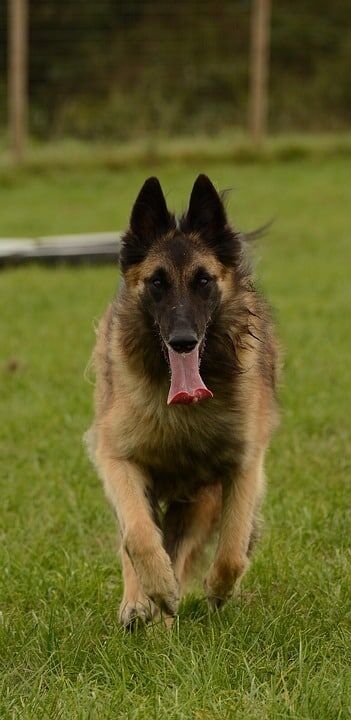
Discover the Heartwarming Traits of Belgian Tervuren Dogs Today!
When it comes to choosing a dog breed that is not only intelligent but also incredibly loyal and affectionate, the Belgian Tervuren stands out. Known for their striking appearance and vibrant personalities, these dogs are a beloved choice for many families. In this article, we’ll explore the history, traits, grooming needs, training tips, and why Belgian Tervuren dogs may also serve as excellent emotional support animals (ESAs).
A Brief History of the Belgian Tervuren
Originating from Belgium, the Tervuren is one of four varieties of Belgian Shepherds, the others being the Belgian Malinois, Belgian Laekenois, and Belgian Groenendael. The Tervuren was bred in the late 1800s as a herding dog. Their ability to work tirelessly in the field made them invaluable to farmers, leading to their recognition in dog shows and various dog sports. Over the years, they have also been utilized in various roles, including therapy, search and rescue, and police work, thanks to their keen intellect and versatility.
Physical Traits
Belgian Tervurens are medium-sized dogs, averaging between 50–65 pounds. They have a beautiful, long, double coat that requires regular grooming to keep it looking its best. Their striking colors include rich shades of brown and black, which make them visually appealing. These dogs are also agile and powerful, boasting strong muscles that enable them to excel in agility training and other dog sports.
Temperament and Personality Traits
Belgian Tervurens are known for their enthusiastic and loyal nature. They typically have a cheerful disposition and a willingness to please their owners, which makes training a more enjoyable process. However, this breed is also known for being somewhat reserved with strangers, making early socialization crucial.
Key Traits:
- Intelligent: Quick learners who thrive on mental stimulation.
- Affectionate: Form strong bonds with their families.
- Energetic: Require regular exercise to maintain physical and mental well-being.
- Protective: Naturally protective over their loved ones, making them excellent family guardians.
Grooming Needs
Maintaining the beautiful coat of a Belgian Tervuren involves regular grooming. Brush their coat at least once a week to remove loose hair and prevent matting. During heavy shedding seasons (usually spring and fall), more frequent brushing is recommended. Bathe them only when necessary, as excessive bathing can strip their coat of natural oils.
Grooming Tips:
- Utilize a slicker brush or an undercoat rake for effective brushing.
- Monitor their ears for signs of wax buildup and clean them gently as needed.
- Trim their nails regularly to keep their paws healthy.
Health Considerations
While Belgian Tervurens are generally healthy dogs, like all breeds, they are prone to certain health conditions. Responsible breeding practices can mitigate some risks, but potential health issues may include:
- Hip Dysplasia: A genetic condition that can lead to arthritis.
- Progressive Retinal Atrophy (PRA): A degenerative eye disorder that can eventually lead to blindness.
- Elbow Dysplasia: Another joint-related issue that can cause pain and mobility problems.
Having regular veterinary checkups and ensuring a nutritious diet can help maintain their health.
Suitability for Different Households
Belgian Tervurens fit well in active households, whether they are yours or your children’s. They thrive in environments where they have plenty of space to run and play and families willing to engage in training and activities. While they can adapt to apartment living with proper exercise, they are best suited for homes where they have consistent outdoor access.
Tips for Training and Socializing:
- Start Early: Begin socializing and training while they are still puppies to help them become well-adjusted adults.
- Positive Reinforcement: Use treats and affectionate praise to encourage good behavior.
- Variety in Activities: Engage them in different activities, such as obedience training, agility, and canine sports to keep them mentally stimulated and physically active.
Understanding Emotional Support Animals (ESAs)
An emotional support animal (ESA) is a pet specifically designated to provide comfort and support to individuals with emotional or psychological challenges. The bond between a person and their ESA can play a vital role in improving emotional well-being. Unlike service dogs, ESAs do not require specialized training but must provide companionship and unconditional love.
Benefits of Having an ESA:
- Reduced Anxiety: The presence of a Tervuren can provide comfort, helping to alleviate feelings of anxiety in stressful situations.
- Emotional Connection: Simply petting a dog can release oxytocin, a hormone that promotes bonding and reduces stress.
- Routine and Responsibility: Caring for an ESA can create a routine, encouraging individuals to get out of bed and engage with life.
Real-Life Examples
People share countless stories of how their dogs have helped them navigate through tough times. For instance, a woman recovering from depression found immense comfort in her Belgian Tervuren, who would lay by her side during difficult days, encouraging her to go for walks, which improved her mood and overall well-being. Another individual battling post-traumatic stress found that the alertness of their Tervuren was comforting, providing a sense of security and companionship.
Key Information
- Breed: Belgian Tervuren
- Size: 50–65 lbs
- Temperament: Intelligent, affectionate, energetic, and protective.
- Grooming Needs: Weekly brushing, minimal bathing, and regular nail trimming.
- Health Considerations: Prone to hip dysplasia, PRA, and elbow dysplasia.
- Suitability: Best for active families with space to run and play.
How Dogs and Cats Provide Emotional Support
The science behind the emotional and mental benefits of pets is compelling. When people interact with animals, studies have shown that levels of stress hormones drop, while endorphins and oxytocin increase. This biological response leads to feelings of happiness, love, and safety. Pets also encourage physical activity, reduce feelings of loneliness, and provide companionship that can reduce the symptoms of depression and anxiety.
Psychological Benefits:
- Pets offer unconditional love that fosters a sense of belonging and acceptance.
- The responsibility of caring for a pet can empower individuals, improving their self-esteem.
- Their presence can serve as a grounding element during emotional crises.
FAQs about Emotional Support Animals
-
What is an Emotional Support Animal?
An ESA is a pet that provides companionship and therapeutic benefits to individuals experiencing emotional or psychological challenges. -
Do ESAs require special training?
No, unlike service dogs, ESAs do not require specialized training but should already be well-behaved. -
Can any animal be an ESA?
While most commonly dogs and cats are designated as ESAs, other animals can also qualify as long as they provide emotional support. -
How can I get my pet certified as an ESA?
Consulting with a licensed mental health professional and obtaining ESA documentation is necessary. -
Are ESAs allowed in public places?
Unlike service dogs, ESA rights in public places can vary. It’s best to check local regulations.
Conclusion
If you’re contemplating adding a loyal companion to your family, consider the Belgian Tervuren. Their intelligence, affection, and protective nature make them not only excellent pets but also potential ESAs that can offer emotional support. For those looking to designate their pet as an ESA, visit Veripaw.org. Since 2012, Veripaw has been connecting pet owners with licensed mental health professionals, helping you get the necessary ESA documentation, and offering high-quality pet accessories. Make your dog’s or cat’s love count for mental well-being by getting certified today!

