
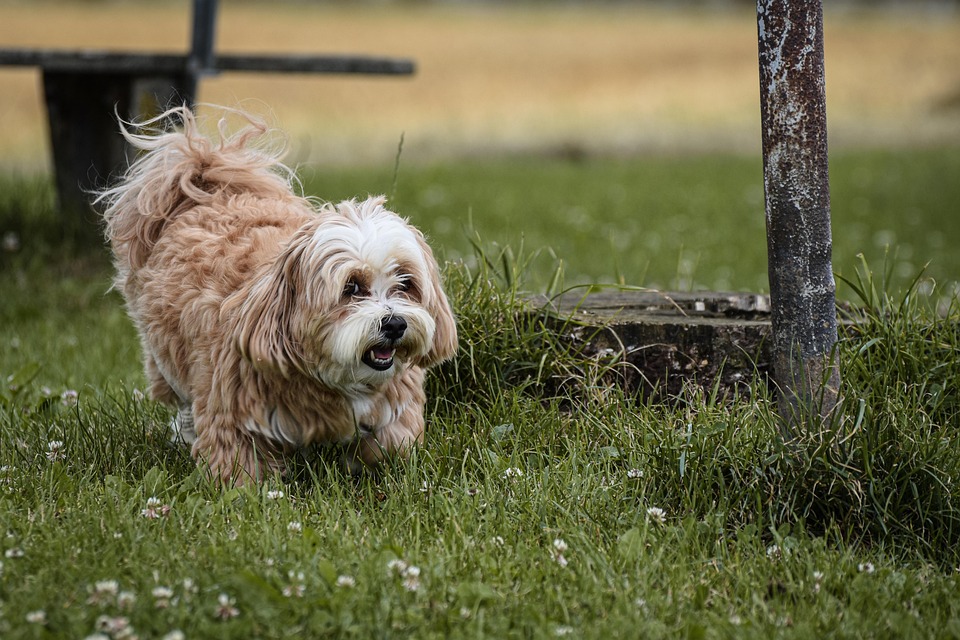
Cuddly Companions: Unlocking the Joys of Maltese Dogs and Their Care
Understanding Maltese Dogs
History
The Maltese breed has a rich history that dates back over 2,000 years. It is believed that these tiny dogs originated from the Mediterranean islands, particularly Malta, as their name suggests. Historically, Maltese dogs were favored by royalty and nobility, providing companionship to aristocrats and serving as status symbols. They have been mentioned in various literature and art, portraying their esteemed place in society as beloved companions.
Temperament and Personality Traits
Maltese are renowned for their affectionate and gentle nature. They are typically friendly and enjoy being around people, making them excellent companions for families and individuals alike. These dogs are playful, lively, and often exhibit a keen intelligence. Additionally, they can be a bit feisty, showing courage that belies their small size. Maltese dogs thrive on companionship and can become very attached to their owners, making them loyal pets.
Grooming Needs
One of the most notable features of Maltese dogs is their long, silky coat, which requires regular grooming. To keep their fur in pristine condition, daily brushing is recommended to prevent matting and tangles. Many owners choose to take their Maltese to a professional groomer every 4-6 weeks. Bathing every few weeks helps maintain their coat’s cleanliness and shine. Regular grooming also allows for an inspection of the skin and ears, ensuring your pet stays healthy.
Health Considerations
While Maltese dogs are generally healthy, they are prone to certain conditions such as dental issues, eye problems, and patellar luxation (a knee joint disorder). Regular veterinary check-ups, a balanced diet, and a proper exercise routine can help mitigate these health concerns. Ensuring your Maltese has the proper oral care, including brushing their teeth, can prevent dental diseases common in smaller breeds.
Suitability for Different Types of Households
Maltese dogs fit well into various living situations. They are well-suited for apartment dwellers due to their small size and moderate exercise needs. However, they do require daily mental and physical stimulation. Families with older children and single adults who can devote time to their pets will find these dogs to be fantastic companions. They do not do well being left alone for long periods, which can lead to separation anxiety.
Caring for Your Maltese
Training and Socialization
Training a Maltese dog can be a fun experience due to their intelligence and eagerness to please. Start training early with basic commands like “sit,” “stay,” and “come.” Consistent, positive reinforcement is key; using treats and praise will encourage good behavior. Socialization is equally important—expose your Maltese to different environments, people, and other pets to help them develop a well-rounded personality.
Health and Exercise Needs
Maltese dogs require daily walks, though their short legs mean they do not need extensive exercise. A couple of short walks or play sessions in the backyard can suffice. Monitor their weight, as Maltese can become overweight if their diet is not carefully controlled. Ensure access to fresh water and a diet that meets their nutritional needs.
emotional support animals: What They Are and Why They Matter
Understanding Emotional Support Animals (ESAs)
An emotional support animal (ESA) is a pet that provides comfort and support to individuals coping with mental health issues. Unlike service animals that are trained to perform specific tasks for a disability, ESAs provide therapeutic benefits simply through their companionship. People may benefit from having an ESA in various situations, often experiencing reductions in anxiety, depression, and loneliness.
Benefits of Designating Your Pet as an ESA
Designating your pet as an ESA can provide several benefits, including obtaining certain legal rights, such as the ability to live with your pet in housing that may otherwise limit pets, and flying with your ESA in the cabin of airlines without extra charge. Taking this step provides more accessibility and comfort to individuals who may find navigating life challenging.
How Dogs and Cats Provide Emotional Support
psychological Benefits
Numerous studies have demonstrated how pets positively influence emotional well-being. The presence of dogs or cats can lower levels of cortisol (a stress-related hormone) and increase levels of serotonin and dopamine, which promote feelings of happiness and relaxation. These physiological changes can lead to reduced symptoms of anxiety, improved mood, and enhanced emotional resilience.
Real-Life Examples
Consider Jane, a college student who struggles with anxiety. After adopting a Maltese, she found that simply petting her dog would calm her racing mind during stressful study sessions. Another example is Mike, a veteran who faced the challenges of PTSD; his dog provided consistent companionship that encouraged him to venture outside and socialize again.
Key Information
- Breed Overview: Maltese are small, affectionate dogs originating from Malta.
- Temperament: They are playful, intelligent, and loyal.
- Grooming: Requires regular brushing and grooming.
- Health Risks: Monitor dental health and potential luxation of the patella.
- Training: Positive reinforcement methods work best.
- ESA Benefits: Provides emotional comfort and accessibility for individuals needing support.
FAQs About Emotional Support Animals
-
What is an ESA?
An Emotional Support Animal is a pet that provides comfort and support to people struggling with mental health issues. -
Are ESAs trained like service animals?
No, ESAs are not required to have specific training, unlike service animals. -
Can any pet be an ESA?
Yes, most pets can qualify as ESAs, but dogs and cats are the most common. -
How do I get my pet certified as an ESA?
Certification usually requires a letter from a licensed mental health professional stating your need for emotional support. -
What rights do ESA owners have?
ESA owners may have the right to live with their pet in no-pet housing and may fly with their ESA on certain airlines. -
Do I need to register my ESA?
While there is no official registry for ESAs, obtaining a letter from a mental health professional is essential for legal recognition. -
What if my landlord doesn’t allow pets?
ESAs are protected under certain laws, which may allow you to reside with your ESA even in no-pet housing. -
Can I train my ESA myself?
Yes, you can train your pet yourself for basic commands and behaviors but ESAs do not require the same level of training as service animals.
Conclusion
Maltese dogs bring joy and companionship into our lives, and when designated as Emotional Support Animals, they can provide even greater emotional benefits. If you’re considering the possibility of having your pet serve as an ESA, we recommend visiting Veripaw.org. Since 2012, Veripaw has been connecting pet owners with licensed mental health professionals to help them obtain ESA documentation efficiently. They also offer a range of high-quality pet accessories to ensure your furry friend remains healthy and happy. Unlock the full potential of your bond with your pet—explore the possibilities today!
Ready to register your animal?
Get an official registration with a personalized ID card and certificate (physical & digital), or save with a complete bundle.