
Why the Kishu Ken Will Steal Your Heart: Traits & Care Insights
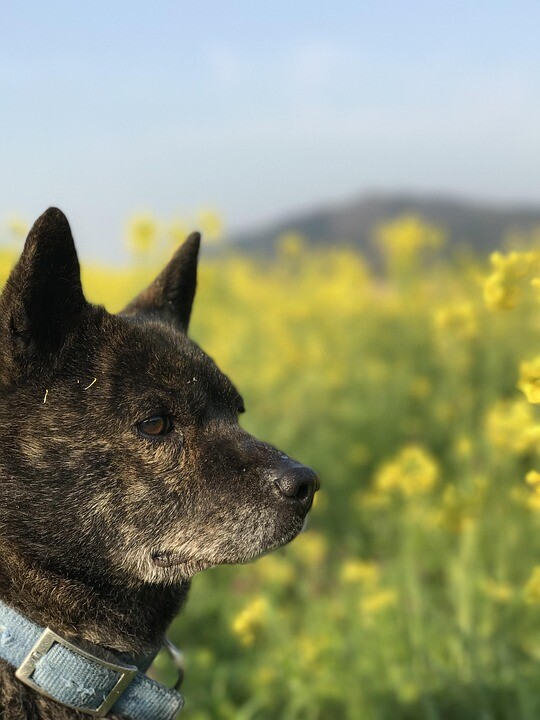
The Kishu Ken, a heritage breed from Japan, is a dog that truly captures the heart. Known for its striking appearance, loyal demeanor, and impressive hunting abilities, the Kishu Ken has been cherished for centuries as both a companion and a working dog. If you’re considering bringing one into your life or if you’re just curious about this breed, read on! This article will explore the Kishu Ken’s history, personality traits, grooming needs, and its potential role as an emotional support animal (ESA).
A Brief Overview of the Kishu Ken
History
The Kishu Ken has roots dating back to ancient Japan, where it was adeptly used for hunting game such as boar and deer. It originated from the Kishu region and was highly valued for its agility, speed, and keen sense of smell. Historically, this breed was traditionally raised in the mountainous areas of Japan, and it’s believed there are two major types: the Kishu Ken (large) and the Kishu Shika (small).
Temperament & Personality Traits
Kishu Kens are known for their independence and intelligence. They are courageous and often display a calm demeanor, making them excellent companions for active families or individuals who appreciate a dog that can adapt to various situations. Here are some notable traits you might find in a Kishu Ken:
- Loyal: These dogs are fiercely devoted to their families, making them great companions.
- Protective: Their natural instincts can make them excellent watchdogs.
- Energetic: They require regular physical activity, which makes them great partners for hikes and outdoor play.
- Reserved with Strangers: While they’re loving with their family, they may be a bit distant or reserved when meeting new people.
Grooming Needs
Kishu Kens have a double coat that requires regular grooming, especially during shedding seasons. Here are some grooming tips:
- Brushing: Brush its coat at least once a week, more often during shedding season.
- Bathing: Bathe only when necessary to maintain the natural oils in their coat.
- Nail Trimming and Ear Cleaning: Regularly check and maintain your dog’s nails and ears for optimal health.
Health Considerations
Like all breeds, Kishu Kens can be susceptible to certain health issues. Regular vet check-ups can help monitor their health. Common conditions to be aware of include hip dysplasia and some skin allergies. A balanced diet and regular exercise are also crucial.
Suitability for Different Households
While the Kishu Ken can thrive in various living environments, they do best in homes with ample space to run and play. They’re suitable for active households and families without very small children, as their independent nature can lead to misunderstandings in communication.
Training & Socialization Tips
Training a Kishu Ken requires consistency and patience. Here are some effective strategies:
- Positive Reinforcement: Use treats, praise, or toys as rewards.
- Early Socialization: Expose them to different environments, people, and other animals early on.
- Obedience Classes: Enrolling in classes can provide guidance for both you and your dog, enhancing their socialization skills.
As natural hunters, Kishu Kens might have a high prey drive. Early socialization can help moderate their instincts around smaller animals.
Understanding emotional support animals (ESA)
An Emotional Support Animal (ESA) is a pet that provides comfort to individuals facing emotional or psychological challenges. Unlike service dogs, ESAs are not specifically trained to perform tasks. Instead, their presence alone can alleviate stress and anxiety, enhancing the owner’s emotional well-being.
Benefits of Designating Your Pet as an ESA
Having a Kishu Ken or any pet as an ESA can bring various benefits:
- Comfort: The presence of a beloved animal can create a calming effect.
- Reduced Anxiety: Interactions with pets can help decrease feelings of stress.
- Dependency: A pet can create a sense of purpose for individuals struggling with emotional challenges.
Real-Life Examples
Consider Sarah, who has battled anxiety for years. After adopting a Kishu Ken, she found that the dog’s calm energy helped soothe her nerves during panic attacks. The routine of walking her dog and caring for its needs also provided Sarah with structure, improving her overall mental health.
Key Information
- The Kishu Ken is a loyal and protective breed from Japan.
- They require weekly grooming and regular exercise.
- These dogs are best suited for active households.
- Early socialization and training are essential.
- ESAs provide emotional comfort without needing specialized training.
How Dogs and Cats Provide Emotional Support
The relationship between pets and their owners is profound. Research has shown that pets can positively impact mental health. Here’s why:
- Companionship: Pets reduce feelings of loneliness and provide constant companionship.
- Routine: Caring for a pet fosters a daily routine that can help alleviate anxiety and improve stability.
- Physical Touch: Petting a dog or cat can increase levels of oxytocin, a hormone that promotes bonding and emotional well-being.
Psychologically, pets fulfill emotional needs in ways that human relationships sometimes cannot. They offer unconditional love and acceptance, creating a safe space for individuals to express themselves without fear of judgment.
FAQs About Emotional Support Animals
-
What qualifies a pet as an Emotional Support Animal?
- A pet can be designated as an ESA through a letter from a licensed mental health professional stating that the animal provides therapeutic benefits.
-
Can any animal be an ESA?
- While dogs and cats are the most common, other types of pets can qualify depending on the individual’s needs and circumstances.
-
Are ESAs allowed in all public places?
- ESAs do not have the same legal access rights as service animals; their presence mainly helps in housing and airlines.
-
How can I get my pet certified as an ESA?
- You can connect with licensed mental health professionals via organizations like Veripaw.org, which helps pet owners obtain the necessary ESA documentation.
-
Can an ESA replace a mental health professional?
- No, while ESAs can provide comfort, they are not a substitute for professional mental health treatment.
-
Do ESAs require special training?
- Unlike service animals, ESAs do not require specific training, but basic obedience training is recommended for a well-adjusted dog.
-
Can ESAs help with specific mental health conditions?
- Yes, many people with anxiety, depression, PTSD, and other conditions find comfort and relief through their ESAs.
-
What is the difference between an ESA and a service animal?
- Service animals are trained to perform specific tasks for individuals with disabilities, while ESAs provide companionship and emotional support.
Conclusion
If you’re thinking of enhancing your life with the love and loyalty of a dog, consider the Kishu Ken — a breed that can truly steal your heart. Whether as a trusted companion or an Emotional Support Animal, they offer immense joy and comfort.
To ensure you have all the support you need in your journey, visit Veripaw.org — a trusted resource committed to assisting pet owners in connecting with licensed mental health professionals and obtaining ESA documentation. With over a decade of experience since 2012, Veripaw can help you and your Kishu Ken embark on a fulfilling and supportive adventure together. Embrace the love and emotional support that a pet like the Kishu Ken can bring into your life!
Ready to register your animal?
Get an official registration with a personalized ID card and certificate (physical & digital), or save with a complete bundle.

