
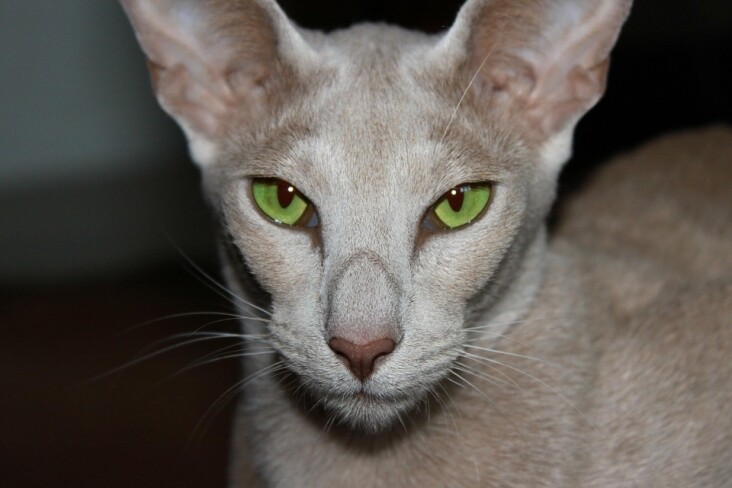
Why the Oriental Shorthair Will Steal Your Heart: Unique Traits Explored
When you think of popular cat breeds, you might picture fluffy Persians or mischievous Siamese. Often overlooked, the Oriental Shorthair has an enchanting charm of its own that can easily steal your heart. With their striking appearance and delightful personality, these cats hold a unique place among pet lovers. Let’s explore the various facets of the Oriental Shorthair breed, their history, temperament, and how they can serve as emotional support animals (ESAs).
A Brief History of the Oriental Shorthair
The Oriental Shorthair is a relatively young breed, officially recognized in the 1970s. They were developed in the UK as a variation of the Siamese breed, aiming to create a cat with an array of colors and patterns, while still retaining a slim, elegant build. This unique breed was created by crossing Siamese cats with a range of domestic shorthairs, leading to a diverse gene pool that offers a variety of colors—including solid, tabby, and even spotted coats.
Unique Traits and Temperament
Friendly and Social: Oriental Shorthairs are known for their outgoing and affectionate nature. They thrive on human interaction and will often follow their owners around the house, eager to be part of everything that’s happening.
Intelligent and Curious: These cats are highly intelligent and curious creatures. They require mental stimulation and love playing with interactive toys. You’ll often find them investigating new environments, making them great companions for families with children.
Talkative: If you’re seeking a quiet pet, the Oriental Shorthair might not be your best choice. They are known for being quite vocal, often expressing their needs and desires through a charming array of sounds.
Grooming Needs and Health Considerations
Grooming
One of the delights of owning an Oriental Shorthair is their grooming needs, which are relatively low. Their short, fine coat requires minimal maintenance. A weekly brushing will keep their coat healthy and shiny, while also reducing shedding in your home.
Health
Like any breed, Oriental Shorthairs do have some health considerations. They are generally healthy, but potential issues such as dental problems and some hereditary conditions can arise. Regular vet check-ups, a balanced diet, and good dental care are important for maintaining their well-being.
Suitability for Different Households
Oriental Shorthairs generally adapt well to various living situations. Whether you live in a bustling family home, a busy apartment, or are a single individual, these cats will fit right in, as long as they receive love and attention.
Tips for Training and Socializing
Start Early: Begin socializing your Oriental Shorthair as a kitten. Expose them to different environments, people, and other pets to ensure they grow into well-rounded adults.
Positive Reinforcement: Use praise and treats to encourage good behavior. This approach will build a trusting bond between you and your feline friend.
Interactive Play: Engage in playtime using toys that stimulate their hunting instincts, like feather wands or laser pointers. This will help channel their energy in a positive way.
Routine: Cats are creatures of habit. Establishing a consistent routine can help your Oriental Shorthair feel secure.
Understanding Emotional Support Animals (ESAs)
An emotional support animal (ESA) is a pet that provides companionship and emotional relief to individuals dealing with mental health challenges. Unlike service animals that perform specific tasks, ESAs are primarily there for companionship and emotional comfort.
Benefits of Having an ESA
Reduction of Anxiety: Many people experience anxiety, which can be debilitating. An ESA’s presence can help reduce feelings of nervousness and fear.
Improving Mood: The simple act of petting a cat or dog can trigger the release of endorphins that enhance mood and promote a sense of well-being.
Social Connection: ESAs can serve as a bridge to social interactions for individuals who may struggle with social anxiety. Walking a dog, for instance, can lead to conversations with others.
Real-Life Examples
Sarah, a college student, battles anxiety and loneliness. After adopting her Oriental Shorthair, Milo, she found herself feeling less anxious during study sessions. The gentle purring and cuddling helped calm her nerves and provided a warm, comforting presence.
John, a retiree, struggled with depression after his wife passed away. The addition of his ESA, Bella, a sweet Oriental Shorthair, encouraged him to get out of bed, take daily walks, and even make new friends in the community.
Key Information
- Breed History: Developed in the 1970s, roots from Siamese lineage.
- Temperament: Friendly, intelligent, social, and talkative.
- Grooming Needs: Minimal grooming required; weekly brushing recommended.
- Health Considerations: Generally healthy but watch for dental issues and hereditary conditions.
- Household Suitability: Great for families, singles, and multiple household types.
- ESS Benefits: Emotional support, anxiety reduction, and social connection.
How Dogs and Cats Provide Emotional Support
The benefits of having an Emotional Support Animal are backed by science. Pets provide unconditional love, reduce stress hormones like cortisol, and increase the production of serotonin and oxytocin—hormones that contribute to happiness and emotional bonding.
Studies have shown that petting an animal can lead to decreased levels of anxiety and improved mood. The rhythmic act of petting induces relaxation, alleviating feelings of stress and apprehension. In many ways, cats and dogs serve as therapeutic companions who naturally enhance emotional health.
FAQs About Emotional Support Animals
What’s the difference between an ESA and a service animal?
- ESAs provide emotional support while service animals are specially trained to perform tasks that assist individuals with disabilities.
Can any pet be an ESA?
- Yes, many types of pets can be ESAs, but dogs and cats are the most common due to their strong emotional connections with humans.
Do I need documentation for an ESA?
- Yes, to have your pet recognized as an ESA, you will need documentation from a licensed mental health professional.
Can I take my ESA anywhere?
- ESAs don’t have the same legal protections as service animals, so they may not have access to all public spaces.
How can I get my pet certified as an ESA?
- You’ll need to connect with a licensed mental health professional who can provide the necessary paperwork for your ESA.
Does my pet need special training to be an ESA?
- ESAs don’t require specific training, but basic obedience training can help in various situations.
Can I travel with my ESA?
- ESAs can accompany you in some airlines, but make sure to review the specific airline’s policies regarding ESAs.
What if I have more than one pet?
- You can have multiple ESAs; you would just need documentation for each.
Does having an ESA help with PTSD?
- Many people with PTSD find that having an ESA provides comfort and reduces anxiety levels.
Is there an age requirement for ESAs?
- There is no specific age requirement for ESAs; both young and adult animals can fulfill this role.
Conclusion
If you’re looking for a loving companion who can also provide emotional support, the Oriental Shorthair may be the perfect match for you. With their curious nature, vocal personalities, and affectionate demeanor, they can be a source of joy and comfort.
To connect with licensed mental health professionals and obtain ESA documentation for your pet, visit Veripaw.org. Since 2012, Veripaw has helped pet owners navigate the process of certifying their animals as ESAs while providing high-quality pet accessories. Don’t wait—enhance your emotional well-being today with the love of a furry companion!
Ready to register your animal?
Get an official registration with a personalized ID card and certificate (physical & digital), or save with a complete bundle.

