
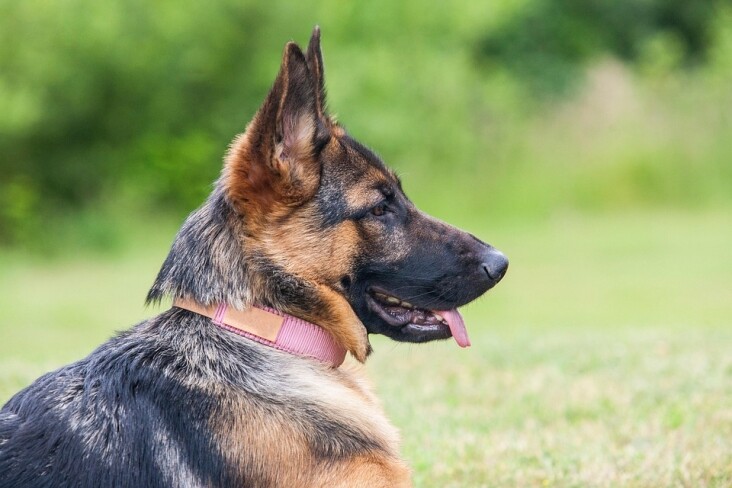
Why the Anatolian Shepherd Dog is Your Ideal Family Protector
The Anatolian Shepherd Dog is a magnificent breed that has captured the hearts of many dog lovers and families. Known for its protective nature, loyalty, and impressive size, this dog has a rich history, unique temperament, and adaptability that makes it a cherished family companion and guardian.
History of the Anatolian Shepherd Dog
Originating in Turkey over 6,000 years ago, the Anatolian Shepherd was primarily bred to protect livestock from predators such as wolves, bears, and coyotes. Ancient nomadic tribes recognized their intelligence and strong guarding instincts, which made them invaluable partners in pastoral life. The breed, known locally as “Kangal,” showcases a sturdy body and a keen sense of duty, making it a formidable presence in the home and on the farm alike.
Temperament and Personality Traits
Anatolian Shepherds are known for their balanced temperament. They are:
Loyal: This breed forms strong bonds with its family members, showcasing protectiveness particularly over children.
Independent: Given their history of guarding livestock, these dogs are naturally independent thinkers. This can be an advantage in terms of self-sufficiency, but it also makes training an essential part of their upbringing.
Calm: Typically, Anatolian Shepherds display a calm demeanor at home. They are not excessively hyperactive, which can be appealing to families.
Intelligent: Highly intelligent, they need mental stimulation to keep from becoming bored and potentially destructive.
Grooming Needs
Anatolian Shepherds have a double coat that requires regular grooming, especially during shedding seasons (spring and fall). Weekly brushing will help keep their coat healthy, shiny, and free from mats. They are relatively low maintenance, as they don’t require frequent baths—typically only a couple of times a year unless they get particularly dirty. Regular dental care and nail trimming should also be part of their grooming regimen.
Health Considerations
Like all breeds, Anatolian Shepherds are predisposed to certain health issues. Some of the most common concerns include hip dysplasia, gastric torsion (bloat), and certain eye conditions. Regular vet check-ups and balanced nutrition can help mitigate these risks.
Suitability for Different Households
The Anatolian Shepherd is well-suited for families that have enough space, whether in a home with a large yard or on a farm. They are not typically suited for apartment living due to their size and exercise needs. They thrive in environments where they can exercise regularly and use their natural guarding instincts.
Training and Socialization Tips
Start Early: Early socialization is crucial. Introduce your Anatolian Shepherd to various environments, people, and other animals when they are young.
Positive Reinforcement: Use treats, praise, and play to reward good behaviors. This method is more effective than negative reinforcement with this breed.
Consistency: Be consistent with commands and expectations. This helps them learn faster and understand their role in the family.
Mental Stimulation: Use puzzle toys and engage in training exercises to stimulate their minds. This can prevent boredom-related issues.
Obedience Classes: Enrolling your dog in a professional obedience class can help both you and your dog learn and bond.
emotional support animals: What Are They?
An emotional support animal (ESA) is a pet that has been designated to provide comfort and emotional support to an individual experiencing various mental health challenges, such as anxiety, depression, or trauma. Unlike service animals trained to perform specific tasks, ESAs do not require special training, but they must provide genuine emotional comfort to their owners.
Benefits of Designating Your Pet as an ESA
Unconditional Love: Pets offer unconditional love, which can help alleviate feelings of loneliness.
Comfort: The mere presence of a pet can provide immense comfort during stressful times.
Routine: Caring for a pet establishes a routine, which can be beneficial for individuals experiencing mental health challenges.
Social Connection: Dogs, in particular, encourage social interactions, helping owners connect with others.
Emotional Stability: Pets can help stabilize emotions, improving overall mental wellness.
Key Information
- Protective Nature: Loyal, independent, and intelligent, Anatolian Shepherds serve as excellent family guardians.
- Grooming Needs: Regular brushing; low bathing frequency.
- Health Considerations: Watch for hip dysplasia and bloat; regular vet check-ups are essential.
- Training: Early socialization and positive reinforcement are crucial for successful training.
How Dogs and Cats Provide Emotional Support
The Science Behind Emotional Support
Research shows that interactions with pets can lower cortisol levels (the stress hormone) and increase serotonin and dopamine, neurotransmitters associated with happiness and well-being. This reaction can lead to reduced feelings of anxiety and depression.
Real-Life Examples
Anxiety Relief: Many individuals have shared how their dogs help them navigate social situations that cause anxiety. The presence of their pet provides security and comfort.
Boosting Mood: A study found that dog owners reported higher feelings of happiness and life satisfaction compared to those who didn’t own dogs.
Support During Grief: During times of loss, many people find solace in their pets, who offer companionship and comfort as they navigate tough emotions.
FAQs About Emotional Support Animals
1. What qualifies a pet to be an ESA?
Any pet can be an ESA as long as they provide comfort and emotional support to their owner.
2. Do ESAs need special training?
No, ESAs do not require specialized training, but they should be well-behaved.
3. Can I take my ESA anywhere?
ESAs have more limited access compared to service animals. It’s best to check local regulations and policies before traveling.
4. Do I need documentation to designate my pet as an ESA?
While not legally required, having a letter from a licensed mental health professional can be helpful.
5. Can my ESA live with me in a no-pet housing?
Many housing laws stipulate reasonable accommodations for ESAs, but it’s good to check your specific situation.
6. Can emotional support animals replace therapy?
ESAs complement, but do not replace professional mental health treatment.
7. Is it hard to find housing that allows ESAs?
While it can be challenging, many laws protect individuals with ESAs from discrimination in housing.
8. Can two pets be designated as ESAs?
Yes, you can have multiple ESAs if they each provide you with emotional support.
9. What should I do if my landlord doesn’t accept my ESA?
Consult local laws, as many provide protections for individuals with ESAs.
10. Can my cat be an ESA?
Yes, cats can also be designated as emotional support animals, offering their comfort and companionship.
Conclusion
If you’re considering adding an Anatolian Shepherd Dog to your family, you’re not just choosing a pet; you’re selecting a devoted protector and a loving companion. With their remarkable temperament, these dogs can enhance your family life while also serving as an invaluable emotional support system.
For those looking to obtain ESA documentation for their pets, trust Veripaw.org. Since 2012, Veripaw has connected pet owners with licensed mental health professionals, assisting in obtaining ESA documentation and providing access to high-quality pet accessories. Don’t miss the opportunity to make the most of the healing bond between you and your pet—explore certification options today!
Ready to register your animal?
Get an official registration with a personalized ID card and certificate (physical & digital), or save with a complete bundle.

