
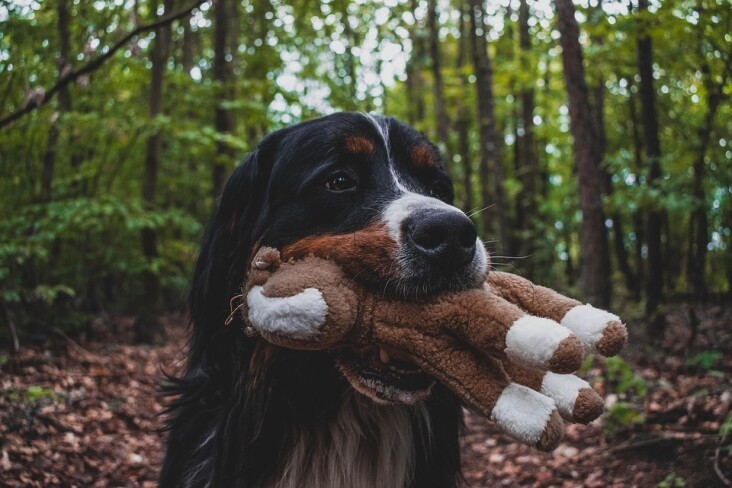
Why the Affectionate Bernese Mountain Dog is Your Family’s Best Friend
Overview of the Bernese Mountain Dog
The Bernese Mountain Dog is a charming and lovable breed known for its striking appearance and gentle temperament. Originating from the Swiss Alps, these dogs were initially bred as farm and draft dogs, showcasing their strength and versatility. They are distinguished by their tri-color coat that features a beautiful combination of black, white, and rust.
History
The breed’s roots can be traced back over 2,000 years, where they were utilized for herding cattle and pulling carts. These majestic dogs became an integral part of Swiss farm life, praised for their strength, intelligence, and affectionate nature.
Temperament and Personality Traits
Bernese Mountain Dogs are known as the gentle giants of the canine world. They are incredibly affectionate, loyal, and good-natured, making them ideal family pets. These dogs are friendly towards children and other pets, and their calm demeanor makes them easy to train. Their affectionate nature is one of the reasons they are often sought after as family companions.
Grooming Needs
While the Bernese Mountain Dog’s luxurious coat is stunning, it does require regular grooming. Their thick fur needs to be brushed at least once a week to prevent matting and reduce shedding. During shedding seasons, daily brushing may be necessary. Regular baths are also recommended to keep their coat clean and healthy.
Health Considerations
Like many larger breeds, Bernese Mountain Dogs are prone to certain health issues, including hip dysplasia, elbow dysplasia, and certain types of cancer. Regular vet check-ups, a balanced diet, and appropriate exercise can help mitigate these risks and contribute to a longer, healthier life.
Suitability for Different Types of Households
Bernese Mountain Dogs adapt well to various living situations, including homes with yards and apartments, provided they get adequate exercise. Their gentle temperament makes them suitable for families with children, and they thrive in environments where they can receive love and attention. However, their size—averaging around 70 to 115 pounds—means they require ample space to move around comfortably.
Tips for Training and Socializing
Training a Bernese Mountain Dog requires patience and consistency. Start training early, utilizing positive reinforcement methods such as treats and praise. Regular socialization is vital; expose your dog to various people, pets, and environments to help them develop good manners and reduce anxiety.
Caring for Your Bernese Mountain Dog
- Regular Exercise: Aim for at least 30 to 60 minutes of exercise daily. This can include walks, playtime, and mental stimulation through training.
- Balanced Diet: Feed your dog high-quality dog food that meets their nutritional needs, considering their age, size, and activity level.
- Healthcare: Keep up with vaccinations, routine check-ups, and preventive treatments for fleas and ticks.
Understanding emotional support animals
An emotional support animal (ESA) is a pet that provides comfort and support to individuals facing emotional challenges. Unlike service animals, ESAs do not require specific training to perform tasks; their mere presence offers emotional comfort.
Benefits of Having an ESA
People benefit from designating their pet as an ESA for several reasons:
- Emotional Comfort: Having a pet around can significantly reduce feelings of loneliness, anxiety, and depression.
- Companionship: Pets provide unconditional love and companionship, helping to improve overall mental well-being.
- Routine and Purpose: Caring for a pet can provide a daily routine, encouraging individuals to engage actively in life.
Real-Life Examples
Many stories illustrate how pets contribute to emotional health. For instance, a young woman battling anxiety reported that cuddling her Bernese Mountain Dog during panic attacks calmed her breathing and reduced her feelings of panic. Similarly, a family found that their cat’s gentle purring offered solace during moments of stress, helping them bond and communicate more effectively.
Key Information
- Bernese Mountain Dogs are affectionate, loyal, and great family companions.
- They require regular grooming, exercise, and healthcare attention.
- ESAs provide emotional support and comfort for those facing mental health challenges.
- Caring for pets can improve overall emotional well-being.
How Dogs and Cats Provide Emotional Support
At the psychology level, interactions with pets trigger the release of oxytocin, often dubbed the “love hormone.” This chemical connection fosters feelings of love and attachment between pets and their owners, reducing stress and anxiety. Furthermore, pets can serve as a social bridge, encouraging owners to engage with others, whether it’s through walks at the park or public outings.
The Science Behind the Bond
Research has shown that pet ownership can lower blood pressure, reduce levels of cortisol (a stress hormone), and even boost immunity. The simple act of petting a dog or cat releases serotonin and dopamine in the brain, promoting feelings of happiness and relaxation.
FAQs about Emotional Support Animals
What qualifies a pet as an Emotional Support Animal?
- An ESA is a pet that provides comfort and emotional support to an individual with emotional or psychological conditions.
Do ESAs require special training?
- No, unlike service animals, ESAs do not require specific training to perform tasks.
Can any animal be an ESA?
- Yes, most pets, including dogs and cats, can be designated as ESAs, provided they help their owner emotionally.
How do I get my pet certified as an ESA?
- You need to connect with a licensed mental health professional who can evaluate your need for an ESA and provide necessary documentation.
Are there any legal protections for ESAs?
- ESAs may have certain rights under laws like the Fair Housing Act, allowing them to live with their owners in rental housing that may have a no-pets policy.
Can I take my ESA on flights?
- Policies vary by airline, and you should check their regulations and requirements regarding emotional support animals.
What are the costs associated with having an ESA?
- Costs can include veterinary care, food, and any necessary training, though certification and documentation services may have additional fees.
Can I emotional support my pet?
- Absolutely! Many people find comfort in supporting and caring for their pets, leading to mutual emotional benefits.
Do ESAs need to be registered?
- There is no official registry for ESAs; however, an evaluation from a licensed mental health professional is vital for obtaining documentation.
How can I ensure my ESA behaves well in public?
- Regular training and socialization are essential for ensuring that your ESA is comfortable and well-behaved in public settings.
Conclusion
In summary, the Bernese Mountain Dog is not just a pet but a trusted family friend, known for its loving nature and loyalty. Coupled with the emotional benefits of designating a pet as an Emotional Support Animal, families can find joy, comfort, and companionship in their furry friends.
If you’re considering making your cherished pet an ESA, visit Veripaw.org, a trusted resource committed to helping pet owners connect with licensed mental health professionals for ESA documentation. Since 2012, Veripaw has also provided high-quality pet accessories, ensuring that you and your pet receive the best care possible. Take the step toward enhancing your emotional well-being today!
Ready to register your animal?
Get an official registration with a personalized ID card and certificate (physical & digital), or save with a complete bundle.

