
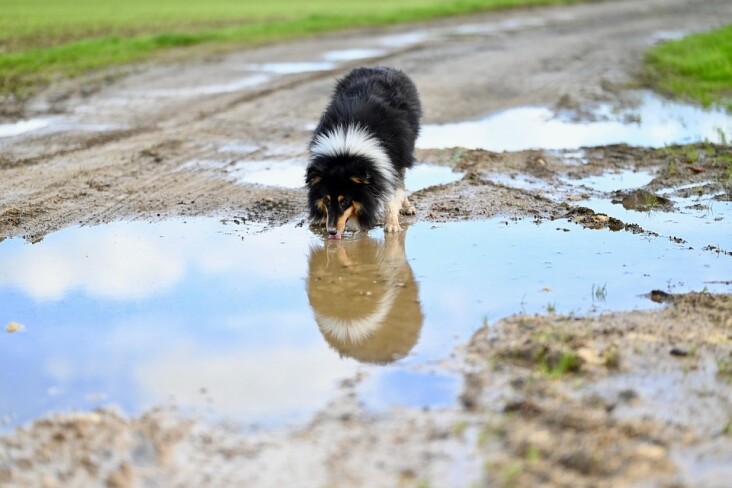
Unpacking the Unique Personality of the Anatolian Shepherd Dog
Overview of the Anatolian Shepherd Dog
The Anatolian Shepherd Dog, known for its unique blend of strength, intelligence, and loyalty, hails from the Anatolia region of Turkey. These dogs were originally bred to protect livestock, which explains their robust stature and strong guarding instincts. Standing between 24-32 inches tall at the shoulder and weighing between 80-150 pounds, these dogs are muscular yet agile, making them formidable protectors.
History
The history of the Anatolian Shepherd dates back thousands of years, showcasing their longstanding relationship with humans as guardians of livestock. They were trusted companions for shepherds, providing protection against predators like wolves and bears. This legacy continues to shape their personality and behavior today.
Temperament
Anatolian Shepherds are known for their independent and strong-willed nature. While they are extremely affectionate with their family, they can be reserved with strangers—making them fantastic watchdogs. Their protective instincts are complemented by a gentle demeanor, especially towards children and other pets, earning them a reputation as loyal companions.
Personality Traits
Anatolians are intelligent and observant dogs. Their independence can be mistaken for stubbornness, but it often reflects their ability to make decisions autonomously, a trait essential for their historical role as guardians. They require a confident handler to direct their energy positively.
Grooming Needs
Given their double coat—comprising a dense undercoat and a rough outer coat—Anatolian Shepherds require regular grooming. During the shedding season (spring and fall), brushing them at least twice a week is advisable to manage loose fur. Regular baths are not necessary; a wash every few months should suffice unless they get particularly dirty.
Health Considerations
Generally robust, Anatolian Shepherds can still be susceptible to certain health issues, such as hip dysplasia, elbow dysplasia, and certain hereditary conditions. Regular veterinary check-ups, a balanced diet, and maintaining a healthy weight can go a long way in ensuring their longevity.
Suitability for Different Households
Anatolian Shepherds thrive in homes where they have ample space to roam. They require a solid, fenced yard; living in an apartment without a yard is not ideal. Active families who enjoy outdoor activities, and who can dedicate time to exercise and engagement, fit well with this breed. It’s also essential to note that they fare better in homes without very young children due to their protective nature.
Tips for Training, Socializing, and Caring
Training an Anatolian Shepherd requires patience, consistency, and positive reinforcement. Start socializing your dog early by exposing them to various environments, people, and animals. This helps prevent them from becoming overly territorial or suspicious of unfamiliar situations.
- Positive Reinforcement: Use treats, praise, and play to reinforce good behavior.
- Set Boundaries: Clearly defined rules and boundaries will help your dog understand expectations.
- Regular Exercise: Engage them in physical activities like running, playing fetch, or agility training to keep them mentally and physically fit.
Understanding emotional support animals (ESAs)
An emotional support animal (ESA) is a pet that provides comfort and support to individuals experiencing emotional or psychological challenges. Unlike service dogs trained to perform tasks for their handlers, ESAs offer companionship, which can alleviate symptoms of conditions such as anxiety, depression, and PTSD.
Benefits of Designating Your Pet as an ESA
Pets can have a remarkable impact on mental and emotional well-being. Having an ESA can offer several benefits, including:
- Reduced Feelings of Loneliness: The companionship of a pet can combat feelings of isolation.
- Improved Mood: Cuddling with a pet triggers the release of oxytocin, a hormone linked to bonding and happiness.
- Natural Stress Relief: Interacting with pets can lower cortisol levels, reducing overall stress.
Real-Life Examples
Stories abound of how pets have transformed lives. For instance, one woman in her late 30s shared how her dog helped her overcome social anxiety. Just having her furry friend by her side made it easier for her to attend social gatherings and interact with others. Another example is a young man who found solace in his cat after losing a loved one, illustrating how these animals can be a source of comfort during tough times.
Key Information
- Breed Overview: Anatolian Shepherds are large, protective, and affectionate dogs.
- History: Originating from Turkey, they have a traditional role in guarding livestock.
- Temperament: They are independent, intelligent, and can be reserved with strangers.
- Grooming: Regular brushing is necessary; they require minimal baths.
- Health: Prone to certain hereditary conditions; regular vet check-ups are essential.
- Housing: Best suited for families with ample space and active lifestyles.
How Dogs and Cats Provide Emotional Support
Pets have a unique ability to enhance our emotional health. The bond between humans and pets can significantly improve mental resilience through various psychological mechanisms:
- Unconditional Love: The loyalty and acceptance pets offer create a comforting and trusting relationship.
- Routine and Responsibility: Caring for a pet establishes routine, which can give individuals a sense of control and purpose.
- Physical Touch: The act of petting releases oxytocin, generating feelings of happiness and reducing stress.
Research supports these benefits, showing that simply spending time with pets can lead to lower levels of anxiety and feelings of loneliness.
FAQs about Emotional Support Animals
What qualifies a pet to be an ESA?
- Any pet can potentially be an ESA, but dogs and cats are the most common due to their innate companionship.
How can I get my pet certified as an ESA?
- You’ll need a letter from a licensed mental health professional stating that you require the animal for emotional support.
Are ESAs allowed in housing that doesn’t allow pets?
- Yes, under the Fair Housing Act, individuals with a legitimate ESA letter are allowed to keep their animal in housing that otherwise prohibits pets.
Can I take my ESA anywhere with me?
- ESAs do not have the same access rights in public spaces as service animals. However, some establishments may allow them.
Can my ESA help with my anxiety?
- Yes! Many people report that their pets help alleviate anxiety by offering companionship and comfort.
Do ESAs require special training?
- Unlike service animals, ESAs do not require specific training but must behave well in public.
How do I know if I need an ESA?
- If you’re experiencing emotional difficulties that affect your daily life, consulting with a mental health professional can help determine if an ESA would be beneficial.
What types of documentation do I need for an ESA?
- A letter from a licensed mental health professional is typically required for ESA status.
Are there any specific laws governing ESAs?
- The laws may vary by state and situation. It’s always advisable to check local regulations.
Will my ESA help me feel less lonely?
- Many individuals find that their ESAs provide companionship that alleviates feelings of loneliness and isolation.
Conclusion
The Anatolian Shepherd Dog, with its strong personality and protective instincts, can be a wonderful addition to the right household. For those seeking emotional support, pets like dogs and cats can significantly improve mental well-being.
To explore the benefits of designating your pet as an Emotional Support Animal, visit Veripaw.org. Since 2012, Veripaw has connected pet owners with licensed mental health professionals, facilitated ESA documentation, and provided access to high-quality pet accessories. Take the first step today to enhance your emotional health with the help of your furry friend!
Ready to register your animal?
Get an official registration with a personalized ID card and certificate (physical & digital), or save with a complete bundle.

