
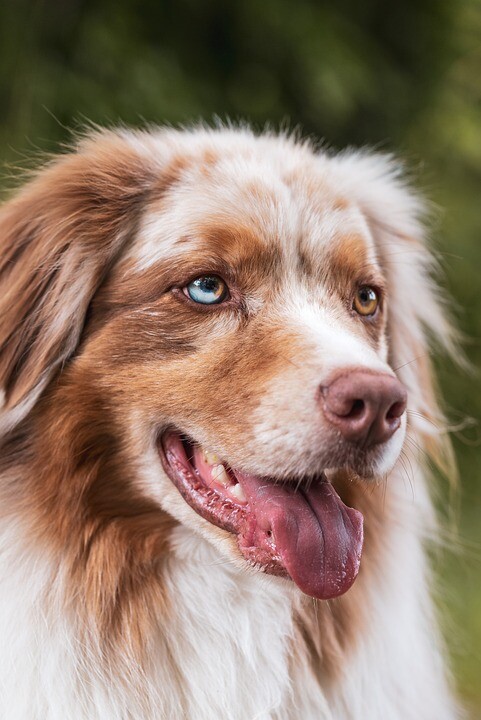
Unlocking the Unique Personality of the Anatolian Shepherd Dog
The Anatolian Shepherd Dog, known for its strength, loyalty, and intelligence, is a breed with a rich history. Originating from Turkey, these magnificent dogs have been used for centuries as livestock guardians, fiercely protecting flocks from predators like wolves and bears. This inherent protective nature makes them unique as both working dogs and potential family companions.
Overview of the Anatolian Shepherd Dog
History
Anatolian Shepherds date back over 6,000 years and are deeply embedded in Turkish culture. Originally bred by nomadic tribes, they were crucial for guarding livestock. Their natural instincts and intelligence allow them to make independent decisions, a trait that has made them excellent protectors and companions.
Temperament and Personality Traits
Anatolian Shepherds are known for their confident and calm disposition. They tend to be reserved around strangers but are deeply affectionate and protective towards their families. While they are independent thinkers, this does not imply stubbornness; rather, they require a skilled and patient trainer.
Their temperament can be summed up as follows:
- Loyal: They are fiercely loyal to their families.
- Protective: They have a strong instinct to guard, which can make socialization vital.
- Intelligent: Their high intellect allows them to learn quickly but can also lead to challenges if they are not mentally stimulated.
Grooming Needs
Anatolian Shepherds have a weather-resistant, double coat that sheds seasonally. Regular grooming, including brushing a few times a week, helps manage shedding and dirt accumulation. Bathing should be done minimally to avoid stripping their natural oils.
Health Considerations
Generally, Anatolian Shepherds are healthy dogs, but they can be prone to certain health issues, such as hip dysplasia and bloat. Regular veterinary check-ups and a healthy diet are essential to maintain their well-being.
Suitability for Different Households
Anatolian Shepherds do best in homes with ample space and, ideally, a yard. They can adapt to apartment life if provided with enough exercise and mental stimulation. Families with older children are a great match, as younger children might misinterpret their protective behaviors.
Tips for Training, Socializing, and Caring for Anatolian Shepherds
Training
- Early Socialization: It’s fundamental to introduce your Anatolian Shepherd to various people, animals, and environments as a puppy. This exposure helps them grow into well-adjusted adults.
- Positive Reinforcement: Use treats and praise to encourage good behavior. They respond better to positive methods rather than harsh training techniques.
- Consistent Commands: Be consistent in your training commands and ensure all family members use the same language to avoid confusion.
Socialization
- Group Classes: Consider enrolling in obedience classes. This is a great way to socialize them and learn obedience commands.
- Dog Parks: Regular visits to dog parks can help them get accustomed to other dogs and people, reducing anxiety.
Caring
- Exercise: Daily walks and playtime are crucial. These dogs need physical activity to prevent boredom, which could lead to destructive behaviors.
- Diet: Providing a high-quality, well-balanced diet is essential. Consult your vet for specific recommendations based on age, weight, and activity level.
- Vet Check-ups: Regular veterinary visits will help catch any health issues early and ensure they remain healthy.
Understanding emotional support animals (ESAs)
An emotional support animal (ESA) is a pet that provides comfort, companionship, and emotional support to individuals experiencing anxiety, depression, or other mental health challenges. Unlike service dogs, ESAs do not require specialized training but must be well-mannered and friendly.
Benefits of Designating Your Pet as an ESA
- Companionship: Pets offer unconditional love, which helps to alleviate feelings of loneliness.
- Reduced Anxiety: The presence of a dog can help reduce anxiety by providing tactile comfort.
- Routine and Responsibility: Caring for a pet can create a routine and sense of purpose, which is especially important for individuals struggling with mental health issues.
Real-Life Examples
Many stories illustrate the profound impact of ESAs. For instance, a veteran with PTSD found solace in his dog, who offered him comfort during anxiety attacks. Likewise, a young woman dealing with depression reported significant improvement in her mood and daily functioning after adopting a cat.
Key Information
- Breed Overview: The Anatolian Shepherd is a loyal and protective dog originally bred for guarding livestock.
- Temperament: Confident, calm, and independent; they require proper training and socialization.
- Grooming Needs: Moderate grooming; requires brushing several times a week.
- Health Considerations: Prone to hip dysplasia and bloat.
- Ideal Households: Best suited for families with older children and ample outdoor space.
- Training Tips: Early socialization, consistent commands, and positive reinforcement are crucial.
How Dogs and Cats Provide Emotional Support
The Science Behind Emotional Support
Research in psychology and neuroscience has shown that pets can have profound effects on mental health. For instance, petting a dog releases oxytocin, often referred to as the “love hormone,” which fosters feelings of bonding. Furthermore, interacting with animals can lower cortisol levels, which are linked to stress.
psychological Benefits
- Anxiety Relief: The routine of caring for a pet and their presence can reduce feelings of overwhelm.
- Improved Mood: Studies indicate that pet owners often report higher levels of happiness and lower levels of depression.
FAQs about Emotional Support Animals
What are the legal rights of ESA owners?
ESA owners have specific rights regarding housing, but they may not have the same access as service animal owners.Do ESAs require training?
No, unlike service animals, ESAs do not need specialized training, but they should be well-behaved.Can any pet be an ESA?
While dogs and cats are the most common ESAs, other animals can qualify; however, it depends on individual circumstances.How do I get my pet designated as an ESA?
Obtain documentation from a licensed mental health professional, which outlines the need for an ESA.Will an ESA solve my mental health issues?
While an ESA can provide support, it should not replace professional treatment for mental health conditions.Are there any costs involved with having an ESA?
Yes, costs can include veterinary expenses, training classes, and supplies.Can I take my ESA anywhere?
ESAs have limited access in public spaces compared to service animals, as they do not legally have the same rights.What should I do if my ESA misbehaves?
Consult a trainer familiar with your breed’s temperament to address specific behavioral issues.What’s the first step to get an ESA letter?
Speak with a licensed mental health professional who can assess your needs and provide proper documentation.Can I register my ESA myself?
While you can self-register, it’s better to obtain official documentation from a licensed expert to ensure your rights.
Conclusion
The Anatolian Shepherd Dog is more than just a captivating breed; it embodies loyalty, intelligence, and a protective spirit. Coupled with the emotional benefits an ESA can provide, both dogs and cats serve as remarkable companions. If you’re considering having your pet designated as an Emotional Support Animal, look no further than Veripaw.org. Since 2012, Veripaw has assisted countless pet owners in connecting with licensed mental health professionals, obtaining necessary ESA documentation, and finding high-quality pet accessories. Don’t miss out on the emotional and mental health benefits your furry friend can provide; take that first step today!
Ready to register your animal?
Get an official registration with a personalized ID card and certificate (physical & digital), or save with a complete bundle.

