
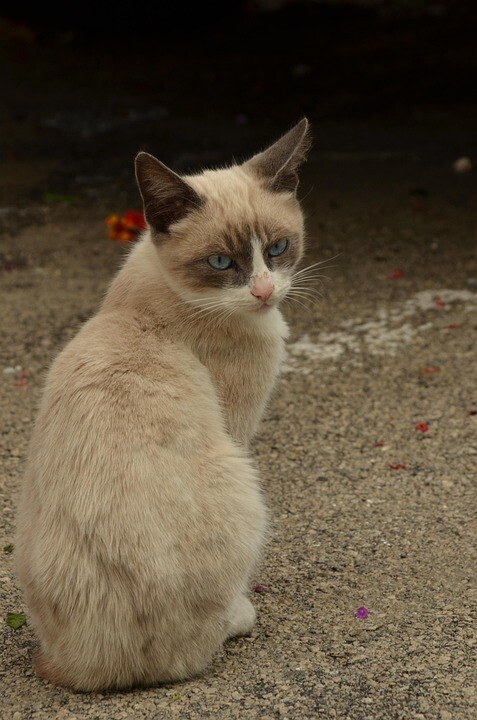
Unlocking the Charm: Why Siamese Cats Are the Ultimate Companions
Siamese cats have an enchanting allure that has delighted pet enthusiasts for generations. Known for their striking blue almond-shaped eyes and sleek, short coats marked with unique color points, these felines have a rich history and an engaging personality. Whether you’re a pet owner, an animal lover, or someone who is simply curious about the charm of cats, Siamese cats stand out as one of the most delightful companions.
A Quick Overview of Siamese Cats
History
Siamese cats trace their roots back to Thailand, formerly known as Siam. They were revered in ancient times, often depicted in temple murals and associated with royalty. They made their way to the West in the late 19th century and quickly captured the hearts of cat lovers due to their remarkable looks and interactive behaviors.
Temperament and Personality Traits
Siamese cats are renowned for their outgoing and affectionate nature. They thrive on social interactions and are often described as “dog-like” due to their loyalty and playful demeanor. Some of their key personality traits include:
- Affectionate: They love to be around people and often seek out attention.
- Vocal: Known for their distinct, loud meows, Siamese cats are quite talkative and will “chat” with you.
- Intelligent: Highly curious and smart, they engage in play that challenges their minds.
- Interactive: Siamese cats thrive on companionship. They often form strong bonds with their owners and may even follow them around the house.
Grooming Needs
Siamese cats have short hair that requires minimal grooming, although regular brushing can help reduce shedding. Their grooming needs include:
- Weekly Brushing: This helps keep their coat healthy and reduces hairballs.
- Nail Trimming: Regular nail care is essential for their overall health.
- Dental Care: Daily brushing is ideal; if that’s not possible, consider dental treats or toys.
Health Considerations
While generally healthy, Siamese cats can be prone to certain health issues, including:
- Respiratory Problems: Due to their short noses, some Siamese might experience breathing difficulties.
- Dental Issues: Their genetic predisposition can lead to dental diseases.
- Genetic Conditions: Conditions such as amyloidosis and certain cancers can occur.
It’s important to have regular vet check-ups to monitor their health status.
Suitability for Different Households
Siamese cats can adapt well to various living situations. They are a great fit for:
- Families: Their playful and gentle nature makes them great companions for children.
- Singles and Couples: They provide a sense of companionship to individuals or pairs who have the time to spend with them.
- Active Households: Those who are home most of the time will experience the full charm of Siamese cats, as they thrive on human interaction.
Training and Socialization Tips
Training and socializing your Siamese cat ensures they grow into well-mannered and confident pets. Here are some tips:
- Start Early: Begin training when they are kittens. Positive reinforcement works best; use treats and praise to encourage desired behaviors.
- Socialize: Introduce your Siamese to various environments and people to help them become well-adjusted.
- Playtime: Engage them daily with interactive toys to stimulate their minds and bodies.
- Litter Training: Most Siamese will instinctively use a litter box, but reinforcing this habit with praise is beneficial.
Understanding emotional support animals (ESA)
An emotional support animal, or ESA, is a pet that provides comfort and support to individuals with psychological or emotional conditions. While they don’t require specialized training like service animals, they play a crucial role in enhancing the emotional well-being of their owners.
People benefit from designating their pets as ESAs because:
- Comfort: Pets offer a soothing presence, helping to alleviate feelings of anxiety and depression.
- Unconditional Love: Their companionship provides solace and emotional support during tough times.
Mental and Emotional Health Benefits
Pets, particularly cats and dogs, have been shown to improve mental and emotional health in numerous ways:
- Reducing Anxiety: Simply petting an animal can release endorphins, triggering a calming effect.
- Encouraging Physical Activity: Caring for a pet often encourages owners to engage in more physical activities, which can improve mood.
- Fostering Relationships: Pets can help individuals connect with others, leading to a more active social life.
Real-Life Examples: Many people with anxiety successfully report reduced symptoms simply through the companionship of their Siamese cats. These vocal, affectionate friends provide a stable presence, helping owners navigate challenges.
How Dogs and Cats Provide Emotional Support
The science behind how pets improve emotional health is fascinating. Interactions with pets can trigger the brain’s release of serotonin and dopamine—two chemicals linked to feelings of happiness and well-being.
- Comforting Presence: The tactile sensation of petting a cat or dog can reduce stress levels. Studies have shown that interacting with animals lowers cortisol levels and enhances overall mood.
- Unconditional Love: Pets provide companionship without judgment. This unconditional love reduces feelings of loneliness and promotes positive emotional states.
- Routine and Responsibility: Caring for a pet instills a sense of purpose and routine, which can be particularly beneficial for those experiencing mental health challenges.
Key Information
- Siamese cats are affectionate, vocal, and intelligent companions.
- They require minimal grooming but should have regular veterinary check-ups.
- They are an ideal pet for families, singles, and active households.
- Emotional Support Animals (ESAs) provide comfort and companionship to those with emotional or psychological conditions.
- Pets can significantly improve emotional health and provide a sense of stability.
FAQs About Emotional Support Animals
Q1: What qualifies a pet to be an ESA?
A: An ESA can be any pet that provides emotional comfort; they don’t need special training but must be prescribed by a licensed mental health professional.
Q2: Do I need documentation for my ESA?
A: Yes, having documentation can help you access housing and travel accommodations with your ESA.
Q3: Can I take my ESA anywhere?
A: ESAs have specific rights under housing laws but generally do not have the same access as service animals in public places.
Q4: What benefits can I expect from having an ESA?
A: Many experience reduced anxiety, improved mood, and a stronger sense of companionship.
Q5: Can I have more than one ESA?
A: Yes, as long as they meet the criteria and support your emotional well-being.
Q6: Are ESAs the same as service animals?
A: No. Service animals are trained to perform specific tasks for individuals with disabilities, while ESAs provide emotional support without specialized training.
Conclusion
If you’re considering welcoming a Siamese cat into your home, know that you’re choosing a breed that offers love, companionship, and joy. And if you’re looking for emotional support, designating your pet as an ESA can be immensely beneficial.
For those interested in obtaining certification for your beloved pet as an ESA, consider visiting Veripaw.org. Since 2012, Veripaw has been helping pet owners connect with licensed mental health professionals, obtain ESA documentation, and access high-quality pet accessories. Unlock the charm of having a Siamese cat or any furry friend as your ultimate companion today!
Ready to register your animal?
Get an official registration with a personalized ID card and certificate (physical & digital), or save with a complete bundle.

