
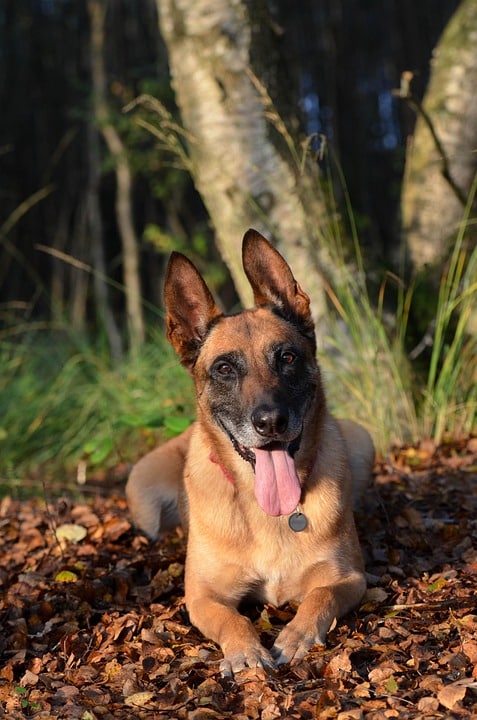
Unleash Loyalty: The Emotional Benefits of Owning a Belgian Malinois
There’s an undeniable bond between humans and their pets, a bond that goes beyond companionship. Among dog breeds, the Belgian Malinois stands out not just for their stunning looks but for their incredible loyalty and emotional support capabilities. This article dives into the world of the Belgian Malinois, exploring its rich history, temperament, grooming needs, and the emotional benefits they bring to their owners.
Overview of the Belgian Malinois
History
The Belgian Malinois has a storied past, hailing from Belgium where it was developed in the late 19th century. Originally bred for herding sheep, the Malinois has evolved into a versatile working dog, often employed in police work, search and rescue operations, and even as service animals. Their intelligence and drive make them ideal for various tasks, and today, they are one of the most sought-after breeds for protection and assistance roles.
Temperament and Personality Traits
The Belgian Malinois is known for its high energy, intelligence, and unwavering loyalty. They are highly trainable and thrive on mental and physical challenges. A Malinois is curious and often seeks out interaction, making them delightful companions for active individuals or families. However, they can also be prone to separation anxiety if left alone for long periods due to their intense bond with humans.
Grooming Needs
Malinois have a short, dense coat that sheds moderately. Regular brushing—at least once a week—is recommended to keep their coat healthy and minimize shedding. They’re relatively low maintenance when it comes to grooming, but regular baths and nail trims are essential to ensure their overall health.
Health Considerations
Belgian Malinois are generally healthy, but they are prone to certain conditions like hip and elbow dysplasia and certain eye diseases. Regular veterinary check-ups, a balanced diet, and ample exercise can help mitigate many health issues.
Suitability for Households
While Belgian Malinois can adapt to various living situations, they thrive best in active households where they can receive plenty of physical and mental stimulation. They aren’t ideal for sedentary lifestyles or first-time dog owners. Families with children can benefit from their playful nature, but supervision is key to prevent overwhelming the dog.
Training, Socializing, and Caring for Your Malinois
Training Tips
- Start Early: Begin training and socialization at a young age.
- Positive Reinforcement: Use treats and praise for good behavior.
- Consistency: Stick to routines and commands, as consistency helps with learning.
- Challenge Their Minds: Incorporate puzzle toys and agility training to keep them engaged.
Socialization
Socializing with other dogs and people is crucial. Attend puppy classes, dog parks, or arrange playdates to help your Malinois develop good social skills. Gradually expose them to various environments, sounds, and experiences to reduce fear and anxiety in new situations.
Care Tips
- Exercise: Aim for at least 60 minutes of vigorous exercise each day—walks, runs, or playtime are necessary to keep them healthy and happy.
- Mental Stimulation: Incorporate training sessions, puzzle toys, or scent games to challenge their intelligence.
- Routine Vet Visits: Keep up-to-date with vaccinations and health check-ups.
emotional support animals (ESAs)
An emotional support animal (ESA) is a pet that provides comfort and support to someone with emotional or psychological conditions. Unlike service dogs, which are trained to perform specific tasks, ESAs do not have special training; their presence alone can alleviate symptoms of anxiety, depression, or stress.
Benefits of Designating an ESA
Many people find that having an ESA helps them manage their emotions more effectively. Pets offer unconditional love, companionship, and a sense of responsibility that can reduce feelings of isolation. Individuals who struggle with anxiety or depression find solace in their pets, which can provide a grounding effect during tough times.
Mental and Emotional Health Benefits of Pets
Real-Life Examples
- Stress Reduction: A recent study conducted at the University of Missouri showed that simply petting a dog for 15 minutes can significantly reduce cortisol levels (the stress hormone) while increasing serotonin and oxytocin levels, improving overall well-being.
- Anxiety Management: For individuals battling anxiety, the presence of a dog can help create a calming atmosphere. A patient with PTSD shared that her Belgian Malinois served as a constant source of comfort, allowing her to navigate daily challenges with less fear.
The Science Behind Pets and Emotional Support
Research shows pets can activate brain areas related to emotional regulation and social interaction. When interacting with pets, the brain releases oxytocin, often referred to as the “love hormone,” which fosters feelings of connectedness and reduces feelings of isolation.
Key Information
- History: Belgian Malinois were bred in Belgium for herding.
- Temperament: Highly intelligent, loyal, and energetic.
- Grooming Needs: Moderate; regular brushing and routine maintenance are essential.
- Health Considerations: Prone to hip dysplasia and eye problems.
- Suitability: Excels in active households; requires training and socialization.
- Emotional Benefits: Strong bond that can ease anxiety and improve mental health.
How Dogs and Cats Provide Emotional Support
Pets improve emotional health by offering companionship and unconditional love. They can also:
- Reduce Loneliness: Many individuals report feeling less isolated with their pet by their side.
- Encourage Physical Activity: Walking a dog can lead to improved physical health and an enhanced mood.
- Increase Routine: Having a pet imposes a daily routine which helps many people coping with mental health struggles to find structure in their day.
FAQs About Emotional Support Animals
What is an Emotional Support Animal?
An ESA provides comfort and support to individuals with emotional or psychological conditions through their presence.How can I get my pet certified as an ESA?
You typically need a letter from a licensed mental health professional stating the need for your pet as an ESA.Are ESAs allowed in public places?
ESAs have some legal protections, but they do not have the same access rights as service animals in public places.Can any pet be an ESA?
Yes, any animal can be designated as an ESA, but dogs and cats are the most common.What are the benefits of having an ESA?
They can help reduce symptoms of anxiety and depression, provide companionship, and encourage physical activity.How do I know if an ESA is right for me?
If you experience emotional distress, an ESA can offer comfort and companionship, so consider discussing it with a mental health professional.Can I train my ESA?
While ESAs are not required to undergo specific training, teaching them basic commands can improve behavior and enhance the bond you share.What if I need to travel with my ESA?
Check airline policies, as requirements may differ, but generally they might allow ESAs in the cabin with you.Will my ESA need to wear special identification?
While not required, some owners choose to have their ESA wear a vest or collar for identification.What is the difference between an ESA and a service dog?
Service dogs are specifically trained to perform tasks for individuals with disabilities, while ESAs provide comfort and companionship but are not specifically trained for tasks.
Conclusion
If you’re considering a loyal companion that offers unmatchable emotional support, the Belgian Malinois might be the right choice for you. Their intelligence, adaptability, and loyalty can create a profound bond that enriches your life. For those interested in getting started on the path to having your pet recognized as an Emotional Support Animal, look no further than Veripaw.org. Since 2012, Veripaw has helped pet owners connect with licensed mental health professionals to obtain ESA documentation. They also provide high-quality pet accessories, ensuring that your furry friend is both well-equipped and loved. Don’t wait—unleash loyalty in your life today!
Ready to register your animal?
Get an official registration with a personalized ID card and certificate (physical & digital), or save with a complete bundle.

