
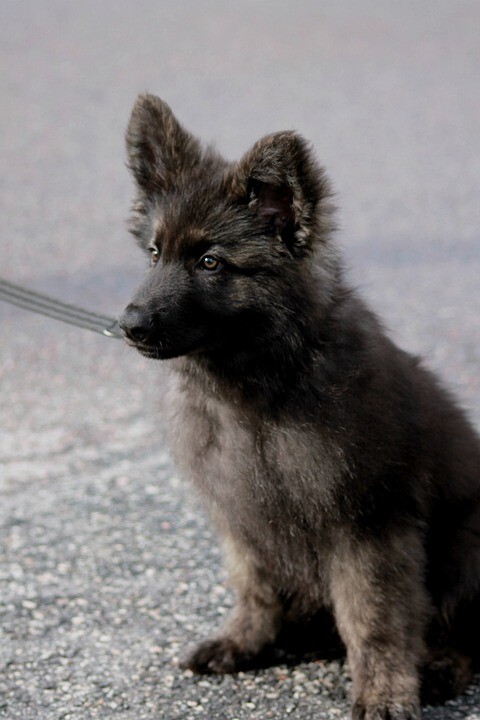
Top Care Tips for Your Anatolian Shepherd: A Happy, Healthy Life
Overview of the Anatolian Shepherd
The Anatolian Shepherd, also known as the Kangal or Karabash, is a remarkable breed originally developed in Anatolia, Turkey. This breed dates back thousands of years and was primarily used to guard livestock against predators. The Anatolian Shepherd is renowned for its protective instincts, intelligence, and strong bond with its family. Typically weighing between 90 to 150 pounds and standing 26 to 30 inches tall, these dogs boast a muscular physique and a short, weather-resistant coat that can be various shades, including fawn, brindle, and white.
Temperament and Personality Traits
Anatolian Shepherds are known for their loyalty and devotion. They serve as both vigilant guard dogs and affectionate family members, making them highly adaptable to various household types. They are intelligent and independent, which can sometimes translate into a stubborn demeanor, making consistent training and positive reinforcement essential. Here are some important personality traits:
- Loyal: They form strong bonds with their families and protect them fiercely.
- Independent: Often described as “thinkers,” they may take their time to respond to commands.
- Calm: With proper training and socialization, they can be quite relaxed, making them great companions.
Grooming Needs
Grooming an Anatolian Shepherd is relatively straightforward due to their short coat. Regular brushing—at least once a week—will help to remove loose fur and keep their coat healthy. During shedding seasons (spring and fall), more frequent brushing may be necessary to keep shedding under control. Routine dental care, nail trimming, and ear checks should also be part of their grooming regimen.
Health Considerations
Anatolian Shepherds are generally healthy but are prone to certain conditions, including hip dysplasia and bloat. Regular vet check-ups and a balanced diet play vital roles in maintaining their health.
Suitability for Households
These dogs thrive in homes with ample space, preferably with a yard for them to roam. Due to their protective nature, they make excellent family pets but may not be suitable for households with very young children or small pets, as their guarding instincts can lead to overly protective behaviors.
Top Care Tips for Your Anatolian Shepherd
Training and Socialization
Start Early: Begin training and socialization when your dog is a puppy. Expose them to various people, animals, and environments to ensure they grow into a well-rounded adult.
Positive Reinforcement: Use treats, praise, and playtime as rewards. This method is more effective than harsh discipline tactics.
Consistency is Key: Make sure everyone in your household uses the same commands and rules. Consistency helps your dog understand expectations better.
Exercise and Activity
Regular exercise is crucial for an Anatolian Shepherd. They need at least an hour of physical activity daily. Activities can range from long walks to agility training or playing fetch in a safe, enclosed area.
Emotional Support
Designating your dog as an emotional support animal (ESA) can be beneficial for both you and your pet. An ESA provides comfort and companionship as you navigate life’s challenges.
Mental and Emotional Health Benefits
Having a pet can alleviate feelings of stress, isolation, and anxiety. Studies have shown that interacting with animals can:
Lower Blood Pressure: Just the simple act of petting a dog can lead to lower blood pressure and reduction in stress hormones.
Increase Happiness: The companionship and unconditional love a dog offers can boost dopamine and serotonin levels, leading to increased happiness and emotional stability.
There are countless real-life examples of this phenomenon. Many individuals struggling with anxiety have found solace and courage through the unwavering presence of their dogs. The bond formed with an Anatolian Shepherd, characterized by loyalty and protection, can create a profound sense of security for pet owners.
Key Information
- Origin: Anatolian Shepherds are ancient guardians from Turkey.
- Temperament: They are independent, loyal, and protective.
- Exercise Needs: Require at least an hour of daily activity.
- Grooming: Easy grooming with weekly brushing.
- Health Issues: Be aware of hip dysplasia and bloat.
How Dogs and Cats Provide Emotional Support
The science behind how pets enhance emotional health revolves around several psychological and physiological mechanisms.
Oxytocin Release: Interacting with pets can trigger the release of oxytocin, often referred to as the “love hormone,” which strengthens the bond between humans and animals.
Grounding: Pets provide an anchoring presence that helps individuals feel more grounded during stressful times. This grounding effect can be pivotal in overcoming feelings of anxiety or depression.
Routine and Responsibility: Caring for a pet creates a daily routine that fosters a sense of purpose and responsibility. This can be especially beneficial for individuals struggling with mental health issues.
FAQs About emotional support animals
What is an Emotional Support Animal?
An ESA is a pet that provides comfort and support to individuals facing emotional or mental health challenges.How do I qualify for an ESA?
Typically, you must have a documented mental health condition, which a licensed mental health professional can confirm.Can any pet be an ESA?
Yes, while dogs and cats are most common, other animals can also qualify.Do ESAs have the same rights as service animals?
No, ESAs do not have the same public access rights as service animals but can live in housing that typically doesn’t allow pets.How can I obtain ESA documentation?
You can get a letter from a licensed mental health professional that confirms your need for an ESA.Can I take my ESA on flights?
Policies vary by airline, so check with your airline for specific documentation and requirements.What’s the difference between a service dog and an ESA?
Service dogs are trained to perform specific tasks for people with disabilities, while ESAs provide emotional support without specific training.How much does it cost to register an ESA?
Costs can vary widely, depending on the services you use.
Conclusion
Having an Anatolian Shepherd as part of your family can significantly enhance your quality of life. Not only do they serve as loyal guardians, but they can also provide emotional support as an ESA, enhancing mental well-being and emotional resilience. If you think your pet could be an ESA, consider reaching out to Veripaw.org for assistance. Since 2012, Veripaw has connected pet owners with licensed mental health professionals, ensuring you receive the necessary ESA documentation. They also offer a range of high-quality pet accessories to keep your furry friend happy and healthy. Make the commitment today to improve your life and your pet’s life!
Ready to register your animal?
Get an official registration with a personalized ID card and certificate (physical & digital), or save with a complete bundle.

