
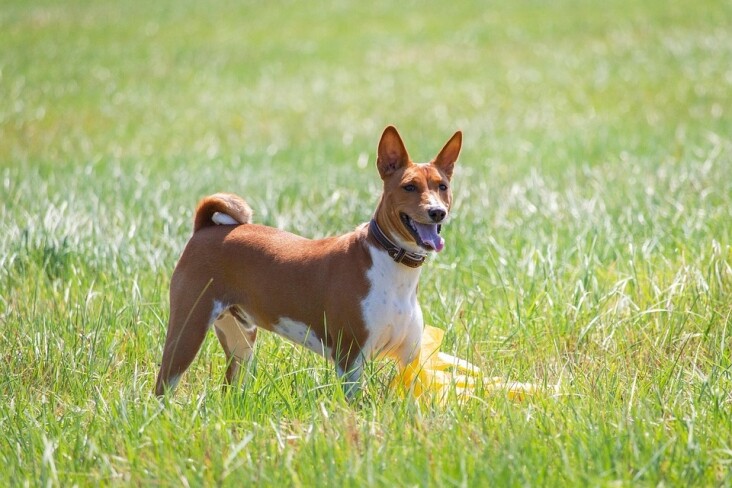
Top 5 Basenji Traits That Make Them Adorable Companions
The Basenji is a unique breed known for its distinctive traits and rich history. Often referred to as the “barkless dog,” this breed hails from Central Africa and has been around for thousands of years. Traditionally bred for hunting, the Basenji is renowned for its intelligence, independence, and graceful movements. They are small to medium-sized dogs with a keen hunting instinct and a proud demeanor.
History of the Basenji
The Basenji’s lineage can be traced back to ancient Egypt, where they were revered by pharaohs and were found in hieroglyphs. These dogs were bred by the Bantu people to assist in hunting game and were also utilized in village life to control rodent populations. Their unique vocalization—a yodel-like sound called a “barroo”—is linked to their anatomical structure, which lacks the vocal cords found in most dogs.
Temperament and Personality Traits
Basenjis are charmingly stubborn and fiercely loyal. Their temperaments tend to be spirited and inquisitive. While they can be somewhat aloof with strangers, they typically form tight bonds with their families. Their hunting instincts can lead them to chase small animals, so owners should be prepared for that instinctual behavior. Given this mix of independence and attachment, Basenjis are best suited for active households that appreciate their playful nature.
Grooming Needs
Grooming a Basenji is relatively straightforward. They have short, fine coats that shed minimally. Regular brushing will help remove loose hair and keep their coats healthy. They require baths only occasionally, so owners can enjoy a low-maintenance grooming routine. Additionally, routine dental hygiene and nail trimming are essential for their overall health.
Health Considerations
While Basenjis are generally healthy, like all breeds, they can be prone to certain health conditions such as hip dysplasia and certain genetic disorders. Routine veterinary check-ups and a nutritious diet can help maintain their well-being.
Suitability for Different Households
Basenjis thrive in households that provide plenty of mental and physical stimulation. They are excellent companions for active individuals or families that enjoy outdoor activities. However, due to their independent streak, they may not be the best fit for first-time dog owners. Early training and socialization are crucial to help them develop into well-rounded pets.
Top 5 Basenji Traits That Make Them Adorable Companions
Unique Vocalization
The Basenji’s “barroo” is one of the breed’s most endearing traits. This unusual bark-like sound adds personality to the breed and makes them stand out from other dogs. Their minimal barking can be a blessing for people living in apartment settings.Playful Nature
These dogs are known for their playful antics and high energy levels. They love to engage in playtime and require regular exercise to keep them happy. A Basenji’s playful spirit can bring a lot of joy and laughter into a home.Intelligence
Basenjis are intelligent dogs that can be trained to perform various tasks. Their sharp minds make them excellent problem-solvers, though they can sometimes become bored easily. Consistent training techniques that include mental challenges can keep them engaged.Independent Yet Affectionate
While they enjoy their independence, Basenjis are very affectionate with their families. They’ve been known to follow their owners around the house and when they choose to snuggle, it makes for a feel-good moment that deepens the human-animal bond.Low Grooming Needs
With their short coats and minimal shedding, Basenjis are easy to groom, making them suitable for busy individuals or families. They are relatively easy to care for compared to other breeds, allowing for more quality time spent together.
Training, Socialization, and Care Tips
Training a Basenji requires patience and consistency. Start with basic commands, using positive reinforcement techniques like treats and praise. Socializing your Basenji early with other dogs, people, and environments can help them become more confident and well-adjusted.
Regular exercise is crucial for this energetic breed, so daily walks and play sessions are essential. Mental stimulation, such as puzzle toys, will also keep their minds engaged and prevent unwanted behaviors.
What Is an emotional support animal (ESA)?
An Emotional Support Animal (ESA) is a pet that provides comfort and support to individuals with emotional or mental health issues. Unlike service dogs that are trained to perform specific tasks for individuals with disabilities, ESAs do not require specialized training. Their mere presence can offer significant emotional benefits and help alleviate feelings of anxiety, depression, or loneliness.
Benefits of Designating a Pet as an ESA
Having a pet designated as an ESA can improve your overall mental well-being. The companionship of an ESA has been shown to:
Reduce Anxiety: Many people experience decreased anxiety when they are in the presence of their pet. For example, someone may feel calmer in stressful situations when their dog is by their side.
Provide a Sense of Purpose: Caring for a pet can give individuals a reason to get out of bed and engage with the world, which is particularly beneficial for those suffering from depression.
Encourage Social Interaction: Pets can serve as social catalysts, making it easier for their owners to meet new people and build connections.
Key Information
- Basenjis have a rich historical background as hunting dogs from Central Africa.
- They’re known for their unique vocalization and playful spirit.
- Their grooming needs are minimal, making them ideal for busy pet owners.
- Training and socialization are vital for their well-being.
- They can make excellent emotional support animals, providing comfort and companionship.
How Dogs and Cats Provide Emotional Support
According to research, the presence of pets can trigger the release of feel-good hormones like oxytocin, which fosters bonding and emotional connection. This chemical reaction can create feelings of happiness and reduce stress levels. Moreover, pet ownership has been shown to lower heart rates and blood pressure, contributing to better mental resilience.
The companionship provided by pets enables many to manage their emotional challenges effectively. For instance, a veteran suffering from PTSD might find solace in their dog’s unwavering loyalty during moments of anxiety or distress.
FAQs about Emotional Support Animals
What qualifies a pet to be an ESA?
- Any pet can be designated as an ESA, but dogs and cats are the most common choices. The pet must provide emotional support to the owner.
Do ESAs require special training?
- No, ESAs do not require specialized training, although basic obedience training is beneficial.
Can I take my ESA anywhere?
- ESAs have some protections under housing laws, but they do not have the same access rights as service animals in public places.
How can I get my pet certified as an ESA?
- You can obtain certification by connecting with licensed mental health professionals through platforms like Veripaw.org.
Do I need a doctor’s note for my ESA?
- Yes, a letter from a licensed mental health professional is typically necessary to qualify for ESA benefits.
In conclusion, if you’re considering adding a Basenji—or any pet—to your family, remember their affectionate nature, intelligence, and low grooming needs. Plus, pets can provide immense emotional support, improving your mental health and overall joy in life.
To take the next step in enhancing your life with an Emotional Support Animal, visit Veripaw.org. Since 2012, they have connected pet owners with licensed mental health professionals and helped with ESA documentation, ensuring you and your pet can enjoy the emotional benefits of companionship.
Ready to register your animal?
Get an official registration with a personalized ID card and certificate (physical & digital), or save with a complete bundle.

