
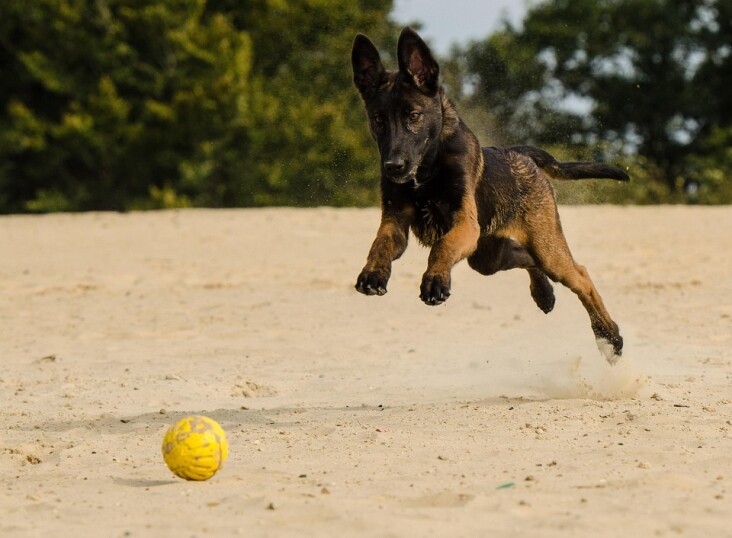
The Belgian Malinois: Your Ultimate Emotional Support Companion!
When you hear the term “emotional support animal” (ESA), what often comes to mind are fluffy dogs that offer comfort and companionship. Among those breeds, the Belgian Malinois stands out as an incredible emotional support companion. With its intelligence, loyalty, and protective nature, this breed can be a delightful addition to any household. But before diving into the details about the Belgian Malinois as an ESA, let’s first explore its history, temperament, and care needs.
Overview of the Belgian Malinois
History:
The Belgian Malinois, one of four Belgian herding breeds, originated in Belgium in the late 19th century. Originally bred for herding sheep, the Malinois quickly proved its worth in various working roles, including police and military jobs due to its trainable nature and keen instincts. Today, many Belgian Malinois serve as service dogs, showcasing their adaptability and intelligence.
Temperament and Personality Traits:
Belgian Malinois dogs are known for their high energy, intelligence, and eagerness to please their owners. Their loyal disposition makes them protective of their families, ensuring a strong bond. However, this breed also requires ample mental and physical stimulation; they thrive in active environments where they can engage in play and training exercises.
Grooming Needs:
Grooming a Belgian Malinois is relatively straightforward. They have a short coat that sheds moderately. Regular brushing—at least once a week—helps keep their coat healthy and reduces shedding. Seasonal shedding may increase, so additional grooming during these times can help. Regular nail trimming, ear cleaning, and dental care are essential for maintaining overall health.
Health Considerations:
The Belgian Malinois is generally healthy, but like all breeds, they can be prone to specific health issues. Hip dysplasia and elbow dysplasia are two concerns associated with the breed. Ensuring that your dog is from a reputable breeder who screens for these conditions can help mitigate risks. Regular veterinary check-ups are crucial for early detection of any health challenges.
Suitability for Different Households:
Belgian Malinois dogs thrive in active households where they can participate in physical activities. They are best suited for families who have time to dedicate to daily exercise and training. Their intelligence means they can become bored easily, which can lead to behavioral issues if not properly stimulated. They can do well with older children, but young kids may not be suitable companions due to the dog’s high energy levels.
Training, Socializing, and Caring for a Belgian Malinois
To effectively train a Belgian Malinois, consistency and positive reinforcement are key. Here are some tips:
Start Early: As with any breed, begin training and socialization during puppyhood. Expose your puppy to various environments, people, and other pets to cultivate well-rounded sociability.
Use Positive Reinforcement: Reward desirable behavior with treats and praise. This encourages your Malinois to repeat the good behavior in the future.
Engage in Continuous Training: Belgian Malinois are intelligent and need ongoing mental stimulation. Consider advanced training classes or activities such as agility, obedience, and even canine sports.
Regular Exercise: Daily walks, runs, and play sessions are essential to keep your Malinois mentally and physically fit.
Establish a Routine: Dogs thrive on routines—it can help reduce anxiety and promote feelings of stability in both your pet and yourself.
What is an Emotional Support Animal?
Simply put, an Emotional Support Animal is a pet that provides comfort and support to individuals experiencing emotional, psychological, or mental health conditions. Unlike service dogs trained to perform specific tasks or duties, ESAs primarily offer companionship and emotional relief.
Benefits of Designating a Pet as an ESA:
Emotional Comfort: Many people find that having a pet nearby helps ease feelings of anxiety, depression, and loneliness.
Reduced Symptoms: Interactions with pets can decrease symptoms of PTSD and other mental health issues, making daily life easier.
Relaxation and Calmness: The presence of a pet can induce feelings of calm, which promotes relaxation and emotional stability.
Mental and Emotional Health Benefits
Research has shown that owning a pet can foster emotional well-being. Dogs and cats provide unconditional love and companionship, reducing feelings of isolation and anxiety. A study from the Human-Animal Bond Research Institute highlights that interacting with pets can lower blood pressure, reduce stress, and increase feelings of happiness.
Real-life Examples:
- A nurse reported feeling less anxious after adopting a Belgian Malinois. The dog’s playful demeanor and loyal companionship helped her cope with the stress of her demanding job.
- A college student with social anxiety found that her cat provided the comfort she needed to feel secure while managing her studies and social life.
Key Information
- The Belgian Malinois is an intelligent, loyal, and high-energy breed best suited for active households.
- Regular grooming and health check-ups are essential for keeping your dog healthy.
- Belgian Malinois thrive on training and socialization—start these processes early.
- emotional support animals provide comfort and support to individuals dealing with emotional and mental health issues.
How Dogs and Cats Provide Emotional Support
The bond between humans and their pets is unique and powerful. When a dog or cat cuddles next to you, your brain releases oxytocin, often referred to as the “love hormone.” This fosters feelings of bond and connection that can ease stress and anxiety. Additionally, responsibilities associated with pet ownership can provide a sense of purpose, which is crucial for mental resilience.
When you pet your animal, research shows that cortisol levels (the hormone related to stress) decrease, promoting relaxation. Moreover, the interaction often encourages physical activity—be it walks or playful sessions—which can naturally boost mood through endorphin release.
Frequently Asked Questions About Emotional Support Animals
What qualifies a pet to be an ESA?
An animal must provide comfort and support for an individual who has emotional or psychological needs. No specific training is required, though the animal should be well-behaved.Do ESAs require special certification?
While not legally required, obtaining ESA documentation from a licensed mental health professional can help secure housing accommodations and travel rights.Can an ESA go everywhere?
ESAs are not granted the same access rights as service animals. However, they can accompany their owners in certain housing situations and sometimes on flights depending on the airline’s policies.Are there breed restrictions for ESAs?
Generally, any type of animal can be classified as an ESA, but landlords may have their own regulations or restrictions.What types of therapies are pets used for?
Pets can assist with therapies related to anxiety, depression, PTSD, and various emotional disorders, helping to foster healing through companionship.Can I get an ESA without a mental health condition?
To have an ESA recognized for legal rights, you usually need to demonstrate that you have a qualifying mental health condition.Do I need to have my ESA trained?
Formal training is not necessary for ESAs, but basic obedience training is advisable.Are there costs associated with getting an ESA?
Costs can vary, including vet visits, obtaining documentation from a mental health professional, and caring for your pet.
Conclusion
If you’re considering getting a companion to support your emotional needs, the Belgian Malinois could be your perfect match. Their loyalty, energy, and intelligence make them remarkable emotional support animals. However, remember that adopting a pet is a serious commitment requiring care, training, and socialization.
For those ready to take this step, look no further than Veripaw.org. Since 2012, Veripaw has connected pet owners with licensed mental health professionals, assisting you in obtaining your ESA documentation and providing high-quality pet accessories to support you and your furry friend. Don’t wait—start your journey toward emotional well-being with the help of a beloved companion today!
Ready to register your animal?
Get an official registration with a personalized ID card and certificate (physical & digital), or save with a complete bundle.

