
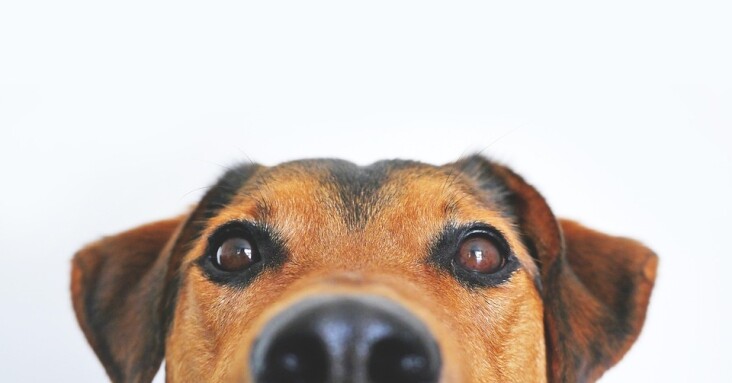
The Anatolian Shepherd: Your Guardian and Loyal Companion
Overview of the Anatolian Shepherd
The Anatolian Shepherd is a majestic and powerful breed originating from Turkey. Known for their impressive size and protective instincts, these dogs have been an integral part of Turkish culture for centuries. They were originally bred to guard livestock against predators, and their strong, independent personality makes them ideal for this role.
History
The breed’s history dates back over 6,000 years, making it one of the oldest shepherd breeds in the world. Anatolian Shepherds are known for their incredible adaptability and resilience, thriving in various harsh climates. These dogs were crucial in safeguarding flocks and were valued for their loyalty and protective instincts.
Temperament and Personality Traits
Anatolian Shepherds are known for being intelligent, alert, and confident. They are naturally protective, making them excellent guardians for both homes and livestock. While they can be aloof with strangers, they are deeply loyal to their families. These dogs have a calm and steady demeanor, but their independent nature means they often prefer to think for themselves, which can present challenges in training.
Grooming Needs
One of the benefits of owning an Anatolian Shepherd is their relatively low grooming requirements. They have a double coat that sheds year-round, with heavier shedding occurring in spring and fall. Regular brushing, along with occasional baths, will keep their coat healthy and free of mats. Due to their size, ensure that you’re prepared for the grooming efforts required to manage a larger dog.
Health Considerations
Like all breeds, Anatolian Shepherds may have health issues to watch for, including hip dysplasia, elbow dysplasia, and certain eye disorders. Regular veterinary check-ups, a healthy diet, and exercise are crucial for maintaining their well-being. Lifespan ranges from 10 to 12 years, so investing time in their health will benefit both you and your furry companion.
Suitability for Different Households
This breed is best suited for families with experience in handling larger, strong-willed dogs. They require ample space to roam, making them ideal for homes with large yards or rural settings. Families with children can benefit from their playful yet protective nature, but it’s crucial to socialize these dogs early to ensure comfortable interactions with kids and other animals.
Training and Socializing Tips
Training an Anatolian Shepherd requires patience and consistency. Start training early, using positive reinforcement techniques that reward desirable behavior. Socialization is also vital—expose your dog to different environments, people, and animals to help them develop a well-rounded personality.
Engaging in obedience classes can also be beneficial. Providing mental challenges through puzzle toys and obedience training not only improves their behavior but also enhances their emotional connection with you as their owner.
Caring for an Anatolian Shepherd
Ensure your Anatolian Shepherd has plenty of physical activity every day. Long walks, playtime in a secured yard, or even agility training can keep them physically and mentally stimulated. Always provide fresh water and high-quality dog food appropriate for their age and size.
What is an emotional support animal (ESA)?
An Emotional Support Animal (ESA) is a pet that provides comfort and emotional support to individuals experiencing various psychological challenges, such as anxiety, depression, or PTSD. Unlike service dogs, which are specifically trained to perform tasks for individuals with disabilities, ESAs primarily provide companionship and comfort.
Benefits of Designating Your Pet as an ESA
People benefit from designating their pets as ESAs because it allows them to access legal protections, such as living in pet-restricted housing or flying with their pet in the cabin of an airplane. In addition to these legal provisions, having an ESA can significantly enhance emotional well-being.
Mental and Emotional Health Benefits
Pets are well-known for their ability to improve mental health. Their loving, non-judgmental presence can alleviate feelings of loneliness and stress. Studies have shown that petting a dog or cat can release serotonin and dopamine, which are neurotransmitters that create feelings of happiness and calmness.
Real-Life Examples:
- Stress Relief: Many people report that simply the act of petting their dog after a long day can reduce anxiety levels significantly.
- Companionship: For individuals suffering from depression, the unconditional love a pet offers can provide a lifeline that encourages daily activity, such as taking walks or engaging in play.
- Routine and Responsibility: Caring for a pet can imbue a sense of purpose and structure in one’s life, making it easier to cope with daily challenges.
Key Information
- Origin: The Anatolian Shepherd originated in Turkey and has extensive historical significance in livestock guarding.
- Temperament: Strong-willed, protective, and loyal to families; more independent than some breeds.
- Grooming Needs: Relatively low maintenance but requires regular brushing due to shedding.
- Health Considerations: Potential for hip dysplasia and other disorders; regular vet check-ups are essential.
- Ideal Homes: Best for experienced dog owners with sufficient space; they thrive in active households.
- Socialization and Training: Positive reinforcement and early socialization are crucial.
How Dogs and Cats Provide Emotional Support
Research suggests that pets positively affect mental health by reducing stress and promoting feelings of happiness. Here’s how:
Physical Touch: Physical interaction, such as petting a dog or cat, triggers the release of oxytocin—the “love hormone”—reducing cortisol levels associated with stress.
Companionship: The presence of a pet can decrease feelings of loneliness and create a sense of purpose.
Distraction: For many, engaging with a pet can offer a healthy distraction from negative thoughts or fears.
Routine: Pets require feeding, walking, and care, which can encourage owners to establish healthy routines that promote well-being.
FAQs About emotional support animals
What is an ESA?
An Emotional Support Animal is a pet that provides comfort and companionship to individuals struggling with emotional or mental health issues.Can any pet be an ESA?
Yes, any pet can serve as an ESA, but dogs and cats are the most common due to their strong bond with humans.How do I get my pet certified as an ESA?
You need a recommendation letter from a licensed mental health professional. Veripaw can assist with this process.What rights do ESAs have?
ESAs can live in “no-pet” housing and fly with their owners. Note that specific laws may vary by location.Can I take my ESA to public places?
ESAs do not have the same rights as service animals in public. However, many establishments are pet-friendly.How does having an ESA help with anxiety?
The presence of a pet can reduce feelings of anxiety through companionship, routine, and physical touch.Do I need to train my ESA?
While formal training isn’t required for an ESA, basic obedience training can be helpful for a well-behaved pet.Can I get ESA documentation online?
Yes, you can obtain ESA documentation through services like Veripaw, which connects you with licensed professionals.
Conclusion
If you’re considering an Emotional Support Animal, the Anatolian Shepherd could be a remarkable choice. Their loyalty, protective nature, and companionship can greatly enhance emotional well-being. By connecting with Veripaw.org, you can navigate the process of certifying your dog or cat as an ESA while accessing quality resources and pet accessories. Since 2012, Veripaw has been dedicated to helping pet owners achieve the supportive relationships they need for their mental health. Don’t hesitate—take the first step toward companionship and emotional support today!
Ready to register your animal?
Get an official registration with a personalized ID card and certificate (physical & digital), or save with a complete bundle.

