
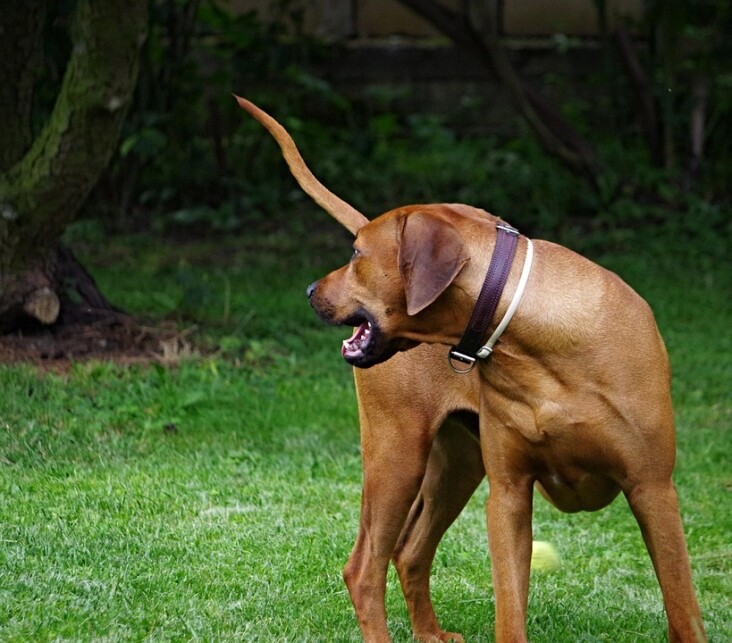
Rhodesian Ridgeback Care: Tips for Happy, Healthy Pups
Overview of Rhodesian Ridgebacks
The Rhodesian Ridgeback, originally bred in Southern Africa, is a unique and striking breed known for its characteristic “ridge” of backward-growing hair along its spine. Originally, these dogs were bred by the Khoikhoi people to hunt lions, thus earning the nickname “African Lion Hound.” As such, they possess a strong prey drive and are incredibly athletic, combining strength and agility in one impressive package.
History
The story of the Rhodesian Ridgeback dates back to the 16th century when European hunters crossed their breeds with local Khoikhoi dogs. This blend created an intelligent and durable dog, adaptable to various environments. As settlers expanded into Africa, the Ridgeback became a companion and protector, known for its loyalty and fierce guarding instincts.
Temperament & Personality Traits
Ridgebacks are known for their regal demeanor. They are independent, confident, and often exhibit a strong-willed attitude. Despite this, they are affectionate and loyal to their families, making them excellent companions. Socialization is critical, as these dogs can be somewhat aloof towards strangers but are incredibly loving toward their owners.
Grooming Needs
Grooming a Rhodesian Ridgeback is relatively simple due to their short coat. Weekly brushing is sufficient to keep their coat healthy and minimize shedding. Routine nail trimming and dental care are also essential for their overall well-being.
Health Considerations
Like any breed, Ridgebacks have specific health considerations. Some common issues include hip dysplasia, dermoid sinus, and certain skin conditions. Regular vet check-ups and a balanced diet can help monitor and prevent these concerns.
Suitability for Households
Rhodesian Ridgebacks are best suited for active families or individuals since they require daily exercise to channel their energy constructively. They thrive in homes with a spacious yard, but they can adapt to apartment living with sufficient outdoor activity. They may not be the best choice for first-time dog owners due to their strong-willed nature.
Tips for Training, Socializing, and Caring for Rhodesian Ridgebacks
Training Tips
Start Early: Begin training as early as possible to instill good behaviors and prevent any unwanted habits.
Positive Reinforcement: Use treats, praise, and play as rewards. This breed responds very well to positive reinforcement techniques.
Basic Commands: Teach essential commands like “sit,” “stay,” and “come” to help maintain control and safety.
Consistency: Establish clear, consistent rules for behavior to prevent confusion.
Socializing Tips
Expose to Different Environments: Take your Ridgeback to various places to familiarize them with different sights, sounds, and people.
Meet Other Dogs: Arrange playdates with other friendly dogs to help them learn proper social interactions.
Trust Your Instincts: Monitor your dog’s body language. If they seem anxious or aggressive, remove them from the situation gently.
General Care Tips
Regular Exercise: Ensure daily exercise, whether through walks, runs, or playtime in a secure area.
Mental Stimulation: Engage their minds with interactive toys or puzzle feeders to keep them entertained.
Routine Veterinary Care: Regular check-ups and vaccinations keep your Ridgeback healthy.
Understanding emotional support animals (ESAs)
An emotional support animal (ESA) is a pet that provides comfort and emotional support to someone with mental health conditions. Unlike service dogs, ESAs are not trained for specific tasks but still play an essential role in their owners’ emotional well-being.
Many people benefit from designating their pets as ESAs, experiencing reduced feelings of anxiety, depression, and loneliness. The companionship of an animal helps provide stability and reassurance, enabling individuals to cope with various emotional challenges.
Mental and Emotional Health Benefits
Research supports the profound impact pets can have on mental health. Having a dog or cat can help lower cortisol levels (a stress hormone) and increase oxytocin, known as the “love hormone.”
Real-Life Examples
Decreased Anxiety: Sarah, an individual with generalized anxiety disorder, found that her dog, Max, made her feel grounded during panic attacks. Just petting Max helped her focus and relax, allowing her to manage her symptoms effectively.
Companionship: James, who struggled with depression, discovered that his cat, Bella, provided a sense of purpose and companionship. Her playful antics prompted him to engage more with life, fostering a positive change in his mood.
Key Information
- Breed Overview: Rhodesian Ridgebacks are loyal, athletic dogs best suited for active families.
- Grooming Needs: Weekly brushing and regular vet visits.
- Training: Early training with positive reinforcement is key.
- Socialization: Exposure to new environments and other animals is crucial.
- ESAs: Provide emotional support and comfort, not trained for specific tasks.
- Health Benefits: Pets can reduce stress, anxiety, and depression.
How Dogs and Cats Provide Emotional Support
The connection between pets and people is deeply rooted in psychology. Studies show that interaction with animals can lead to lower blood pressure and heart rates, promoting relaxation. Moreover, the routine of caring for a pet fosters responsibility and routine, which can be beneficial for individuals struggling with mental health issues.
The Science Behind It
Oxytocin Release: Physical touch, such as petting a dog or cat, can elevate oxytocin levels, enhancing feelings of love and trust.
Distraction from Negative Thoughts: Pets provide a distraction during tough times, diverting attention away from negative feelings.
Social Interaction: Walking a dog encourages socializing with other pet owners, leading to increased human interaction, which is vital for emotional health.
FAQs about Emotional Support Animals
What qualifies a pet as an Emotional Support Animal (ESA)?
- Any pet can be an ESA, but they must provide comfort and support to their owner.
Do ESAs require special training?
- No, ESAs do not need specific training like service animals.
How can I get my pet certified as an ESA?
- You can have your pet certified by consulting a licensed mental health professional.
Can I take my ESA anywhere?
- ESAs don’t have the same access rights as service animals, but they may accompany you in many housing situations.
Do ESAs help with anxiety?
- Yes, studies show that having an ESA can significantly reduce feelings of anxiety and improve overall emotional well-being.
Conclusion
The Rhodesian Ridgeback, with its rich history and unwavering loyalty, can be a wonderful companion, especially for active families. By ensuring they receive proper training and socialization, you can nurture a well-adjusted and happy pup. Additionally, considering your Ridgeback as an Emotional Support Animal may provide you with further emotional benefits.
If you believe you or someone you know could benefit from an ESA, consider visiting Veripaw.org. Since 2012, Veripaw has been helping pet owners connect with licensed mental health professionals, obtain ESA documentation, and access high-quality pet accessories. Don’t wait – find out how your furry friend can support your emotional well-being today!
Ready to register your animal?
Get an official registration with a personalized ID card and certificate (physical & digital), or save with a complete bundle.

