
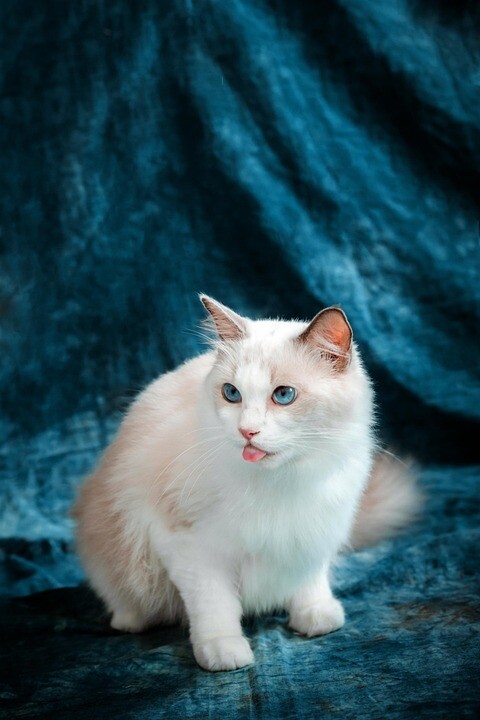
Ragdoll Cats: The Affectionate Felines You’ll Adore Forever!
If you’re looking for a cat that combines striking beauty with a gentle temperament, look no further than the Ragdoll cat. This affectionate breed is known for its stunning blue eyes, soft fur, and laid-back personality. Let’s delve into the Ragdoll’s history, personality, grooming needs, and their suitability for various households.
Overview of Ragdoll Cats
History
The Ragdoll cat breed originated in California during the 1960s. A breeder named Ann Baker began developing the breed using a domestic longhaired cat named Josephine, who had given birth to several kittens with distinct characteristics. Ragdolls are renowned for their docile and affectionate nature, leading to their popularity as family pets.
Temperament and Personality Traits
Ragdolls are often described as “puppy-like” due to their friendly demeanor. They are known for being:
- Affectionate: Ragdolls love to cuddle and often go limp when picked up, which is how they got their name.
- Social: They enjoy being around people and get along well with other pets, making them great for multi-pet households.
- Intelligent: Ragdolls are quick learners and enjoy interactive play, which means you can easily train them using positive reinforcement.
Grooming Needs
Despite their long fur, Ragdolls aren’t particularly high-maintenance when it comes to grooming. Here’s what you should keep in mind:
- Brushing: A weekly brush will keep their coat in top condition and help reduce shedding and matting.
- Bathing: It’s usually unnecessary unless they get into something messy, but a bath every few months can help keep their coat shiny and clean.
- Nail Trimming: Regular nail trims will ensure your Ragdoll stays comfortable and prevents scratching furniture.
Health Considerations
Like all breeds, Ragdolls can be prone to certain health issues. Regular veterinary check-ups are essential. Some common health concerns include:
- Hypertrophic Cardiomyopathy (HCM): A heart condition that can affect Ragdolls. Early detection is key.
- Urinary Tract Issues: Ragdolls can be susceptible to urinary problems, so ensure they have access to plenty of fresh water.
Suitability for Different Households
Ragdolls are uniquely suited to a variety of living situations. Their gentle, calm temperament makes them ideal for families with children or other pets. They thrive in loving households where they receive plenty of attention. However, they are also content to be around quieter settings as long as they have someone to bond with.
Tips for Training and Socializing Ragdolls
Training a Ragdoll is usually a rewarding experience. Here are some effective techniques:
- Positive Reinforcement: Use treats and praise to encourage good behavior.
- Consistency: Stick to a routine for feeding and playtime to help them feel secure.
- Socialization: Introduce them to various environments, people, and pets from an early age to avoid shyness or fearfulness.
What is an emotional support animal (ESA)?
An Emotional Support Animal (ESA) is a pet designed to provide comfort and emotional support to individuals facing mental health challenges. Unlike service animals, ESAs don’t require special training but must be well-behaved. They can be dogs, cats, or other pets and are recognized for their therapeutic benefits, which include reducing anxiety and improving emotional well-being.
Benefits of Having a Ragdoll as an ESA
Ragdolls make exceptional ESAs due to their loving nature. Here are some benefits of having a Ragdoll as an ESA:
- Comfort and Company: Their gentle demeanor can provide incredible emotional support during difficult times.
- Anxiety Relief: The presence of a Ragdoll can help calm nerves and reduce feelings of anxiety.
- Support for Isolation: For those who struggle with loneliness, a Ragdoll’s affectionate nature can provide companionship and comfort.
Real-Life Examples
Sophia, a college student, adopted a Ragdoll cat named Mochi while dealing with anxiety and stress. Through daily cuddles and playtime, Mochi has helped Sophia feel more grounded and less isolated.
Michael, an older adult facing depression, found solace in his Ragdoll, Bella. The consistent companionship and unconditional love from Bella enhanced Michael’s overall mood and motivation.
Key Information
- Origin: California, 1960s
- Temperament: Affectionate, social, and intelligent
- Grooming: Minimal brushing required, regular nail trimming is essential
- Health Concerns: HCM and urinary tract issues
- Suitability: Ideal for families and homes with other pets
How Dogs and Cats Provide Emotional Support
The connection between pets and mental health is well-documented. Here are some ways pets improve emotional health:
- Stress Reduction: Interacting with pets can lead to decreased levels of cortisol, the stress hormone. Studies show that petting a cat or dog can lead to a noticeable drop in anxiety.
- Increased Happiness: The act of caring for a pet releases feel-good hormones, such as oxytocin, making people feel happier and more fulfilled.
- Social Interaction: Pets can break down social barriers. Walking a dog or taking a cat to a park invites conversations and can enhance human connections.
- Routine and Structure: Caring for a pet creates a daily routine that provides purpose and structure, especially beneficial for those dealing with depression or anxiety.
FAQs About emotional support animals
1. What qualifies a pet to be an ESA?
Any domesticated pet can qualify, but they must be well-behaved and provide emotional support to their owner.
2. Do ESAs require special training?
No, ESAs do not need specialized training, but they should be trained to behave appropriately in public settings.
3. Can I take my ESA anywhere?
While ESAs do not have the same legal rights as service animals, some public places may allow them if you have proper documentation.
4. How can I get my pet certified as an ESA?
Documenting your need for an ESA can usually be done through a licensed mental health professional.
5. Can I have more than one ESA?
Yes, multiple ESAs can be designated depending on your needs and the support they provide.
6. Is there a difference between ESAs and therapy animals?
Yes, therapy animals undergo training and are often part of professional therapy programs, while ESAs are primarily for individual emotional support.
7. What types of letters do I need for my ESA?
A letter from a licensed mental health professional confirming your need for an ESA is usually required for housing or travel.
8. Can I use my ESA for airline travel?
Airlines have different policies regarding ESAs, so it’s essential to check beforehand for specific requirements.
9. What are the responsibilities of owning an ESA?
ESAs require the same care and commitment as any pet, including feeding, grooming, and regular veterinary check-ups.
Conclusion
Ragdoll cats are some of the most loving companions you can find. Their gentle temperament and affectionate nature make them ideal pets and remarkable Emotional Support Animals. With proper care and training, a Ragdoll can bring immense joy and comfort into your life. If you’re considering certifying your pet as an ESA, Veripaw.org can help. Since 2012, Veripaw has connected pet owners with licensed mental health professionals to obtain ESA documentation and access quality pet accessories. Why wait? Take the first step towards enhancing your emotional well-being today!
Ready to register your animal?
Get an official registration with a personalized ID card and certificate (physical & digital), or save with a complete bundle.

