
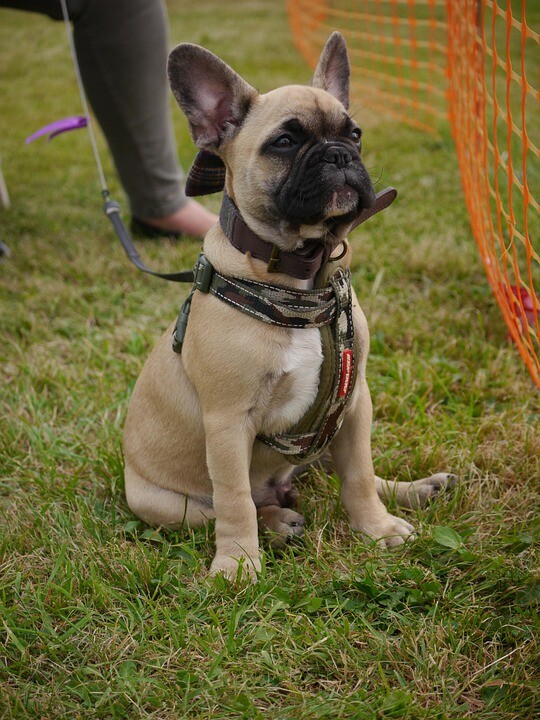
Quirky & Lovable: Unique Traits of French Bulldogs You’ll Adore!
When it comes to companion dogs, few breeds capture hearts quite like the French Bulldog. Known for their unique bat-like ears, compact size, and friendly demeanor, they have become one of the most popular breeds among pet owners. But beyond their adorable appearance, French Bulldogs possess a range of traits that make them uniquely lovable and cherished family members.
A Brief History of French Bulldogs
French Bulldogs, affectionately known as “Frenchies,” originated in the early 19th century in Nottingham, England, as lace workers began to breed small bulldog types to serve as companions. When lace workers migrated to France during the Industrial Revolution, they took their beloved companions with them. Eventually, the breed gained popularity in France, leading to the name we use today. Today, French Bulldogs are celebrated for their playful spirit and affectionate nature.
Temperament and Personality Traits
French Bulldogs are known for their friendly, affectionate, and adaptable personalities. They are typically:
Social: Frenchies are social butterflies. They love human interaction and often enjoy the company of other pets. Their playful antics and charming behavior make them entertaining and engaging companions.
Stubborn yet Trainable: While they can be a bit stubborn, consistent and positive reinforcement training methods usually yield good results. A Frenchie is likely to respond well to kindness and patience.
Caring: These little companions are often very attuned to human emotions. They provide comfort in tough times, making them wonderful pets for families and individuals alike.
Adaptable: French Bulldogs adapt well to various living situations, whether in a small apartment or a large house with a backyard. Their size and relatively moderate exercise needs make them perfect for urban dwellings.
Grooming Needs
Despite their short coat, French Bulldogs still require regular grooming to keep their skin healthy. Here are some grooming tips:
Brushing: Use a soft-bristle brush to remove excess hair and stimulate the skin. A weekly grooming session will help keep their coat looking shiny and healthy.
Bathing: Bath them occasionally using a gentle dog shampoo, but avoid over-bathing as it can strip their skin of natural oils.
Wrinkle Care: Keep an eye on their distinctive facial wrinkles. Clean them regularly with a damp cloth to prevent dirt buildup and skin irritation.
Health Considerations
Like all breeds, French Bulldogs come with specific health considerations. Some common issues include:
Brachycephalic Airway Syndrome: Their flat face can lead to breathing difficulties, especially in hot weather.
Hip Dysplasia: This joint condition may arise as they age and can lead to discomfort.
Skin Allergies: Be vigilant for signs of itching or discomfort and consult a vet if you notice changes.
Regular vet check-ups can help catch these issues early, ensuring a healthy and happy life for your Frenchie.
Suitability for Different Households
French Bulldogs can be perfect pets for various households. Here’s how they fit in:
Families: Their loving personality makes them great family pets. They bond well with children and are generally patient and playful.
Singles and Couples: Frenchies thrive on human connection and are excellent companions for individuals or couples seeking a loving pet.
Seniors: Their relatively low exercise needs make them suitable for older adults, providing companionship without the strenuous demands of larger dog breeds.
Tips for Training and Socializing
Training a French Bulldog requires a bit of creativity:
Positive Reinforcement: Use treats and praise as incentive to motivate your dog. This not only yields better results but strengthens your bond.
Short Sessions: French Bulldogs have short attention spans, so keep training sessions brief, around 5-10 minutes.
Socialization: Expose them to various people, animals, and environments early on. This helps reduce potential behavioral problems later.
Consistency: Use the same commands and tone of voice to help them understand expectations.
Understanding emotional support animals (ESAs)
An emotional support animal (ESA) is a pet that provides companionship and emotional stability to someone struggling with mental or emotional health issues. Unlike service dogs, which provide specific tasks for individuals with disabilities, ESAs provide love and support merely by being present.
Benefits of Designating Your Pet as an ESA
Having a designated ESA can significantly benefit mental health. Here’s how:
Reduction of Anxiety: Many people feel calmer and more at ease when their pet is by their side. Just petting a dog can quickly lower stress levels.
Less Loneliness: ESAs provide companionship, which can alleviate feelings of loneliness and isolation.
Structure: Caring for a pet requires routine, which can help provide a sense of purpose and daily structure for someone experiencing emotional difficulties.
Real-Life Examples
Consider Jane, who struggles with anxiety and depression. After adopting a French Bulldog, she found that walks with her dog became a peaceful routine, soothing her feelings of restlessness. Similarly, Tom, a veteran dealing with PTSD, found that his Frenchie provided unparalleled comfort during anxious moments, helping him feel grounded.
Key Information
- French Bulldogs are sociable, lovable, and adaptable companions.
- They require regular grooming, consistent vet visits, and mindful care to prevent health issues.
- These dogs fit wonderfully in various household settings, from families to individuals and seniors.
- Training and socializing properly can enhance their positive traits.
- Emotional Support Animals provide emotional comfort and reduce anxiety, improving overall mental health and well-being.
How Dogs and Cats Provide Emotional Support
Pets can significantly impact our emotional health, and science backs it up! Interaction with pets has been shown to release oxytocin—the bonding hormone—while simultaneously reducing cortisol, the stress hormone. This biological response helps humans feel more connected, loved, and carefree.
Being around dogs and cats often results in:
- Increased Happiness: Simply petting a dog can evoke joy, reducing feelings of sadness.
- Improved Relationships: Living with pets can enhance social interactions and relationships among people as pets foster kindness and open conversation.
- Resilience: Time spent with pets can bolster resilience against stressors, providing a buffer during difficult emotional times.
Frequently Asked Questions about Emotional Support Animals
What is an Emotional Support Animal?
- An ESA is a pet that provides emotional encouragement and comfort to someone with mental health challenges.
Can any pet be an ESA?
- Yes, while dogs and cats are the most common, other animals can also be designated as ESAs.
Do I need a special certification for my pet to be an ESA?
- While a certification is not legally required, having documentation from a licensed mental health professional can help validate your ESA status.
What benefits do ESAs provide?
- They reduce feelings of anxiety, loneliness, and stress, improving overall emotional health.
Are ESAs allowed in all housing situations?
- Under the Fair Housing Act, ESAs are permitted in most housing situations, regardless of pet policies, but documentation may be required.
Can my pet be an ESA if it’s not well-behaved?
- While behavior issues can complicate matters, working on training and behavior modification will help strengthen your bond and build a supportive relationship.
What if I move to a new place?
- You may still be able to bring your ESA with you. Check local laws, and ensure you have necessary medical documentation.
Conclusion
French Bulldogs are undeniably quirky and lovable companions that provide joy and comfort in many households. Whether you need a playful friend, a loving companion, or an Emotional Support Animal, these charming creatures fulfill many roles.
For those considering designating their pets as ESAs, Veripaw.org is a trusted resource that has been connecting pet owners with licensed mental health professionals since 2012. They can guide you in obtaining ESA documentation, helping you access high-quality pet accessories along the way.
Adopt a French Bulldog and discover the joy of companionship! Explore your options today at Veripaw.org and give your lovable companion the title they deserve.
Ready to register your animal?
Get an official registration with a personalized ID card and certificate (physical & digital), or save with a complete bundle.

