
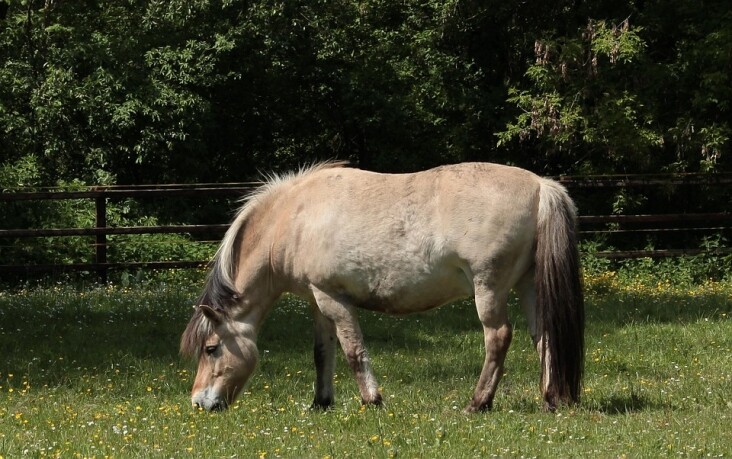
Norwegian Elkhound: The Loyal Companion You’ll Adore
The Norwegian Elkhound, known for its loyal nature and striking appearance, is a breed that captivates dog lovers around the world. Originally bred by the Vikings for hunting large game like elk, these dogs boast a rich history and an engaging personality, making them an ideal companion for diverse families and lifestyles.
Overview of the Norwegian Elkhound
History: The Norwegian Elkhound has a lineage that dates back thousands of years. Vikings cherished these dogs for their endurance, intelligence, and ability to work alongside humans. Their main role was not just as hunters, but also as loyal protectors of the family and property.
Temperament: Elkhounds are often described as friendly, courageous, and alert. They have a balanced temperament that makes them sociable yet independent. These dogs tend to form strong bonds with their families, showcasing their loyalty and protective instincts.
Personality Traits: Norwegian Elkhounds are known for their playful nature and high energy levels. They are curious and intelligent, which means they thrive on interaction and mental stimulation. Early socialization and training are key to ensuring they develop into well-rounded adult dogs.
Grooming Needs: With a thick double coat, Elkhounds require regular grooming to manage shedding and maintain healthy fur. Brushing several times a week is recommended, especially during shedding seasons. Regular baths can keep their coat fresh, but overbathing should be avoided to prevent drying out their skin.
Health Considerations: Generally, Norwegian Elkhounds are a healthy breed. However, like all dogs, they can be prone to certain health issues. These may include hip dysplasia, progressive retinal atrophy (PRA), and certain skin conditions. Regular veterinary check-ups and a healthy diet will go a long way in maintaining their well-being.
Suitability for Different Types of Households: Norwegian Elkhounds do well in active households, making them excellent companions for families who enjoy outdoor activities. They also adapt well to apartments, provided they receive enough exercise. Their affectionate nature makes them great with children, although early exposure to other pets is important.
Training and Socialization Tips
Training a Norwegian Elkhound can be a rewarding experience if approached correctly. Here are some tips to keep in mind:
Start Early: Begin training and socialization as puppies. This helps them build confidence and adapt to new experiences.
Use Positive Reinforcement: Elkhounds respond well to reward-based training methods. Treats, praises, and playtime are effective motivators.
Socialize Often: Introduce your Elkhound to various environments, people, and other animals. This reduces the chances of developing anxiety in new situations.
Stay Consistent: Consistency is crucial in training. Use the same commands and cues to avoid confusing your dog.
Mental Stimulation: Engage your dog with puzzle toys, agility exercises, and obedience training for mental enrichment.
What is an emotional support animal (ESA)?
An Emotional Support Animal (ESA) is a pet that provides comfort and support to individuals suffering from mental health issues like anxiety, depression, or PTSD. Unlike service dogs, ESAs don’t need specialized training to perform specific tasks. Their mere presence can create a profound emotional connection that promotes calming effects and improves mental well-being.
Benefits of Designating Your Pet as an ESA
Designating your pet as an ESA can open doors to various therapeutic benefits. For one, a pet’s unconditional love can alleviate feelings of loneliness and foster companionship. Here’s how having an ESA can lead to better mental health:
Reducing Anxiety: The presence of a pet can help calm nerves. For instance, many individuals who face social anxiety find that simply petting their dog or cat can ease their distress in social settings.
Emotional Support: Animals have an innate ability to sense their owner’s emotions. They provide comfort during difficult times, simply by being there.
Routine and Responsibility: Caring for a pet creates a sense of purpose and establishes daily routines, which can be especially beneficial for those struggling with mental health challenges.
Stress Reduction: Studies indicate that interacting with pets can lower stress levels. Just being near a pet has been shown to decrease cortisol (the stress hormone) and increase levels of oxytocin (the bonding hormone).
Real-life Examples
Calm in the Storm: A young woman diagnosed with anxiety found her Elkhound to be an invaluable source of support. During panic attacks, her dog would nuzzle against her, providing a grounding presence that helped her regain her composure.
Social Connections: A man who moved to a new city struggled with feelings of isolation. His Norwegian Elkhound became his icebreaker, helping him connect with fellow dog owners and establish a support network.
Key Information
- Loyal and Affectionate: Norwegian Elkhounds are known for their loyalty and friendliness toward families and children.
- High Energy: They thrive in active households and require regular exercise and mental stimulation.
- Grooming Needs: Regular brushing and bathing are essential for maintaining their beautiful coats.
- Health: Generally healthy, but they may be prone to certain genetic conditions.
- Emotional Support: Pet companionship can dramatically enhance emotional and mental well-being.
How Dogs and Cats Provide Emotional Support
The science behind why pets are beneficial for mental health is clear. Interaction with pets can trigger the release of oxytocin, often referred to as the “love hormone,” which promotes feelings of bonding and attachment. Engaging with pets also promotes relaxation, reduces blood pressure, and increases serotonin levels—leading to improved mood and emotional resilience.
For many, the simple act of petting a dog or cat can lead to a sense of calm and warmth that is hard to replicate. This bond between humans and animals serves as a powerful tool for reducing stress and enhancing one’s quality of life.
FAQs About emotional support animals
What qualifies someone to have an Emotional Support Animal?
Any individual experiencing mental health issues like anxiety or depression may qualify. A mental health professional’s recommendation is often required.Do ESAs require special training?
No, ESAs do not need specialized training. They provide support through their presence.Can any pet be an ESA?
Yes, any domestic animal can be designated as an ESA, but the most common choices are dogs and cats.Do ESAs have the same rights as service animals?
No, ESAs do not have the same rights in places such as restaurants or stores; however, they may be allowed in housing situations where pets are generally restricted.How do I get my pet certified as an ESA?
You can get your pet certified by connecting with a licensed mental health professional who can evaluate your needs and provide necessary documentation.
Conclusion
If you’re searching for a loyal, loving companion who can provide emotional support, a Norwegian Elkhound may be the perfect choice. Their spirited nature and deep connection with humans can offer unparalleled comfort and joy.
For those looking to explore the benefits of designating their beloved pet as an ESA, Veripaw.org is a trusted resource. Since 2012, they’ve been connecting pet owners with licensed mental health professionals and helping to obtain ESA documentation, all while providing access to high-quality pet accessories.
Don’t wait—unlock the therapeutic potential of your pet today!
Ready to register your animal?
Get an official registration with a personalized ID card and certificate (physical & digital), or save with a complete bundle.

