
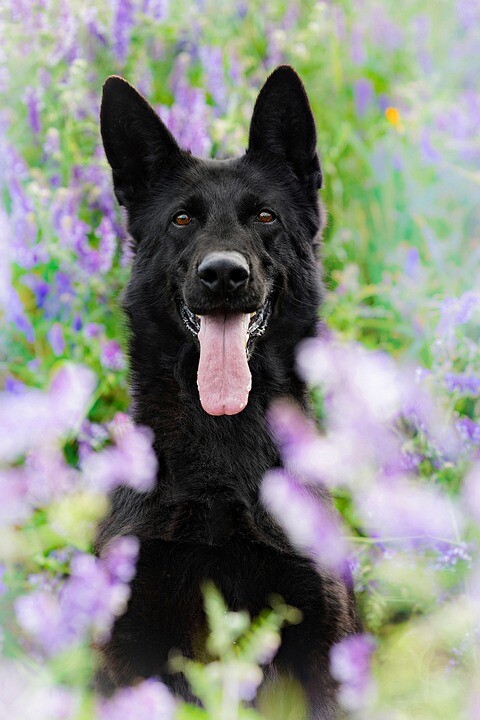
Loyal Guardians: 7 Amazing Traits of the Anatolian Shepherd
The Anatolian Shepherd is a majestic breed that combines strength, loyalty, and a gentle spirit. With origins tracing back over 6,000 years to Turkey, these dogs were primarily bred to guard livestock against predatory animals like wolves and bears. Known for their impressive size, the Anatolian Shepherd is not just a physical protector; they are devoted companions that form deep bonds with their families.
Overview of the Anatolian Shepherd
History and Temperament
The Anatolian Shepherd’s history is intertwined with the ancient shepherding cultures of Turkey. Initially bred by nomadic tribes, these dogs were valued for their ability to work independently, making decisions without constant human supervision. This trait remains one of their defining characteristics today.
Temperamentally, Anatolian Shepherds are intelligent, vigilant, and independent. They typically exhibit a calm demeanor but can be wary of strangers, making them excellent watchdogs. Their protective nature is balanced by a deep loyalty to their families, which makes them both loving companions and diligent guardians.
Personality Traits
Anatolian Shepherds possess several notable traits:
- Loyalty: They form strong bonds with their families, often becoming attached to one or two primary caregivers.
- Independence: While they enjoy company, they can handle situations on their own, making them less needy than some other breeds.
- Protectiveness: Their guarding instinct is strong, and they will defend their territory and loved ones when necessary.
- Intelligence: These dogs are quick learners, but their independence can sometimes translate to stubbornness.
- Gentleness: Despite their large size, they are often gentle with children and other pets.
- Calmness: They remain calm in various situations, which contributes to their effectiveness as both pets and working dogs.
- Playfulness: When engaged, they can be quite playful, providing a joyful presence in the home.
Grooming Needs
Grooming an Anatolian Shepherd is relatively straightforward. They have a thick double coat that requires regular brushing to reduce shedding, especially during seasonal changes. Bathing should be minimal unless they get particularly dirty, as over-bathing can strip their coat of essential oils. Regular checks for ear cleanliness and dental hygiene are also necessary for overall health.
Health Considerations
Anatolian Shepherds are generally healthy, with a life expectancy of around 10 to 12 years. However, like all breeds, they can be susceptible to certain health issues, including hip dysplasia, eye problems, and certain types of heart disease. It’s essential to have regular veterinary check-ups and maintain a balanced diet to keep them in good shape.
Suitability for Households
This breed is best suited for families with space and experience with dogs. They thrive in homes with large yards, and they require regular exercise to keep them physically and mentally stimulated. Anatolian Shepherds can adapt to various living situations but may struggle in smaller apartments. They also require training and socialization to ensure they grow into well-rounded adult dogs.
Tips for Training and Socializing
Training an Anatolian Shepherd involves patience and consistency.
Start Early: Begin training and socialization as early as possible. Expose your puppy to various environments, animals, and people to help them become well-adjusted adults.
Use Positive Reinforcement: This breed responds well to praise, treats, and encouragement. Avoid harsh punishment, as it can lead to fear and mistrust.
Establish Leadership: They respect strong, confident leaders. Be firm but fair in your commands, and set clear boundaries.
Continuous Education: Is there a specific behavior you want to address? Engaging them in activities like agility training or obedience classes can harness their intelligence and energy positively.
emotional support animals (ESA)
An emotional support animal (ESA) is a pet providing comfort and support to their owners experiencing emotional or mental health issues. Unlike service dogs trained for specific tasks, ESAs do not require specialized training. They simply offer companionship, which can be incredibly beneficial for emotional well-being.
Mental and Emotional Health Benefits
How Dogs and Cats Provide Comfort
Pets can significantly improve mental and emotional health. Studies have shown that having a pet can lead to lower levels of stress, anxiety, and depression.
- Companionship: Pets offer unconditional love and can reduce feelings of loneliness.
- Routine and Responsibility: Caring for a pet creates a daily routine, helping owners feel more structured and motivated.
- Physical Activity: Walking or playing with pets helps improve overall health and releases endorphins, which contribute to emotional well-being.
Real-life Examples
Consider Sarah, who struggled with anxiety. After adopting an Anatolian Shepherd named Max, her anxiety levels decreased. Max provided companionship and comfort during challenging times, offering her a sense of security.
Similarly, Jack, a college student, found it hard to manage stress. His cat, Bella, became his emotional support, snuggling up with him during study sessions and providing the comfort he needed to overcome academic pressures.
Key Information
- Breed: Anatolian Shepherd
- Origin: Turkey, over 6,000 years
- Traits: Loyal, independent, protective, intelligent, gentle, calm, playful
- Grooming Needs: Regular brushing, minimal bathing
- Health Considerations: Susceptible to hip dysplasia and eye problems
- Suitability: Best for experienced pet owners with space
- Training Tips: Early socialization, positive reinforcement, establish leadership
Science Behind Emotional Support
Research indicates that interacting with pets releases oxytocin, a hormone associated with bonding and love. This release can lead to reduced heart rates and lower stress levels. In the face of anxiety and loneliness, dogs and cats serve as stellar companions, significantly impacting their owners’ mental health.
FAQs about Emotional Support Animals
What qualifies a pet as an ESA?
- An ESA provides comfort and emotional support to individuals with mental or emotional difficulties. Documentation from a licensed mental health professional is generally required.
Can any pet be an ESA?
- Yes, while dogs and cats are the most common ESAs, other animals can qualify depending on their ability to provide emotional support.
Are ESAs allowed in housing with no-pet policies?
- Yes, under the Fair Housing Act, ESAs are allowed in housing that prohibits pets, but documentation may be required.
Do ESAs have special training?
- Unlike service dogs, ESAs do not require specific training but should be well-behaved and socially adjusted.
How can I get my pet certified as an ESA?
- You can obtain ESA documentation through licensed mental health professionals or specialized organizations like Veripaw.org.
Can ESAs travel with me?
- ESAs had more relaxed travel regulations; however, airlines have begun to restrict their policies. Always check with your airline before traveling.
How do I find a mental health professional to discuss ESAs?
- You can connect with licensed mental health professionals through platforms like Veripaw.org to discuss your eligibility for an ESA.
Can I train my pet to be an ESA?
- Yes, while special training is not required, basic obedience training can help your pet be a more effective emotional support companion.
Conclusion
The Anatolian Shepherd is a remarkable breed, offering unparalleled loyalty and protection. Coupled with the emotional support they provide, these dogs can significantly enhance the quality of life for their owners. If you believe that your pet could serve as an Emotional Support Animal, consider visiting Veripaw.org for a trusted resource helping pet owners connect with licensed mental health professionals and obtain ESA documentation. Since 2012, Veripaw has been connecting compassionate pet lovers with essential resources to enhance their pets’ roles as emotional support companions. Enjoy the joy and comfort of having a loyal guardian by your side!
Ready to register your animal?
Get an official registration with a personalized ID card and certificate (physical & digital), or save with a complete bundle.

