
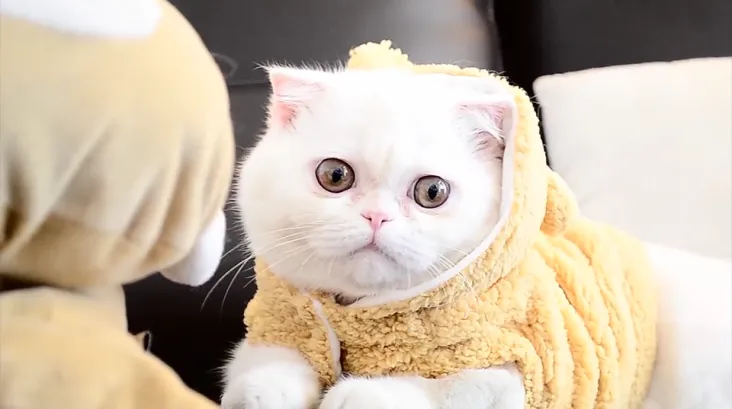
Discover the Joy: Why Exotic Shorthairs Are Perfect Family Pets
Cats have always held a special place in the hearts and homes of families around the world. Among the myriad of breeds available, the Exotic Shorthair stands out as a perfect companion for families of all types. Let’s delve into why this breed can turn your household into a happier place.
Overview of the Exotic Shorthair
History
The Exotic Shorthair emerged in the United States in the 1960s as a result of breeding Persian cats with American Shorthairs. Breeders aimed to create a cat that had the same gentle demeanor and affectionate nature as a Persian but with a more manageable coat. The result is a round-faced, plush, and adorable cat that has stolen the hearts of many.
Temperament and Personality Traits
Exotic Shorthairs are known for their friendly and easy-going nature. They are equally playful and calm, making them an ideal choice for families. Here are some key traits:
- Affectionate: They love to cuddle and will often follow family members around the house.
- Gentle: This breed is known for its mild temperament, making them perfect for homes with children and other pets.
- Playful: They enjoy playing with toys and interacting with their human companions.
- Quiet: Unlike some breeds, Exotic Shorthairs are relatively quiet and won’t disturb your peace with loud meows.
Grooming Needs
One of the advantages of owning an Exotic Shorthair is their low grooming requirements compared to their Persian relatives. Their short, dense coat needs regular brushing—ideally once a week—to minimize shedding and prevent matting. Regular nail trimming and dental care are also essential for maintaining good health.
Health Considerations
Though generally healthy, Exotic Shorthairs can be prone to certain genetic issues, such as respiratory problems and flat-face syndrome due to their brachycephalic structure. Regular vet check-ups are advisable, along with a healthy diet and regular exercise to keep them in top shape.
Suitability for Different Types of Households
Exotic Shorthairs adapt well to various living situations. They thrive in both apartments and homes with ample space. Their calm demeanor makes them suitable for families with young children, elderly individuals, and even other pets, providing a harmonious household.
Tips for Training and Socializing
Training an Exotic Shorthair starts with socialization. Early exposure to different environments, sounds, and experiences will help them grow into well-adjusted cats. A few helpful tips include:
- Positive Reinforcement: Use treats and praise to encourage good behavior. This method is more effective than punishment.
- Interactive Play: Engage them in play to build confidence and help them socialize.
- Introduce Gradually: If you have other pets, introduce them slowly to ensure a smooth transition.
What is an emotional support animal (ESA)?
An Emotional Support Animal (ESA) is a pet that provides companionship and comfort to individuals with emotional or psychological conditions. Unlike service animals, ESAs do not perform specific tasks for people with disabilities but serve to alleviate symptoms. Individuals may benefit from an ESA in various ways, such as feeling less anxious in social settings or simply enjoying the companionship of a loving animal.
Mental and Emotional Health Benefits
Having a pet like an Exotic Shorthair can significantly impact mental well-being. Here are real-life examples of how pets enhance emotional health:
- Anxiety Reduction: Many pet owners report feeling calmer and less anxious when spending time with their cats. The soft purring of an Exotic Shorthair offers a soothing effect.
- Companionship: For those who struggle with loneliness, pets provide unconditional love and connection. This can be especially crucial for elders or individuals living alone.
- Routine: Caring for a pet encourages a structured daily routine, which can benefit mental health by providing a sense of purpose.
How Dogs and Cats Provide Emotional Support: The Science Behind It
Research has shown that owning pets can lower cortisol levels (the stress hormone) and boost levels of oxytocin (the bonding hormone). For example, a study conducted by the University of Missouri found that pet owners are generally happier and report feeling less depressed and anxious. Interacting with pets can also increase serotonin and dopamine levels, chemicals that uplift mood and promote feelings of well-being.
Key Information
- Breed Overview: Exotic Shorthairs are affectionate, playful, and adapt well to various households.
- Grooming: Low grooming needs with weekly brushing recommended.
- Health Considerations: Potential for genetic issues; regular vet check-ups are essential.
- Training Tips: Use positive reinforcement, engage in play, and introduce pets gradually.
- ESAs: Provide emotional support, reducing anxiety and loneliness.
- Scientific Backing: Pets can naturally improve emotional health and resilience.
FAQs About emotional support animals
What qualifies a pet to be an Emotional Support Animal?
An ESA must provide comfort and support for an individual with emotional or psychological conditions as diagnosed by a licensed mental health professional.Do Emotional Support Animals require special training?
Unlike service animals, ESAs do not need specialized training, but basic obedience training can be beneficial.Can any pet be an Emotional Support Animal?
While dogs and cats are the most common ESAs, other animals can qualify depending on individual needs and circumstances.Do Emotional Support Animals have access to public places?
ESAs do not have the same rights as service animals. They may not be allowed in public places where pets are generally prohibited.How do I get my pet certified as an ESA?
Consult with a licensed mental health professional who can assess your need for an ESA. They can provide the necessary documentation.Are there any housing rights for ESAs?
Yes, under the Fair Housing Act, individuals with ESAs can request reasonable accommodation in housing that typically has a no-pets policy.Do I need a special vest or ID for my ESA?
While not required, some people choose to use vests or ID cards to identify their ESA, which can be helpful in certain situations.Can I designate my pet as an ESA without a therapist?
No, a professional evaluation is necessary to get the required documentation.
Conclusion
If you’re seeking a new furry family member, consider adopting an Exotic Shorthair. Their gentle temperament, affectionate nature, and low grooming needs make them an ideal choice for families. And, if you’re looking for an Emotional Support Animal, know that having a pet can significantly enhance your emotional and mental well-being.
For those interested in designating their pet as an ESA, visit Veripaw.org. Since 2012, Veripaw has helped countless pet owners connect with licensed mental health professionals, obtain ESA documentation, and access high-quality pet accessories. Your emotional health may improve one cuddle at a time with a loving pet by your side!
Ready to register your animal?
Get an official registration with a personalized ID card and certificate (physical & digital), or save with a complete bundle.

