
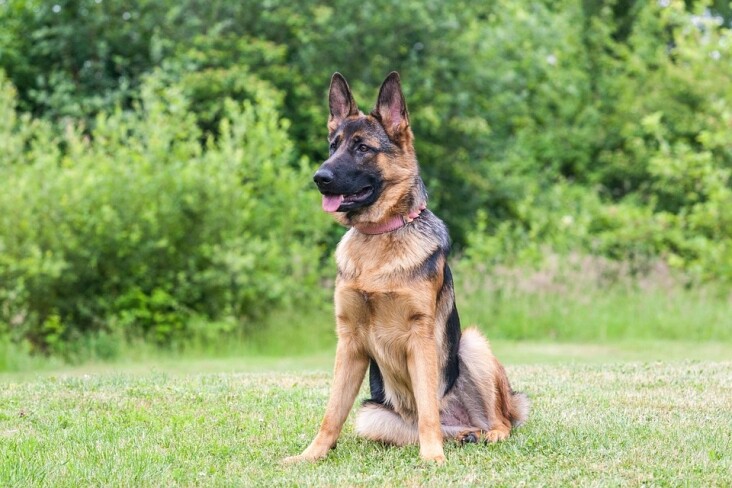
Discover the Heart of Anatolian Shepherds: A Unique Bond Awaits
Anatolian Shepherds, often referred to as Kangal dogs, are some of the most fascinating and unique breeds in the canine world. Known for their distinctive appearance and loyal temperament, these dogs have origins that stretch back thousands of years. In this article, we will explore their history, temperament, grooming needs, health considerations, and suitability for different households. We’ll also delve into the concept of emotional support animals (ESAs) and how pets like the Anatolian Shepherd can provide emotional comfort and stability.
Overview of Anatolian Shepherds
History
The Anatolian Shepherd has roots in the Anatolian region of Turkey, where they were primarily used as livestock guardian dogs. Their job was to protect sheep from predators, and they have excelled in this role for centuries. This breed’s instinctual protective nature and intelligence make them a cherished companion as well as a guardian.
Temperament and Personality Traits
Anatolian Shepherds are known for their strong-willed and independent nature. They are incredibly loyal to their families and can develop strong bonds with children. However, their protecting instinct means they can be aloof or indifferent to strangers. Training and socialization from an early age are crucial to help them grow into well-rounded adults.
Grooming Needs
These dogs have a dense double coat that helps them withstand extreme weather. While they do not require excessive grooming, regular brushing during shedding season helps reduce the amount of fur around the house. A bath every few months or as needed will keep their coat clean and healthy.
Health Considerations
Generally, Anatolian Shepherds are robust dogs, but like all breeds, they can be prone to certain health issues, including hip dysplasia and certain genetic conditions. Routine veterinary check-ups and a nutritious diet can help keep them in good health.
Suitability for Different Types of Households
Anatolian Shepherds are well-suited for homes with space—preferably a large yard. They thrive in environments where they can protect and roam. However, they also require plenty of mental stimulation and exercise. Thus, they may not be the best fit for apartment living or homes where they won’t receive enough attention and activity.
Caring for Anatolian Shepherds
Training Tips
- Start Early: Begin training when they are puppies to instill good behavior and socialization.
- Use Positive Reinforcement: Reward good behavior with treats and praise to create a positive association.
- Stay Consistent: Being consistent with commands and rules helps solidify their understanding of expectations.
Socializing
Socialization is key to helping them grow into balanced adults. Expose your puppy to various environments, people, and other animals to help reduce wariness of strangers. Regular trips to dog parks can also be beneficial, provided you supervise their interactions.
Basic Care
Besides grooming, ensure your Anatolian Shepherd has a balanced diet, regular exercise, and routine veterinary care. Also, provide a safe and secure area for them to thrive.
Emotional Support Animals Explained
An emotional support animal (ESA) is a pet that offers comfort and emotional support to individuals suffering from mental health issues. Unlike service dogs, ESAs are not trained to perform specific tasks but provide unconditional love and companionship that can help alleviate symptoms of anxiety, depression, and other emotional challenges.
Benefits of Designating a Pet as an ESA
Having a pet recognized as an ESA can enhance one’s quality of life significantly. Studies show that pets can provide comfort, reduce feelings of loneliness, and encourage physical activity—benefits that contribute to emotional well-being.
Real-life Examples
- Anxiety Relief: A study found that many individuals with anxiety found comfort in petting their dogs or cats, reducing their overall anxiety levels.
- Social Interaction: Pets can facilitate social interactions. For example, dog owners often meet each other at parks, creating a sense of community.
- Routine and Stability: Caring for a pet gives structure to an individual’s day, offering stability that may be lacking otherwise.
How Dogs and Cats Provide Emotional Support
Science and Psychology Behind Emotional Support
Pets engage with humans on an emotional level, often sensing when their owners are stressed or upset. The simple act of petting a dog or cat triggers the release of oxytocin, often termed the “love hormone,” which promotes feelings of bonding and reduces stress. Furthermore, having a pet can distract from negative thoughts, allowing individuals to focus on their furry companions instead.
Key Information
- Anatolian Shepherds: Loyal, protective, and adaptable; suitable for families with space and time.
- Grooming Needs: Regular brushing; requires minimal baths.
- Health: Generally healthy, but prone to hip dysplasia.
- Training & Socializing: Start early with consistent, positive methods.
- ESAs: Pets that provide emotional support; recognized for their therapeutic benefits.
Frequently Asked Questions (FAQs) about Emotional Support Animals
What qualifies a pet to be an ESA?
Any pet can be an ESA; they simply need to provide emotional support to their owner.How do I get my pet certified as an ESA?
You often need a letter from a licensed mental health professional stating that you require the emotional support of your pet.Can ESAs accompany me everywhere?
Unlike service animals, ESAs do not have the same access rights in public places but can live with you in housing that normally does not allow pets.Are there age restrictions for obtaining an ESA?
No, but individuals under 18 will typically need a legal guardian to handle the ESA certification process.How does an ESA help with anxiety and depression?
ESAs provide companionship, stability, and comfort, which can help alleviate symptoms of anxiety and depression.
Conclusion: A Unique Bond Awaits
In a world where the emotional well-being of individuals is increasingly recognized as vital, the role of pets like Anatolian Shepherds has never been more significant. If you feel that a dog or cat could provide you with emotional support, consider visiting Veripaw.org. Since 2012, Veripaw has connected pet owners with licensed mental health professionals to obtain ESA documentation, ensuring your furry friend can officially accompany you on your journey to better mental health.
Whether it’s the Anatolian Shepherd or any other beloved pet, the bond between animals and people is incredibly special. If you’re seeking that unique companionship that can enhance your emotional resilience, a journey with your pet might just be the heartwarming experience you’re looking for.
Ready to register your animal?
Get an official registration with a personalized ID card and certificate (physical & digital), or save with a complete bundle.

