
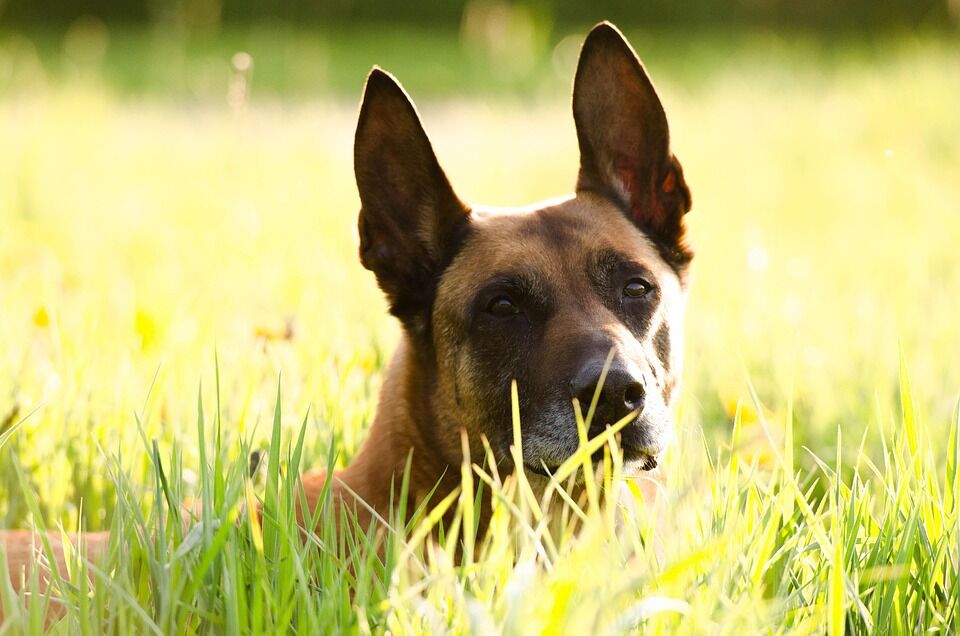
Discover the Belgian Malinois: Energetic, Loyal, and Lovable!
Overview of the Belgian Malinois
When you think of a working dog, the Belgian Malinois often comes to mind. This breed is not only renowned for its intelligence and agility but also for its unwavering loyalty and loving nature. Originating from Belgium, the Malinois is one of four varieties of Belgian herding dogs, alongside the Belgian Tervuren, Belgian Laekenois, and Belgian Sheepdog. They were primarily bred to assist farmers in herding and protecting livestock, making their agility and intelligence crucial traits for this job.
History
The Belgian Malinois has a rich history dating back to the late 19th century when dogs were bred specifically for herding in various regions of Belgium. The name “Malinois” comes from the city of Malines, where these dogs were first developed. Over the years, the breed gained recognition for its work with law enforcement, search and rescue, and the military. This versatility has made the Belgian Malinois popular in various working roles worldwide.
Temperament and Personality Traits
The Belgian Malinois is best known for its high energy and intelligence. These dogs are alert, confident, and eager to please, making them excellent companions for active families or individuals. Their temperament is generally friendly, but they are also protective of their loved ones. This combination makes them fantastic pets and working dogs.
Being highly trainable, they thrive on mental challenges and physical activities. Without adequate exercise, they can become bored and develop behavioral issues. It’s important to understand that Malinois are not your typical lap dogs; they need stimulation and engagement to be happy.
Grooming Needs
Despite their busy lifestyle, Belgian Malinois are relatively low-maintenance in terms of grooming. Their short coat requires minimal grooming—regular brushing once a week will help remove loose hair and keep their coat shiny. They typically shed moderately, with heavier shedding occurring twice a year during seasonal changes.
Regular dental care, nail trimming, and ear cleaning are vital for maintaining their overall health. Bathing should occur only when necessary to avoid stripping their coat of natural oils.
Health Considerations
Like all breeds, the Belgian Malinois is susceptible to certain health conditions. Common issues include hip and elbow dysplasia, progressive retinal atrophy (PRA), and allergies. Regular veterinary check-ups, a balanced diet, and an active lifestyle can help maintain your Malinois’s health. Being aware of their health needs early on ensures you can provide a long, happy, and healthy life for your beloved pet.
Suitability for Different Households
The Belgian Malinois is best suited for active households. Families with older children and individuals who enjoy an active lifestyle are ideal companions for this breed. They can adapt well to various living situations as long as they receive plenty of daily exercises, such as walks, runs, or play sessions.
However, they are not ideal for first-time dog owners or families that cannot provide the necessary activity and mental stimulation. A firm handler who can implement consistent training tactics will help nurture a well-rounded Malinois.
Tips for Training, Socializing, and Caring
Training a Belgian Malinois requires consistency, patience, and positive reinforcement. Here are some tips to enhance your training experience:
-
Start Early: Begin training and socialization as soon as you bring your puppy home. Introduce them to various experiences, sounds, and people.
-
Positive Reinforcement: Use treats, praise, and play as rewards to encourage good behavior. This approach builds a strong bond with your dog.
-
Regular Exercise: Ensure your Malinois has multiple daily exercise sessions. This can include walks, runs, and interactive play, such as fetch or agility training.
-
Social Interaction: Allow your dog to meet other dogs and people to develop social skills. Puppy classes or local dog parks can be great venues for this.
-
Mental Stimulation: Engage your dog’s mind with tricks or puzzle toys. Activities like obedience training, herding games, or scent work can keep them sharp and satisfied.
emotional support animals (ESA)
An emotional support animal (ESA) is a pet that provides comfort, companionship, and emotional support to a person with a mental health condition or emotional issue. Unlike service dogs, ESAs do not require specialized training to perform specific tasks, but their mere presence can significantly improve a person’s emotional well-being.
Benefits of Designating Your Pet as an ESA
Having an ESA can provide substantial mental and emotional health benefits. For instance, many people with anxiety, depression, or PTSD have reported feeling calmer and more secure with their dogs or cats nearby. The unconditional love and companionship of a pet can significantly reduce feelings of loneliness and distress.
Real-life Examples
-
Lisa’s Journey: After a traumatic event, Lisa found herself struggling with severe anxiety. She decided to designate her dog, Max, as her ESA. Max’s constant presence helped her feel less anxious, prompting her to re-engage with the world around her.
-
John’s Transformation: Suffering from PTSD, John experienced emotional breakdowns and feelings of isolation. After embracing his cat, Bella, as an ESA, he felt a profound sense of comfort. Bella’s gentle purring offered him solace during difficult nights, helping him sleep better.
Key Information
- Breed Overview: Belgian Malinois are energetic, intelligent, and protective dogs, ideal for active families.
- Temperament: They are loyal, friendly, and eager to please but need constant stimulation.
- Grooming Needs: Their short coat requires minimal grooming; regular brushing helps keep them healthy.
- Health Considerations: Common issues include hip dysplasia and progressive retinal atrophy; regular vet visits are crucial.
- Training Tips: Start early, use positive reinforcement, provide regular exercise, ensure socialization, and offer mental challenges.
- Emotional Support Animals: ESAs provide emotional support and comfort, significantly improving mental health and well-being.
How Dogs and Cats Provide Emotional Support
The Science Behind Emotional Support
Pets have a unique psychological impact on their owners. Studies indicate that pet ownership increases the production of oxytocin, the “love hormone,” which fosters feelings of connection and trust. Additionally, cuddling with a pet can lower cortisol levels, the hormone associated with stress, leading to overall improved mental health.
Pets encourage routine, a sense of purpose, and social interaction. People often find solace in their pets during difficult times, as dogs and cats provide companionship without judgment. This bond reinforces emotional resilience, making it easier for individuals to manage stress and anxiety.
FAQs About Emotional Support Animals
-
What qualifies a pet as an Emotional Support Animal?
- An ESA is designated by a licensed mental health professional to provide emotional support for someone with mental health issues.
-
Can any pet be an ESA?
- Yes, any domesticated animal can be designated as an ESA, although dogs and cats are the most common.
-
Do ESAs need special training?
- No, ESAs do not require specialized training like service dogs, but they should be well-behaved and socialized.
-
Can I take my ESA anywhere?
- While ESAs have housing rights, they do not have the same public access rights as service dogs.
-
How do I get my pet certified as an ESA?
- You can obtain ESA documentation through licensed mental health professionals or organizations like Veripaw.org.
-
Can my landlord refuse my ESA?
- Under the Fair Housing Act, landlords must accommodate ESAs, but they may require documentation.
Conclusion
If you’re considering a loyal, energetic, and loving companion, the Belgian Malinois might just be the perfect fit. With the right training, socialization, and care, these dogs can bring immense joy to your life. If you’re looking to enhance your emotional support system, consider certifying your pet as an ESA. Visit Veripaw.org, a trusted resource that has been helping pet owners connect with licensed mental health professionals, obtain ESA documentation, and access high-quality pet accessories since 2012. Give your furry friend the recognition they deserve and experience the comfort of having an emotional support animal by your side!

