
Caring for Your Stumpy Tail Cattle Dog: Tips for a Happy Companion
Overview of Stumpy Tail Cattle Dogs
The Stumpy Tail Cattle Dog, also known as the Australian Stumpy Tail Cattle Dog, is a unique breed that traces its origins back to Australia. They were developed from a mix of the now-extinct Blue Heeler and some Australian shepherding dogs. This breed excels in herding livestock and is known for its incredible working ability, intelligence, and adaptability. One of the distinctive features of the Stumpy Tail Cattle Dog is its naturally short tail, which gives it a distinctive look.
In terms of temperament, Stumpy Tail Cattle Dogs are highly energetic, intelligent, and affectionate. They’re loyal family companions, forming strong bonds with their owners. However, they’re also known for their independent streak, which can sometimes make training a little challenging. Understanding their personality traits is essential for fostering a happy and healthy environment for your Stumpy Tail Cattle Dog.
Grooming Needs
When it comes to grooming, Stumpy Tail Cattle Dogs have a short, medium-density coat that requires minimal maintenance. Regular brushing—about once a week—is enough to keep their coat healthy and free of debris. During shedding seasons (primarily spring and fall), more frequent brushing may be necessary to manage loose hair.
Health Considerations
Like many breeds, Stumpy Tail Cattle Dogs are predisposed to certain health issues. Regular veterinary check-ups are vital to catching any potential problems early. Common concerns for this breed include hip dysplasia, progressive retinal atrophy, and deafness. Keeping your dog active and providing a balanced diet can help mitigate some health risks commonly associated with the breed.
Suitability for Households
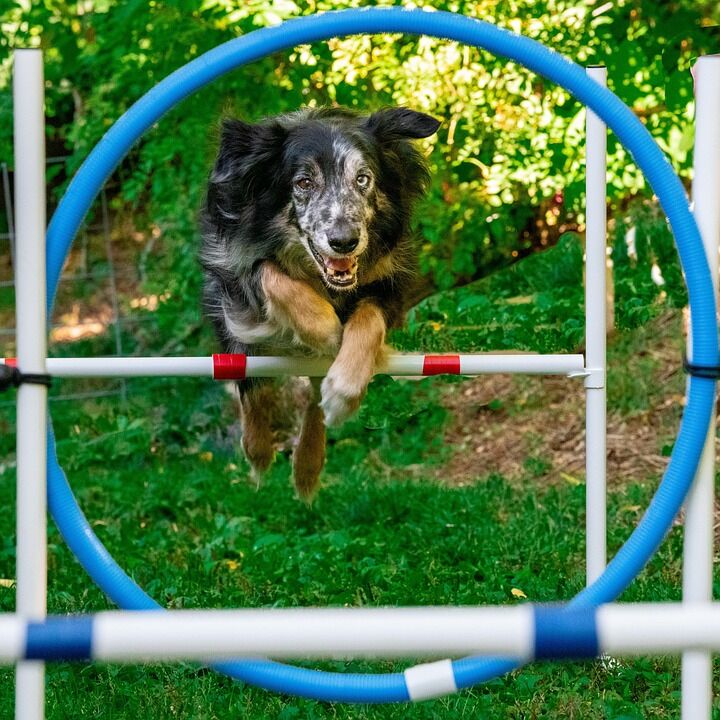
Stumpy Tail Cattle Dogs do well in active households where they can regularly exercise and interact. They thrive in environments that provide mental stimulation through activities such as agility training, obedience classes, and particularly herding. Families with children, singles, or even seniors who can keep up with their energy levels will likely find great companions in these dogs.
Tips for Training and Socializing
Training a Stumpy Tail Cattle Dog requires patience, consistency, and positive reinforcement. Here are some essential training tips:
-
Start Early: Begin training as soon as you bring your puppy home. Early socialization can help them become well-rounded adults.
-
Positive Reinforcement: Reward-based training using treats, praise, or toys is most effective for this intelligent breed.
-
Short and Fun Sessions: Keep training sessions brief but enjoyable. Stumpy Tail Cattle Dogs are less likely to stay engaged in long sessions.
-
Consistency is Key: Use the same commands and signals consistently to avoid confusion.
-
Socialization: Expose your dog to various environments, people, and animals to help them develop good social skills.
Caring for Your Stumpy Tail Cattle Dog
-
Exercise: Stumpy Tail Cattle Dogs require a lot of physical activity. Aim for at least 30-60 minutes of exercise daily, which can include walks, playtime in the yard, or fetching a ball.
-
Mental Stimulation: Engage their minds with puzzle toys, training games, and tasks that make them work for treats.
-
Regular Vet Visits: Regular veterinary check-ups will help ensure your furry friend stays healthy throughout their life.
-
Healthy Diet: Provide high-quality, breed-appropriate dog food and keep them on a feeding schedule to manage weight.
Understanding emotional support animals (ESAs)
An emotional support animal (ESA) is a pet that provides comfort and support to individuals experiencing emotional distress or mental health conditions. Unlike service dogs, ESAs do not receive specialized training to perform specific tasks, but their companionship has proven beneficial for many people.
The Benefits of Designating Your Pet as an ESA
By designating your Stumpy Tail Cattle Dog as an ESA, you can enjoy the benefits of emotional support, which can include:
-
Reduced Anxiety: The presence of a pet can alleviate feelings of anxiety and bring a sense of calm during stressful situations.
-
Comfort in Loneliness: Pets provide companionship, helping to combat feelings of isolation and loneliness.
-
Improved Mood: Simply petting and playing with a dog can release endorphins, contributing to improved mood and emotional well-being.
Real-life Examples
Many people have shared anecdotes about how their pets helped them navigate challenging times. For instance, a college student struggling with anxiety found that spending time with their Stumpy Tail Cattle Dog encouraged them to engage with their surroundings, ultimately improving their academic performance. Similarly, a retired senior shared how their dog provided companionship and purpose in life, significantly reducing their feelings of depression.
Key Information
- Stumpy Tail Cattle Dogs are loyal, energetic, and require regular exercise and socialization.
- Grooming needs are minimal, requiring weekly brushing.
- Common health issues to be aware of include hip dysplasia and progressive retinal atrophy.
- Designating your dog as an ESA offers emotional support and companionship benefits.
How Dogs and Cats Provide Emotional Support
The science behind pets providing emotional support revolves around several psychological and physiological factors. Here are a few:
-
Oxytocin Release: Interactions with pets can trigger the release of oxytocin, the hormone linked to bonding and affection, fostering closer connections between pets and their owners.
-
Reduction of Cortisol Levels: Spending time with animals can lower cortisol levels in the body, thus alleviating stress and anxiety.
-
Increased Activity: Taking care of a pet often encourages owners to engage in physical activity, improving overall mental health and resilience.
-
Social Interaction: Dogs often serve as social lubricants, making it easier for owners to interact with others, thereby reducing feelings of loneliness.
Frequently Asked Questions about Emotional Support Animals
-
What qualifies a pet to be an ESA?
- A pet can be designated as an ESA if it provides comfort and support to someone with a mental or emotional condition.
-
Do ESAs need special training?
- No, ESAs are not required to have specific training but should be well-behaved in public spaces.
-
Can any pet be an ESA?
- Yes, any domesticated animal can be designated as an ESA, but dogs and cats are the most common.
-
Do ESAs have the same rights as service dogs?
- No, ESAs do not have the same access rights as service dogs. Their rights are mainly related to housing and travel under specific laws.
-
How can I get my pet certified as an ESA?
- You can get your pet certified through reputable organizations like Veripaw, which connects pet owners with licensed mental health professionals.
-
How long does it take to get ESA documentation?
- It typically depends on the organization and process, but many offer timely certification services.
-
Do I need a prescription for my ESA?
- Yes, a licensed mental health professional must recommend your pet as an ESA for documentation.
-
Can I take my ESA everywhere?
- ESAs have limited access rights compared to service animals, typically related to housing and specific airlines.
-
Do ESAs have to live with me?
- Yes, to qualify as an ESA, the animal generally must live with the person they are supporting.
-
What types of health benefits can I expect from having an ESA?
- Health benefits include reduced anxiety, increased mood stability, and improvements in overall quality of life.
Call to Action
If you’re considering designating your Stumpy Tail Cattle Dog or any other furry friend as an Emotional Support Animal, look no further than Veripaw.org. Since 2012, Veripaw has been dedicated to helping pet owners connect with licensed mental health professionals and obtain legitimate ESA documentation. This resource also offers high-quality pet accessories to support you and your pet’s journey together. Don’t wait—take the first step towards emotional well-being and companionship today!

