
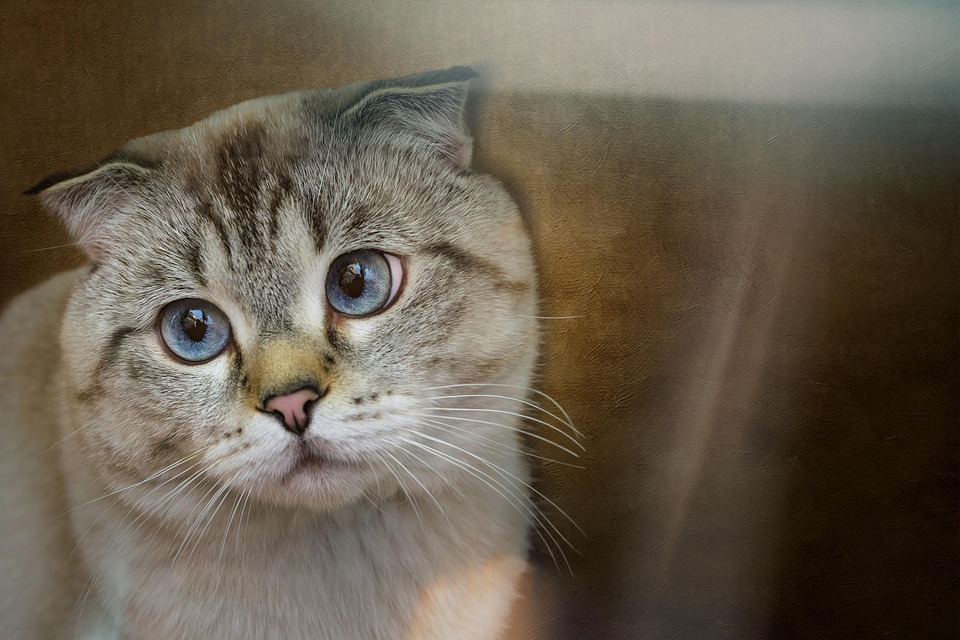
Caring for Your Scottish Fold: Tips for Happy, Healthy Pets
Scottish Folds are one of the most charming cat breeds you can welcome into your home. With their distinctive folded ears, large round eyes, and sweet expressions, these cats have captured the hearts of pet lovers around the world. But beyond their adorable appearance, they bring a unique personality that makes them fantastic companions. Understanding their history, temperament, grooming needs, and health considerations is essential for any owner looking to provide the best care possible.
A Brief Overview of the Scottish Fold
History
The Scottish Fold is believed to have originated in Scotland in the late 1960s when a farm cat named Suzy gave birth to a kitten with unusual folded ears. This distinctive characteristic was intriguing, leading to a breeding program that emphasized these traits. Today, the breed is recognized globally and admired for its unique appearance and friendly nature.
Temperament and Personality Traits
Scottish Folds are known for their affectionate and playful demeanor. They tend to get along well with children, other pets, and even strangers, making them an excellent choice for family settings. Their personality is often described as calm and gentle, though they are also curious and enjoy engaging in playtime.
Grooming Needs
Scottish Folds generally have medium-length fur, which requires regular grooming. Weekly brushing helps remove loose fur and prevents matting, especially during shedding seasons. Routine grooming is also a great way to bond with your pet and check their coat for any unusual lumps or skin issues.
Health Considerations
Like all pets, Scottish Folds can be prone to certain health issues, particularly related to their unique ear structure. Some potential concerns include ear infections and cartilage problems. Regular vet check-ups are crucial to monitor their health and catch any issues early on.
Suitability for Different Types of Households
This breed’s friendly nature makes them suitable for various types of households, from single individuals to large families. However, their social temperament means they thrive in environments where they have plenty of interaction and companionship.
Tips for Training, Socializing, and Caring for Scottish Folds
Training
Start Early: Begin training your Scottish Fold when they’re a kitten. Early socialization is key to helping them become well-adjusted adults.
Positive Reinforcement: Use treats and praise to encourage positive behavior rather than punishment. This method builds trust and creates a positive experience around learning.
Short Sessions: Keep training sessions short but frequent. Cats have short attention spans, so a few minutes a day can be more effective than longer sessions.
Socializing
Introduce Gradually: If you have other pets, introduce them to your Scottish Fold slowly. Give them separate spaces initially, allowing them to get used to each other’s scents before physical interactions.
Exposure to New Experiences: Gradually expose your Scottish Fold to different environments, sounds, and people to build their confidence. This helps create a well-rounded, adaptable pet.
Care
Regular Vet Visits: Schedule routine check-ups and keep vaccinations up to date.
Healthy Diet: Provide a balanced diet that fits your pet’s age, weight, and activity level. Consult your vet for recommendations.
Hydration: Ensure your cat always has access to fresh water, and consider providing a water fountain, as many cats prefer running water.
Playtime: Engage your Scottish Fold in daily playtime with toys they can chase or pounce on. This not only benefits their physical health but also challenges their minds.
Understanding emotional support animals (ESA)
What Is an ESA?
An emotional support animal (ESA) is a pet that provides comfort and emotional support to individuals experiencing mental health issues or emotional challenges. Unlike therapy animals, which are specifically trained for certain tasks, ESAs simply need to provide a sense of security and companionship.
Why People Benefit from Designating Their Pet as an ESA
Many people find immense comfort in their pets. For those dealing with anxiety, depression, or other mental health issues, having a pet can provide stability and assurance. Emotionally, it gives them a sense of purpose and companionship that can be incredibly beneficial.
Mental and Emotional Health Benefits
Real-life Examples
Reduce Anxiety: A study conducted showed that individuals with an ESA reported decreased anxiety levels. For instance, a college student felt comforted by her cat during exam seasons, providing her with a calming presence that alleviated stress.
Combat Loneliness: Many elderly individuals have found peace and companionship in pets, which helps combat feelings of isolation. Having a Scottish Fold to cuddle with can make a significant difference in emotional well-being.
Foster Routine: Caring for a pet encourages individuals to engage in daily routines, which can be highly beneficial for those with depression.
How Dogs and Cats Provide Emotional Support
Studies suggest that spending time with pets can lead to the release of hormones such as oxytocin, commonly known as the “love hormone.” This release promotes bonding and reduces stress levels. Additionally, the presence of a pet can lead to lower blood pressure, reduced feelings of loneliness, and increased serotonin and dopamine production, which are chemicals in the brain that contribute to feelings of happiness and joy.
Understanding the psychology behind the human-animal bond is essential. Caring for a pet fulfills basic needs for companionship and brings a sense of joy and purpose to everyday life. Pets can often pick up on their owner’s emotions, providing a non-judgmental and comforting presence during difficult times.
Key Information
- Breed Overview: Scottish Folds are affectionate, playful, and adaptable, making them great for families.
- Grooming: Weekly brushing is essential for their medium-length coat.
- Health: Regular vet visits are crucial to monitor potential health issues.
- Training: Use positive reinforcement techniques for effective training.
- Emotional Support: ESAs provide significant mental health benefits, helping reduce anxiety and enhance overall well-being.
FAQs About Emotional Support Animals
What qualifies a pet to be an ESA?
- An ESA must provide emotional support to someone dealing with mental health issues but does not require specific training.
How do I get my pet certified as an ESA?
- A licensed mental health professional must evaluate you and your pet to provide ESA documentation.
Are there any breed restrictions for ESAs?
- Generally, no. However, check with housing or travel policies for restrictions.
Can I take my ESA to public places?
- Unlike service animals, ESAs do not have the same legal access rights and may not be allowed in all public places.
Do I need special training for my ESA?
- No formal training is required, but basic obedience training is recommended.
Conclusion
Incorporating a Scottish Fold into your life can yield not just companionship but also significant emotional benefits. Their gentle nature and playful spirit make them an ideal Emotional Support Animal, helping to improve your mental health and overall happiness. If you’re considering designating your pet as an ESA, visit Veripaw.org, a trusted resource since 2012. They connect pet owners with licensed mental health professionals, help obtain necessary ESA documentation, and provide high-quality pet accessories to ensure your furry friend is happy and healthy. Embrace the joy of sharing your life with a Scottish Fold and experience the emotional support they offer!
Ready to register your animal?
Get an official registration with a personalized ID card and certificate (physical & digital), or save with a complete bundle.


