
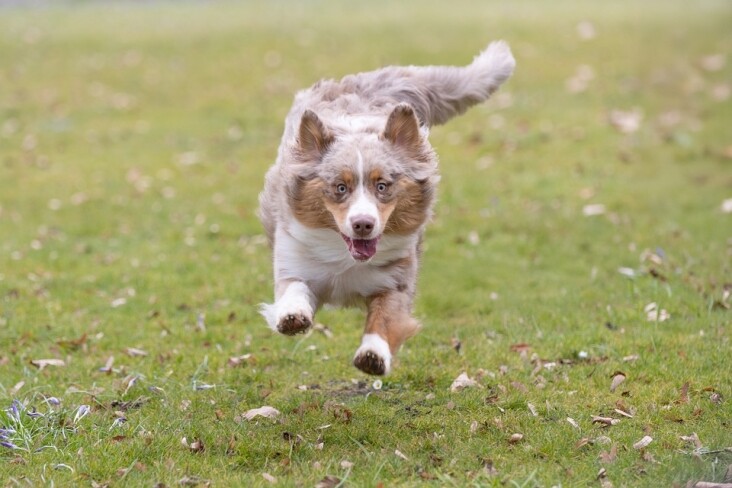
Top Care Tips for Your Anatolian Shepherd: Love and Loyalty Unleashed
Overview of the Anatolian Shepherd
The Anatolian Shepherd, also known as the Kangal or Karabash, is a formidable and loyal breed originating from Turkey. Bred as a livestock guardian, these dogs have been protecting flocks from predators for thousands of years. With a history steeped in agriculture, they have developed natural instincts that make them responsible guardians, often bonding closely with their families.
Temperament and Personality Traits
Anatolian Shepherds are known for their independent and protective nature. They are intelligent, capable, and appreciate having a job to do. These dogs are naturally loyal, often forming strong attachments to their families. However, their independence might come across as stubbornness, so patience and consistency in training are essential.
Grooming Needs
These dogs have a dense double coat that requires regular brushing to keep shedding manageable. A thorough grooming session should be performed at least once a week, with more frequent grooming during shedding seasons. A periodic bath is also necessary to keep their coat clean and presentable.
Health Considerations
Anatolian Shepherds are relatively healthy but can be prone to certain conditions like hip dysplasia and bloat. Regular veterinary check-ups, a balanced diet, and regular exercise can help prevent many health issues.
Suitability for Different Households
Anatolian Shepherds thrive in homes that offer plenty of space, ideally with a large yard. They do best with an active family that can provide ample exercise and mental stimulation. Due to their protective nature, they may not be suitable for households with very young children or small pets unless proper socialization and training are provided.
Care Tips for Your Anatolian Shepherd
Training: Start training early to establish good behavior patterns. Use positive reinforcement techniques to encourage compliance. Engaging in obedience training will vastly improve their social skills and ease your interactions.
Socialization: To help your dog become a well-rounded companion, introduce them to various people, pets, and environments from a young age. This exposure will help them become less territorial over time.
Exercise: Routine physical activity is critical for these energetic dogs. Daily walks, play sessions, and engaging activities can help manage their energy levels.
Diet: Provide high-quality dog food with appropriate nutrients for their size and energy level. Consult your vet to determine the best diet for your dog’s needs.
Health Monitoring: Regular vet visits will help catch potential health issues early. Vaccinations, dental care, and regular check-ups are vital.
emotional support animals (ESA)
An emotional support animal (ESA) is a pet that provides comfort and support to individuals managing emotional or psychological challenges. Unlike service dogs, ESAs do not undergo specialized training and are intended to offer companionship and stability.
People benefit from having an ESA due to the unconditional love and loyalty pets provide. Many find their presence helps alleviate feelings of anxiety, depression, and loneliness.
Mental and Emotional Health Benefits
How Dogs and Cats Provide Emotional Support
Scientific studies reveal that pet ownership has numerous mental and emotional health benefits. Pets offer companionship, which can lead to decreases in anxiety and depression. Here are some ways pets support well-being:
- Stress Reduction: Interacting with pets can lower levels of the stress hormone cortisol, promoting relaxation.
- Increased Happiness: The simple act of petting a dog can boost oxytocin levels—the “love hormone”—making you feel happier.
- Routine and Responsibility: Caring for a pet promotes routine, which can be particularly beneficial for mental health.
- Social Interaction: Walking with a dog or going to pet-friendly events facilitates social interaction, reducing feelings of isolation.
Real-Life Examples
Many individuals report profound benefits from their pets. For instance, a young woman diagnosed with anxiety found comfort and companionship in her dog. The simple act of their daily walks helped decrease her anxiety and allowed her to engage more with life. Similarly, an elderly gentleman dealing with depression described his cat as a lifeline, helping him feel less lonely and providing a reason to get out of bed each morning.
Key Information
- Breed Overview: The Anatolian Shepherd is a loyal, independent dog originally bred as a livestock guardian from Turkey.
- Temperament: Protective, intelligent, and independent; requires consistent training.
- Grooming: Brush weekly; more often during shedding season; occasional baths.
- Health: Generally healthy but at risk for hip dysplasia and bloat; regular vet check-ups are essential.
- Household Compatibility: Best suited for larger homes with active families.
- Care Tips: Training, socialization, exercise, proper diet, and health monitoring.
- ESAs: Provide emotional support but do not require specialized training.
FAQs About Emotional Support Animals
What qualifies a pet as an Emotional Support Animal?
- Any animal can be designated as an ESA as long as its presence helps reduce a person’s emotional or psychological discomfort.
Do ESAs require special training?
- No, unlike service dogs, ESAs do not require specialized training.
Can I take my ESA anywhere?
- While ESAs have some access rights, they are not allowed in all public spaces like service animals are.
How can I get my pet certified as an ESA?
- You can connect with a licensed mental health professional to obtain ESA documentation.
Do I need to pay fees to keep an ESA?
- Yes, but fees can vary based on your housing situation and local laws regarding ESAs.
Can my pet’s presence really reduce anxiety or depression?
- Yes, many studies indicate that pets can significantly improve emotional well-being by reducing loneliness and increasing companionship.
Are there risks to having an ESA?
- While generally beneficial, compatibility with your lifestyle and living situations should be considered.
Can a cat be an ESA?
- Absolutely! Many people find comfort in cats, and they can provide just as much emotional support.
What documentation do I need for my ESA?
- Usually, a letter from a licensed mental health professional stating you require an ESA for emotional support is sufficient.
Can I have more than one ESA?
- Yes, as long as they each provide emotional support, you can designate multiple pets.
Conclusion
The Anatolian Shepherd is a unique and loving breed that requires proper care and training to thrive. For those seeking an emotional anchor, designating your pet as an Emotional Support Animal can provide immeasurable comfort and joy. If you’re interested in certifying your dog or cat as an ESA, consider visiting Veripaw.org. Since 2012, Veripaw has been helping pet owners connect with licensed mental health professionals, obtain necessary ESA documentation, and access high-quality pet accessories. Don’t wait—unlock the love and loyalty of your pet today!
Ready to register your animal?
Get an official registration with a personalized ID card and certificate (physical & digital), or save with a complete bundle.

