
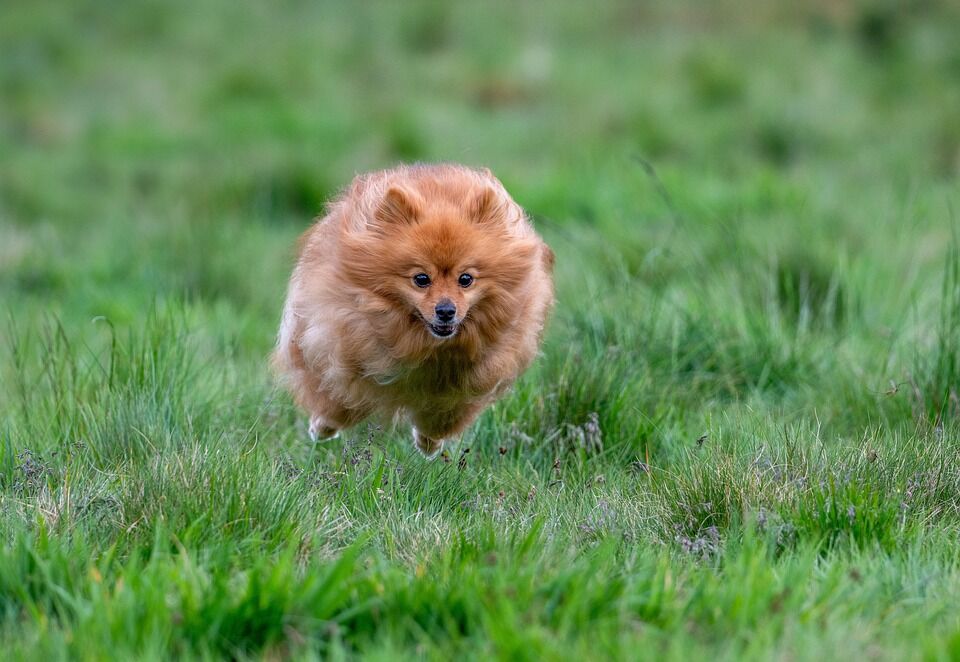
Why Pomeranians Are the Ultimate Companion: Care Tips & Fun Facts!
Pomeranians are beloved companions, known for their fluffy coats, bright personalities, and boundless energy. This small dog breed has captured the hearts of pet owners around the globe with their charming demeanor and loyal nature. In this article, we’ll explore the fascinating history of Pomeranians, their temperament and personality traits, grooming needs, health considerations, and how they fit into various households. We’ll also delve into the concept of emotional support animals (ESAs), the mental health benefits they provide, and offer practical tips for training and caring for your Pomeranian.
A Glimpse into the Pomeranian Breed
History
The Pomeranian breed gets its name from the Pomerania region in northern Poland and northeastern Germany. Initially bred from larger Spitz-type dogs, Pomeranians were used as working dogs, pulling sleds and herding livestock. The breed’s popularity soared when Queen Victoria of the United Kingdom adopted one during her visit to Italy in the 1880s, effectively downsizing and glamorizing the breed. Today, Pomeranians are widely recognized as affectionate, playful companions.
Temperament and Personality Traits
Pomeranians are small yet mighty, boasting a confident and lively disposition. They are intelligent, curious, and eager to please, making them relatively easy to train. Poms are known for their loyalty and affectionate nature, often forming strong bonds with their owners. Their playful demeanor makes them great for families, although they can sometimes exhibit a little stubbornness.
Grooming Needs
With their double coat, Pomeranians require regular grooming to keep their fur looking its best. Brushing them at least twice a week can help prevent mats and tangles. During shedding season, however, more frequent grooming may be necessary. Regular baths are also essential to maintain a healthy coat, but it’s best to use a gentle dog shampoo every few months to avoid stripping natural oils.
Health Considerations
Like all breeds, Pomeranians are susceptible to specific health issues. Some of the most common include dental problems, luxating patellas (knee dislocation), and heart disease. Regular vet check-ups and a balanced diet are crucial for keeping your Pomeranian healthy. It’s essential to be aware of their size, as they can be prone to injuries, especially if not supervised around larger dogs or children.
Suitability for Different Types of Households
Pomeranians adapt well to various living situations, whether in an apartment or a house with a yard. They don’t require extensive exercise, but daily walks and playtime are necessary to keep them physically active and mentally stimulated. The lively nature of Pomeranians makes them a great match for families, singles, and older adults alike, though young children should be supervised due to the breed’s delicate size.
Tips for Training and Socializing
Training a Pomeranian can be both a rewarding and fun experience. Here are some practical tips:
-
Start Early: Begin training as a puppy to instill good behavior and socialization habits. Early exposure to different people, pets, and environments helps them become well-adjusted adults.
-
Use Positive Reinforcement: Employ treats, praise, and affection to encourage good behavior. Pomeranians respond better to rewards than punishment.
-
Keep Sessions Short: Their attention spans can be short, so keep training sessions to about 5-10 minutes to keep them engaged.
-
Socialize Often: Introduce your Pomeranian to other dogs and people to build confidence and reduce anxiety.
-
Teach Basic Commands: Start with essential commands like “sit,” “stay,” and “come.” As they master these, you can introduce more complex tricks.
Emotional Support Animals: What Are They?
An emotional support animal (ESA) is a pet that helps provide comfort and emotional support to individuals suffering from mental health issues, such as anxiety, depression, or post-traumatic stress disorder (PTSD). Unlike service dogs trained to perform specific tasks, ESAs provide therapeutic benefits simply through their presence. Many individuals find that having their pets close by reduces feelings of loneliness and anxiety, creating a sense of safety and comfort.
The Benefits of Having an ESA
Mental and Emotional Health Benefits
Owning a pet, especially a dog or cat, can contribute significantly to emotional well-being. Here are some real-life examples highlighting the advantages of having an ESA:
-
Reduced Anxiety: Simply petting a dog or cat can trigger the release of oxytocin, a hormone known to promote feelings of love and bonding. For example, individuals who experience social anxiety may find that their Pomeranian makes them feel less isolated during public outings.
-
Companionship: Many people living alone or with minimal social interaction report that their pets provide companionship and reduce feelings of loneliness. For instance, seniors with Pomeranians often experience improved mood and engagement with daily life.
-
Routine and Responsibility: Caring for a pet instills a sense of purpose. For someone struggling with depression, the daily responsibility of walking and feeding their Pomeranian can promote a more structured and balanced lifestyle.
Key Information
- Pomeranians are confident, playful, and intelligent dogs.
- Regular grooming is essential for their fluffy coats.
- Pomeranians are susceptible to certain health issues; regular vet visits are vital.
- The breed adapts well to various living situations.
- Early training and socialization can help develop a well-adjusted dog.
- ESAs provide emotional support and comfort to those in need.
How Dogs and Cats Provide Emotional Support
The psychological science behind pet therapy reveals various benefits of human-animal interaction:
-
Reduction of Stress Levels: Interacting with pets leads to lower cortisol levels (the stress hormone) in the body. This can create a sense of calm.
-
Increased Happiness: Pet owners tend to have higher levels of serotonin and dopamine, neurotransmitters associated with feelings of happiness and well-being.
-
Improved Social Skills: Pets can serve as social facilitators, making it easier for individuals struggling with social anxiety to connect with others.
-
Emotional Bonding: The bond developed between pets and their owners fosters a sense of security and unconditional love, which is especially beneficial for those with emotional challenges.
FAQs About Emotional Support Animals
-
Who can have an ESA?
- Anyone with a diagnosed mental health condition can benefit from having an ESA.
-
What types of animals can be ESAs?
- While dogs and cats are the most common, other animals like rabbits, birds, or guinea pigs can also serve as ESAs.
-
How do I get my pet certified as an ESA?
- You need to connect with a licensed mental health professional who can evaluate your situation and provide the necessary documentation.
-
Is an ESA the same as a service dog?
- No, service dogs are specially trained to perform tasks for individuals with disabilities, while ESAs provide emotional support through companionship.
-
Can my ESA accompany me everywhere?
- ESAs do not have the same public access rights as service dogs; however, they may accompany you in housing situations where pets are usually not allowed.
-
Are ESAs required to wear identification?
- Although it is not mandatory, it is helpful to have an ESA vest or identification to facilitate understanding in various settings.
-
Can emotional support animals be trained to perform tasks?
- While they can learn basic obedience, ESAs are not trained to perform specific tasks like service dogs.
-
Can I take my ESA on an airplane?
- Airlines have varying policies regarding ESAs, so it’s essential to check with your specific airline for regulations and requirements.
-
What is the process for obtaining ESA documentation?
- You typically need a consultation with a licensed mental health professional who can evaluate your needs and provide documentation if appropriate.
-
How can I tell if my dog qualifies as an ESA?
- If your dog provides you emotional support or companionship that alleviates symptoms of a mental health condition, they may qualify.
Conclusion
Pomeranians are not just adorable companions but also amazing support animals. The bond you form with your Pomeranian can provide a wealth of emotional benefits, enhancing your quality of life. If you think your furry friend could serve as an Emotional Support Animal, consider visiting Veripaw.org. Since 2012, they have been helping pet owners connect with licensed mental health professionals, obtain ESA documentation, and access high-quality pet accessories. Together, let’s ensure that you and your Pomeranian achieve the ultimate companionship, enhancing mental health and emotional well-being.

