
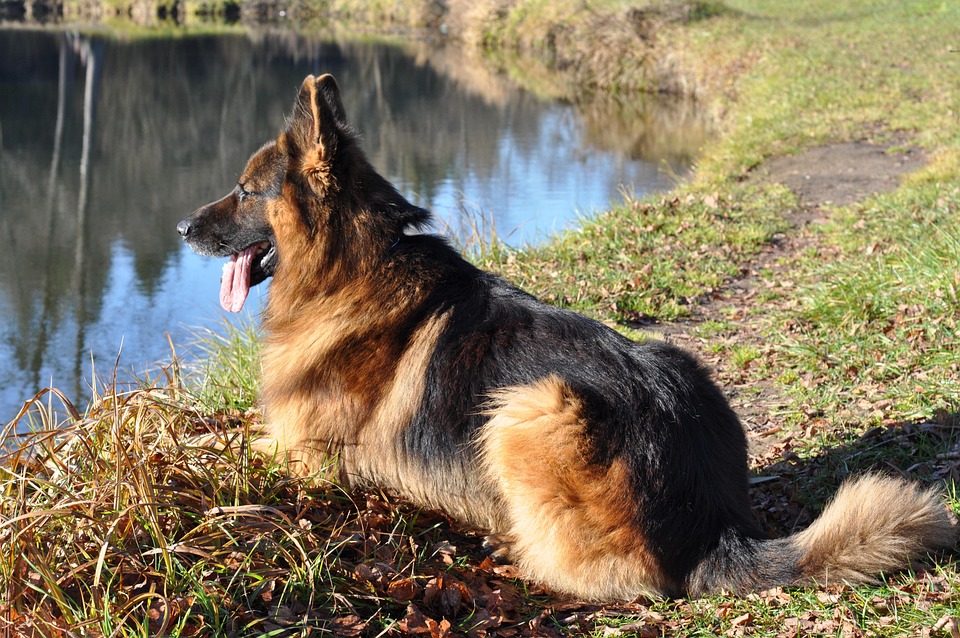
Why Central Asian Shepherds Make Exceptional Family Companions
Why Central Asian Shepherds Make Exceptional Family Companions
Central Asian Shepherds, known for their impressive size and dignified demeanor, represent a proud heritage of guarding and shepherding livestock across Central Asia. These dogs have been bred for centuries for their protective instincts and loyalty, making them fascinating companions and guardians. With their rich history and unique temperament, they can be remarkable family companions.
Overview of the Central Asian Shepherd
History
Originating from the mountainous regions of Central Asia, the Central Asian Shepherd, or Alabai, has been a guardian for nomadic tribes and livestock for thousands of years. This breed is known for its ability to withstand harsh climates while protecting its flock from predators. Their experiences as working dogs have shaped their impressive instincts and ability to adapt.
Temperament and Personality Traits
Central Asian Shepherds are known for their courageous, confident, and independent nature. They are protective and loyal to their families, often forming deep bonds with their human companions. However, they can also display a natural reserve towards strangers, making them excellent watch dogs. Their intelligence can be both an asset and a challenge, as they require consistent training to channel their smarts effectively.
Grooming Needs
While Central Asian Shepherds have a thick, double coat, they are relatively low-maintenance regarding grooming. They shed seasonally, requiring regular brushing to keep their coat healthy. Bathing is generally only required when necessary, as frequent washing can strip their fur of essential oils.
Health Considerations
Like all breeds, Central Asian Shepherds are prone to certain health conditions. Common health concerns can include hip dysplasia and issues related to their size, such as bloat. Regular veterinary check-ups, a balanced diet, and appropriate exercise can help mitigate these risks.
Suitability for Different Types of Households
The Central Asian Shepherd is best suited for families who have experience with dogs, particularly large breeds. They thrive in homes with ample space and a secured yard, as they require room to roam and play. Families with active lifestyles will find this breed a good match, as they need regular exercise.
Training and Socialization Tips
When it comes to training Central Asian Shepherds, patience and consistency are key. Here are some tips:
- Start Early: Begin training your puppy as early as possible; socialization is essential for tempering their protective instincts.
- Positive Reinforcement: Use treats, praise, and play as incentives for good behavior.
- Social Activities: Involve them in group classes or dog parks to expose them to different people and situations.
- Set Boundaries: Establish rules for your dog and remain consistent in enforcing them.
emotional support animals (ESA)
An emotional support animal (ESA) is a pet that provides comfort and support to individuals dealing with mental health challenges. Unlike service dogs, ESAs do not require specific training to perform tasks. Their primary role is to provide companionship, reducing feelings of anxiety, loneliness, and depression.
People benefit from having their pets designated as ESAs as they offer emotional and mental support, helping their owners navigate daily challenges with greater ease.
Mental and Emotional Health Benefits
Pets, especially dogs and cats, have a profound impact on our mental and emotional well-being. Studies show that interacting with animals can lead to:
- Lowered blood pressure and heart rates.
- Reduced feelings of anxiety and depression.
- Increased levels of serotonin and dopamine, chemicals associated with happiness and relaxation.
Real-Life Examples:
- Samuel, a veteran suffering from PTSD, found solace in his Central Asian Shepherd, “Kira.” Each night, Kira would cuddle with him, helping him feel secure and relaxed.
- Emily, a college student facing overwhelming anxiety, described how her cat provided a calming presence whenever she felt stressed during exams.
Key Information
- Central Asian Shepherd History: Bred for guarding and livestock herding for thousands of years.
- Temperament: Loyal, protective, intelligent, requiring consistent training.
- Grooming Needs: Low maintenance but seasonal shedding requires regular brushing.
- Health Considerations: Potential for hip dysplasia and bloat; regular vet visits are crucial.
- Suitability: Best for experienced dog owners with space for activity.
- Training: Early training and socialization, using positive reinforcement.
- Emotional Support: ESAs provide comfort and companionship, improving emotional health.
How Dogs and Cats Provide Emotional Support
The bond between humans and their pets is deeply rooted in psychological principles. The presence of a pet can stimulate positive changes in the brain’s chemistry, enhancing feelings of happiness and security. Here’s how pets support emotional health:
- Companionship: Pets lessen feelings of loneliness, providing a constant presence that reassures owners.
- Stress Reduction: Petting a dog or cat can have a soothing effect; research indicates it helps reduce levels of cortisol, a stress hormone.
- Encouraging Activity: Dogs, especially, require exercise, which can motivate owners to engage in physical activities to improve their mood.
- Routine and Structure: Caring for a pet adds routine to daily life, promoting a sense of accomplishment and purpose.
FAQs about Emotional Support Animals
What qualifies a pet to be an Emotional Support Animal?
- Any pet can be considered an ESA with proper documentation from a mental health professional. Unlike service animals, they don’t have to undergo specific training.
Are ESAs allowed in all apartments?
- ESAs generally have housing rights under the Fair Housing Act, allowing them in no-pet policies, but documentation is often needed.
Can I take my ESA on planes?
- While airlines have changed policies, some do allow ESAs to fly with their owners. Always check the specific airline’s rules.
Do I need a special vest or harness for my ESA?
- While not legally required, many owners opt for these to indicate their animal’s ESA status in public.
Can I get an ESA letter online?
- While there are services that offer online assessments, it’s best to consult with a licensed mental health professional for valid documentation.
How often do I need to renew my ESA letter?
- Typically, annual renewals are recommended, but it depends on individual situations; check with your provider.
Can I have more than one ESA?
- Yes, you can have multiple ESAs, but you need documentation for each if you require housing or travel accommodations.
Are there breed restrictions for ESAs?
- Generally, there are no breed restrictions; any pet can be an ESA as long as they provide support.
Conclusion: Take the Next Step
In conclusion, Central Asian Shepherds not only make excellent family companions but can also serve as wonderful Emotional Support Animals. The companionship and unconditional love they offer can significantly enhance your emotional and mental well-being. To help make this connection, visit Veripaw.org. Since 2012, Veripaw has been providing resources for pet owners, helping connect them with licensed mental health professionals to obtain ESA documentation and offering access to high-quality pet accessories. Your furry friend might just be the support you’ve been looking for! Take that step today towards a healthier, happier you.
Ready to register your animal?
Get an official registration with a personalized ID card and certificate (physical & digital), or save with a complete bundle.


