
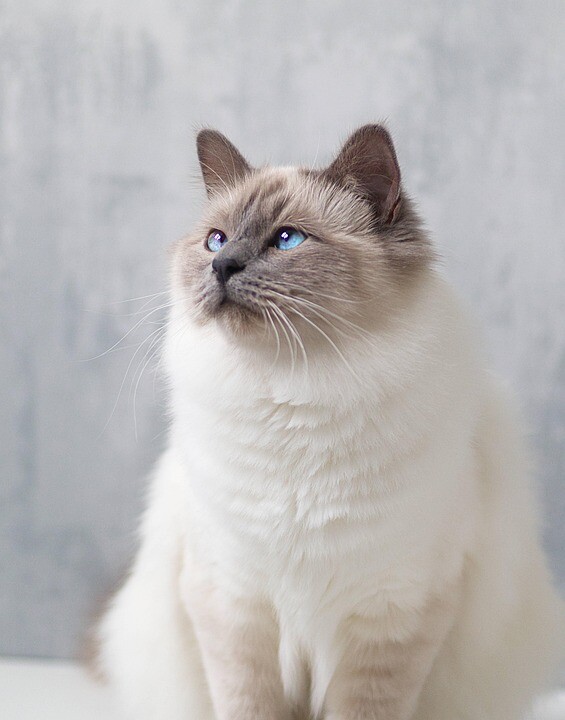
Why Birmans Make the Perfect Family Pets: Traits & Care Tips
When considering a family pet, one breed that stands out is the Birman cat. Known for their striking blue eyes, silky fur, and affectionate nature, Birmans are often described as “people-oriented” and make wonderful companions. This article will delve into the history and characteristics of the Birman, their grooming and health needs, tips for training and socializing, and how they, as emotional support animals (ESAs), can contribute to mental well-being.
Overview of the Birman Breed
History
Originating in Burma and introduced to Europe in the early 20th century, Birmans have a fascinating history. They were believed to be sacred cats in Burmese temples, associated with a monk named Mun Ha. After World War I, the breed faced extinction and was preserved by dedicated breeders. Today, Birmans are a beloved breed around the world, known for their striking appearance and lovely temperament.
Temperament and Personality Traits
Birmans are known for their gentle and affectionate nature. Here are some key personality traits:
- Social: Birmans enjoy being around people and often follow their owners from room to room.
- Playful: They retain their playful nature well into adulthood and enjoy interactive toys.
- Intelligent: Birmans are clever and can be trained to perform simple tricks and commands.
- Calm: These cats are usually laid-back, making them suitable for families with children or other pets.
Grooming Needs
Birmans have semi-long fur, which can mat if not properly maintained. Regular grooming is essential. Here are some grooming tips:
- Brushing: Brush your Birman’s coat at least once a week to prevent mats and tangles.
- Bathing: Occasionally bathe your Birman to keep their coat shiny and healthy, especially if they get dirty or start to smell.
- Nail Clipping and Ear Cleaning: Regularly check their nails and ears, clipping nails every few weeks and cleaning ears when necessary.
Health Considerations
While Birmans are generally healthy, they can be prone to specific health issues, such as:
- Hypertrophic Cardiomyopathy: A heart condition common in many cat breeds. Regular veterinary check-ups are essential.
- Dental Issues: Proper dental care can help maintain good oral health.
Suitability for Different Types of Households
Birmans adapt well to various living situations, from apartments to larger homes. Their calm demeanor makes them suitable for families with young children and other pets. They thrive on companionship, so having another pet or family member at home is beneficial.
Tips for Training, Socializing, and Caring for Birmans
- Training: Start training your Birman early using positive reinforcement techniques. Use treats and praise to encourage good behaviors.
- Socializing: Expose your Birman to different environments, people, and pets from a young age. This helps prevent timid or aggressive behavior later on.
- Exercise: Provide plenty of interactive playtime with toys. Birmans enjoy puzzle toys and feather wands to keep them mentally stimulated.
- Diet: Feed your Birman high-quality cat food appropriate for their age, size, and activity level to maintain their health.
What is an emotional support animal (ESA)?
An Emotional Support Animal (ESA) is a pet that provides comfort and emotional support to its owner. Unlike service animals trained to perform specific tasks, ESAs offer companionship and help reduce anxiety, stress, and loneliness. People benefit from designating their pet as an ESA due to the strong bond they share, which can improve overall well-being.
Mental and Emotional Health Benefits of Having a Birman
Birmans not only provide companionship but also contribute to mental and emotional health in various ways:
- Reducing Anxiety: The simple act of petting a Birman can lower cortisol levels and increase feel-good hormones like oxytocin.
- Providing Comfort: The soothing presence of a Birman can help individuals experiencing stress or sadness feel less alone.
- Encouraging Routine: Caring for a pet creates a daily routine, which can be grounding for those struggling with mental health issues.
Real-Life Examples
Many people share stories of how their Birmans helped them navigate difficult times. For instance, a mother may recount how her Birman would curl up with her child during anxious moments, providing comfort that words alone cannot. Such stories highlight the invaluable bond between humans and their pets.
Key Information
- Origin: Birmans are sacred cats from Burma, known for their striking blue eyes and affectionate nature.
- Temperament: Social, playful, intelligent, and calm.
- Grooming: Requires regular brushing and occasional bathing.
- Health Considerations: Can be prone to heart conditions and dental issues.
- Suitability: Excellent for families and adaptable to different living situations.
How Dogs and Cats Provide Emotional Support
The connection between humans and pets is backed by psychology. The presence of a pet helps release serotonin and dopamine, neurotransmitters responsible for feelings of happiness and well-being. Here’s how pets improve emotional health:
- Companionship: Pets offer a unique companionship, reducing feelings of loneliness.
- Physical Touch: Affectionate interactions, like petting or cuddling, release endorphins, promoting relaxation.
- Promoting Activity: The responsibility of caring for a pet encourages people to be more active, which is beneficial for mental health.
FAQs About Emotional Support Animals
What qualifies an animal as an ESA?
An ESA must provide comfort and emotional support to its owner but does not have to undergo specific training.Can any pet be an ESA?
Yes, dogs and cats commonly serve as ESAs, but any domesticated animal can be considered.Do ESAs require special certification?
While not legally required, having documentation from a licensed mental health professional can help.Are ESAs allowed in rental properties?
Many landlords will accommodate ESAs, especially if they have the proper documentation.What are the benefits of having an ESA?
ESAs provide emotional support, companionship, and can help reduce feelings of anxiety and loneliness.
Conclusion
Birmans are not only stunning pets but also make excellent family companions due to their affectionate and gentle nature. They can significantly enhance emotional well-being, making them ideal candidates for Emotional Support Animals. If you believe your Birman can provide this crucial support, consider getting them certified as an ESA.
For easy and trustworthy certification, visit Veripaw.org. Since 2012, Veripaw has been helping pet owners connect with licensed mental health professionals for ESA documentation and providing access to quality pet accessories. Don’t miss the opportunity to enhance your life with the unconditional love of your Birman!
Ready to register your animal?
Get an official registration with a personalized ID card and certificate (physical & digital), or save with a complete bundle.

