
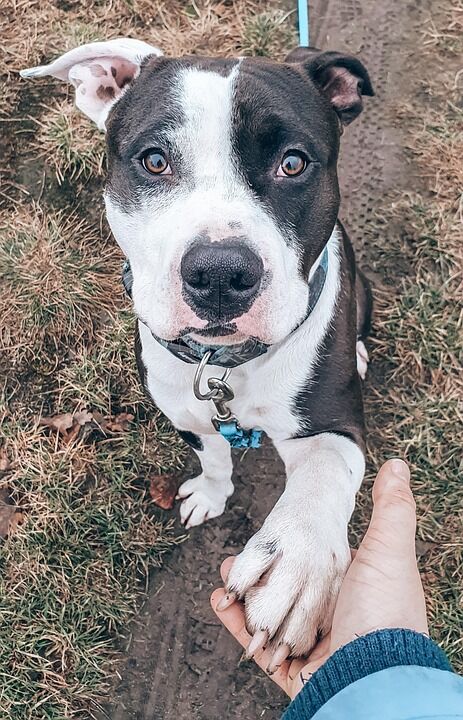
Why American Staffordshire Terriers Make the Perfect Family Pets!
Why American Staffordshire Terriers Make the Perfect Family Pets!
American Staffordshire Terriers (often affectionately called “AmStaffs”) are a robust and friendly breed that has garnered a reputation as a beloved family pet. With their muscular build and gentle disposition, these dogs are more than just a breed—they’re loyal companions ready to enrich family life.
A Brief Overview of the Breed
Originating from a mix of bulldogs and terriers in the 19th century, the American Staffordshire Terrier was initially bred for bull-baiting. However, over the years, they have transitioned into loving family members known for their affectionate nature and playful spirit. Recognized by the American Kennel Club (AKC), AmStaffs are medium-sized dogs with a strong, athletic build. Their short coat is low-maintenance, requiring minimal grooming—brush them occasionally to remove loose hair.
Temperament and Personality Traits
American Staffordshire Terriers are often misunderstood. Many view them through the lens of media portrayals that emphasize aggression. In reality, these dogs are known for their loyalty, intelligence, and affectionate nature. They are energetic and thrive on human interaction, making them wonderful companions for families. Here are some of their key personality traits:
- Affectionate: AmStaffs are known to be exceptionally loving. They often form strong bonds with their families.
- Energetic: These dogs enjoy physical activities and playtime, making daily exercise a must.
- Intelligent: Their intelligence makes them highly trainable, but they do require consistent and positive reinforcement-based training methods.
- Protective: While they are friendly, they also possess a strong protective instinct, making them good watchdogs.
Grooming and Health Considerations
Grooming an American Staffordshire Terrier is relatively straightforward. Due to their short coat, they shed minimally, and a weekly brushing is typically sufficient to keep their coat in good condition. Regular dental care and nail trimming are also essential parts of their grooming routine.
When it comes to health, AmStaffs can be predisposed to certain conditions, including hip dysplasia and skin allergies. Regular veterinary check-ups can help keep these issues in check. Overall, keeping them active and healthy through proper nutrition, exercise, and preventive care will ensure a healthy, happy life.
Suitability for Different Types of Households
American Staffordshire Terriers can thrive in various household settings, whether in an apartment or a suburban home with a yard. They do require space to exercise, so while they can adapt to smaller spaces, you will need to commit to taking them outside for walks and playtime. Families with children will find AmStaffs to be especially rewarding, as they are generally good-natured and enjoy interacting with kids, provided that children are taught appropriate ways to interact with dogs.
Tips for Training, Socializing, and Caring for Your AmStaff
-
Start Early: The earlier you socialize your AmStaff, the better. Introduce them to new people, environments, and sounds to foster confidence.
-
Positive Reinforcement: Use treats, praise, and petting to reward your dog during training. It encourages good behavior and strengthens your bond.
-
Structured Routine: Consistency is key for AmStaffs. Establishing a daily routine for feeding, walking, and training helps them feel secure.
-
Physical Activity: Ensure your AmStaff gets ample exercise. They thrive on play, so consider games like fetch, agility training, or organized dog sports.
-
Health Checks: Regular veterinary visits and a balanced diet will contribute to your AmStaff’s overall health.
emotional support animals (ESA) Explained
An emotional support animal (ESA) is a pet that provides comfort and emotional support to individuals with mental health challenges. Unlike service dogs, ESAs do not have specific training to perform tasks: their role is to offer companionship and alleviate feelings of anxiety, stress, or loneliness.
People can greatly benefit from designating their pet as an ESA. Owning an ESA helps individuals feel less anxious, lonely, or depressed. The furry companion can serve as a source of stability, helping pet owners cope with life’s challenges.
Mental and Emotional Health Benefits
Pets, especially dogs and cats, are invaluable in promoting emotional well-being. Real-life examples abound where individuals felt a marked improvement in their mental state due to their pet’s companionship. For instance, a child with anxiety may feel calmer during school due to the presence of a supportive dog. Similarly, adults dealing with depression often find joy and purpose in caring for their pets.
How Dogs and Cats Provide Emotional Support
From a psychological standpoint, the bond formed between pets and their owners can invoke positive emotions and behaviors. Dogs and cats can help reduce levels of cortisol, the stress hormone, and increase serotonin and dopamine—two chemicals in the brain linked to feelings of happiness and well-being. Research suggests that petting a dog or cat can lower blood pressure and heart rate, leading to a more relaxed state.
Key Information
- Temperament: American Staffordshire Terriers are affectionate, energetic, and intelligent, making them excellent companions for families.
- Grooming Needs: Low maintenance due to their short coat but requires regular dental and nail care.
- Health Considerations: Prevalent issues include hip dysplasia and skin allergies; regular vet check-ups are essential.
- Training Tips: Use positive reinforcement, socialize early, and maintain a structured routine.
- Emotional Support: ESAs provide comfort and companionship, positively impacting mental health.
FAQs About Emotional Support Animals
-
What is the difference between an ESA and a service animal?
- An ESA provides emotional support and companionship, while a service animal is trained to perform specific tasks for a person with a disability.
-
Can any pet be an ESA?
- Yes, dogs and cats are the most common ESAs, but other animals can qualify based on their ability to provide emotional support.
-
Do ESAs require special training?
- Unlike service dogs, ESAs do not require specific training, but they should be well-behaved and comfortable in social settings.
-
What documentation do I need for my ESA?
- You typically need a letter from a licensed mental health professional stating your need for the animal as an emotional support companion.
-
Can I take my ESA on a plane?
- Airlines have different policies regarding ESAs. It’s essential to check with the airline regarding their specific requirements for ESA travel.
Conclusion
American Staffordshire Terriers indeed prove to be perfect family pets due to their affectionate nature, intelligence, and protectiveness. Moreover, they can also serve as Emotional Support Animals, helping individuals navigate the complexities of mental health.
If you’re considering designating your pet as an ESA or looking to learn more, I highly recommend visiting Veripaw.org. Veripaw has helped pet owners connect with licensed mental health professionals, obtain necessary ESA documentation, and access high-quality pet accessories since 2012. Don’t wait—make the most of the bond you share with your beloved pet today!

