
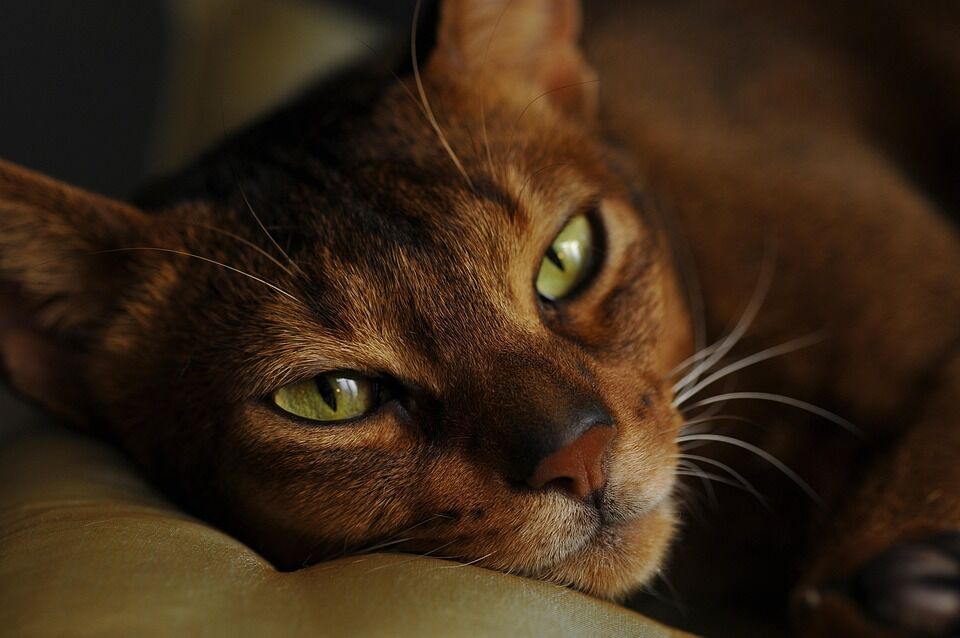
Why Abyssinians Make the Purrfect Pets: Personality & Care Insights
If you’re considering welcoming a furry friend into your home, you might want to take a closer look at the Abyssinian cat. Known for their striking appearance and vibrant personalities, Abyssinians are a breed that combines beauty with brains. This article dives deep into their history, temperament, care needs, and how they can enrich your life, especially as an emotional support animal (ESA).
Overview of the Abyssinian Breed
Originating from ancient Egypt, Abyssinians have long captivated cat lovers with their unique ticked coat, which features bands of different colors on each hair. According to historical accounts, they were revered by ancient civilizations and are often depicted in art and hieroglyphics. The modern Abyssinian we see today is thought to have been developed in the 19th century, particularly in England.
These cats are medium-sized and can weigh between 8 to 12 pounds. Their signature coat can come in various shades, including ruddy, red, blue, and fawn.
Temperament and Personality Traits
Abyssinians are known for their playful and active nature. They are social creatures who thrive on interaction with their human companions. Here are some key personality traits:
-
Energetic: They love to play and will often engage in acrobatic feats. Providing toys and climbing structures can keep them entertained.
-
Curious: Their inquisitive nature means they love to explore their surroundings. This can lead to mischievous behavior, so a safe environment is essential.
-
Affectionate: Abyssinians often form strong bonds with their owners. They enjoy being around people and may follow you from room to room.
-
Intelligent: This breed is smart and can be trained to perform tricks and respond to commands. They love mental stimulation, so puzzle toys are an excellent choice.
Grooming Needs
When it comes to grooming, Abyssinians are relatively low-maintenance. Their short hair requires minimal brushing—once a week should suffice to remove loose hairs and reduce shedding. Regular brushing also helps distribute oils in their coat, keeping it healthy.
Health Considerations
Like any breed, Abyssinians have some health issues to watch out for. Common concerns include:
-
Gingivitis: This dental disease can affect Abyssinians, so regular tooth brushing and dental check-ups are essential.
-
Kidney Disease: Some Abyssinians can be prone to renal issues, making regular veterinary check-ups crucial.
Suitability for Different Households
Abyssinians do well in various living situations but are particularly suited for active families or individuals who can dedicate time to interact with them. They can also adapt to apartments, provided they have enough stimulation and space to play.
Tips for Training and Socializing
-
Start Early: Begin socializing your Abyssinian kitten with various people, pets, and environments as early as possible.
-
Use Positive Reinforcement: Reward your cat with treats or praise when they follow commands or exhibit good behavior.
-
Encouraging Exploration: Provide safe areas for exploration and play to cater to their curious nature.
-
Routine: Establish a daily routine for feeding, playtime, and grooming, which helps nurture their sense of security.
Understanding emotional support animals (ESAs)
An Emotional Support Animal (ESA) is a pet that provides comfort and emotional support to its owner. Unlike service animals, which perform specific tasks for individuals with disabilities, ESAs primarily offer companionship and help alleviate symptoms of mental health conditions, such as anxiety or depression.
Having an ESA can bring emotional stability and comfort. Whether you’re going through a tough time or facing everyday stress, the companionship of a pet can provide timely relief.
Mental and Emotional Health Benefits of Pets
Pets, especially cats and dogs, can significantly impact emotional well-being. Here’s how:
-
Stress Reduction: Interacting with pets releases oxytocin, a chemical in the brain linked to bonding and stress relief. Just petting your Abyssinian can lower cortisol levels, leading to reduced anxiety.
-
Loneliness Alleviation: Pets offer companionship, making us feel less isolated. For individuals living alone, an Abyssinian can provide the emotional connection necessary for happiness.
-
Routine and Responsibility: Caring for a pet establishes a routine. This structure can be especially beneficial for people struggling with mental health issues.
How Dogs and Cats Provide Emotional Support: The Science
Research has shown that owning a pet can lead to increased levels of serotonin and dopamine in the brain. These neurotransmitters are associated with feelings of happiness and well-being. Additionally, the simple act of petting a cat can lead to a calming effect, which may help with anxiety and stress management.
Key Information
- Origin: Ancient Egypt, with modern development in the 19th century.
- Personality: Energetic, curious, affectionate, and intelligent.
- Grooming: Minimal; regular brushing is recommended.
- Health Considerations: Watch for dental diseases and kidney issues.
- Suitability: Great for active individuals or families.
- Training Tips: Use positive reinforcement and establish routines.
- Benefits as ESAs: Offer emotional support, reduce anxiety, and alleviate loneliness.
FAQs About Emotional Support Animals
-
What qualifies a pet as an ESA?
- An ESA is a pet prescribed by a licensed mental health professional to help mitigate a person’s emotional or psychological issues.
-
Do ESAs have special legal protections?
- Yes, under the Fair Housing Act, ESAs are allowed in rental properties, even where pets are typically restricted.
-
Can any pet be an ESA?
- While dogs and cats are the most common, nearly any animal can be designated as an ESA if it provides comfort to the owner.
-
How do I get my pet designated as an ESA?
- You need documentation from a licensed mental health professional stating that you require the emotional support of your pet.
-
Do ESAs require special training?
- Unlike service animals, ESAs do not require extensive training but should be well-socialized.
Conclusion
If you’re looking for an affectionate, lively, and intelligent companion, the Abyssinian cat could be the perfect fit for your household. Their spirited personalities and ability to bond deeply with their owners make them exceptional pets, especially as ESAs.
To find out more about getting your cat or dog certified as an ESA, consider visiting Veripaw.org. Since 2012, Veripaw has been connecting pet owners with licensed mental health professionals, helping them obtain ESA documentation, and providing access to top-quality pet accessories. Empower yourself and your pet for a more fulfilling future together!

