
Unlocking the Joy: 5 Unique Traits of Miniature Bull Terriers
Overview of the Miniature Bull Terrier
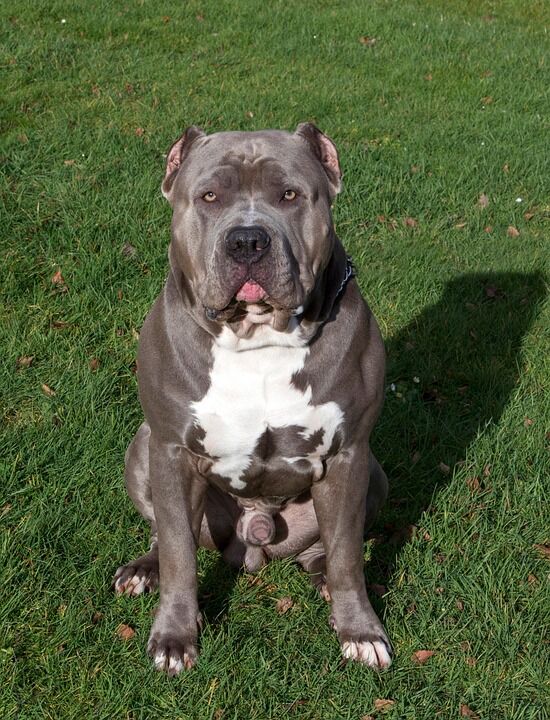
Miniature Bull Terriers are delightful, spirited dogs known for their distinctive appearance and charming personalities. Originating from England in the early 19th century, they were bred from the Bull Terrier line. This breed was created by crossing the now-extinct White English Terrier with various bulldog breeds to produce a resilient, athletic dog. Today, the Miniature Bull Terrier is recognized not only for its unique look—with its egg-shaped head and compact build—but also for its joyful and playful demeanor.
History
The Miniature Bull Terrier was primarily developed for companionship, although its larger cousin, the Bull Terrier, was often used in dog fighting. Fortunately, modern breeding practices focus on making the Miniature Bull Terrier a gentle companion for families. Their playful nature and strong bond with people make them a popular choice for many households.
Temperament and Personality Traits
Miniature Bull Terriers are known for their lively and affectionate personalities. They are often described as playful, curious, and, at times, a little stubborn. They thrive on attention and love from their owners, making them loyal companions. Their delightful sense of humor and goofy antics can bring immense joy and laughter into any home.
A few key personality traits include:
- Playfulness: They display an endless amount of energy and love to play, making them ideal for active families.
- Affectionate: Once bonded with their owners, they are incredibly loving and enjoy being close to their human companions.
- Intelligence: This breed is smart and alert, which can sometimes lead to a bit of mischief.
- Protectiveness: They can be wary of strangers, which makes them excellent watchdogs despite their small size.
- Independence: They may exhibit stubbornness during training, needing patience and consistency from their owners.
Grooming Needs
Miniature Bull Terriers have a short, smooth coat that requires minimal grooming. Regular brushing helps to remove loose hair and distribute skin oils, keeping their coat healthy. Bathing should be occasional; however, it’s important to keep an eye on their ears and nails, which may require regular cleaning and trimming.
Health Considerations
Like all breeds, Miniature Bull Terriers can be prone to specific health issues. Some common concerns include heart disease, deafness, and skin allergies. Regular veterinary check-ups, a balanced diet, and proper exercise are crucial for their overall health and well-being.
Suitability for Different Households
The Miniature Bull Terrier can adapt well to various living conditions, making them suitable for both apartments and houses. However, they require regular exercise and mental stimulation to avoid becoming bored or destructive. They thrive in active households, so families with children and other pets can benefit greatly from the joy these dogs bring.
Training and Socialization Tips
- Start Early: Begin training and socializing your Miniature Bull Terrier during puppyhood to help them grow into well-rounded adults.
- Positive Reinforcement: Utilize treats, praise, and playtime as rewards during training to encourage good behavior.
- Consistency is Key: Establish a routine for commands and stick to it so your dog understands what is expected.
- Socialization: Expose your dog to various environments, people, and other animals to help them adjust and feel secure in new situations.
- Brain Games: Engage their intelligence with puzzle toys and obedience training to keep their minds stimulated.
Understanding emotional support animals (ESAs)
An emotional support animal (ESA) is a pet that provides comfort and support to individuals facing emotional or psychological challenges. Unlike service dogs, which are specially trained to perform tasks for individuals with disabilities, ESAs offer companionship and a sense of security. This companionship can help alleviate feelings of anxiety, depression, and loneliness.
Benefits of Designating Your Pet as an ESA
Having a pet designated as an ESA can greatly enhance your emotional well-being. The presence of a furry friend can make daily challenges more manageable and provide a comforting routine in life.
Real-life examples such as people battling PTSD find solace in the unwavering companionship of their dogs or cats during anxiety-inducing situations showcase the positive impact pets can have on mental health.
How Dogs and Cats Provide Emotional Support
The Science Behind Emotional Support
Research shows that interacting with pets can lead to the release of oxytocin—a hormone associated with bonding and love—which naturally reduces levels of cortisol, a stress hormone. The simple act of petting a dog or cat can provide feelings of comfort and happiness. Studies indicate that pet owners often exhibit lower levels of anxiety and depression than those without pets, illustrating the strong bond between animals and emotional well-being.
Key Information
- Breed Overview: Miniature Bull Terriers are affectionate, playful, and loyal companions.
- Grooming Needs: Minimal grooming; regular brushing and occasional baths are sufficient.
- Health Considerations: Prone to specific health issues like heart disease; regular vet check-ups are vital.
- Training Tips: Start early, use positive reinforcement, maintain consistency, and provide socialization.
- ESAs Explained: ESAs provide companionship, helping with emotional challenges and enhancing mental health.
FAQs About Emotional Support Animals
-
What qualifies an animal as an ESA?
- An animal is considered an ESA if it provides emotional support that alleviates symptoms of a mental health condition, verified by a licensed mental health professional.
-
How do I get my pet certified as an ESA?
- You must obtain an ESA letter from a licensed mental health professional who confirms that you have a qualifying mental health condition that benefits from the presence of your pet.
-
Can ESAs be any type of pet?
- While dogs and cats are the most common ESAs, in some cases, other animals can also qualify, depending on the individual’s needs and the laws in their area.
-
Are ESAs allowed in all housing?
- Under the Fair Housing Act (FHA), ESAs are permitted in most housing situations that do not charge pet fees. However, specific guidelines may vary depending on the landlord.
-
Do ESAs have public access rights?
- Unlike service animals, ESAs do not have the same public access rights. This means they may not be allowed in public places where pets are typically prohibited.
-
Can an emotional support animal help with anxiety?
- Yes! Many individuals report that their ESA significantly reduces feelings of anxiety and stress, providing comfort during difficult times.
-
Do you need to train an ESA?
- While ESAs do not require specific training like service animals, basic obedience training is encouraged to ensure they are well-behaved in various situations.
-
Can I travel with my ESA?
- Airlines may allow ESAs to travel in the cabin, but it’s essential to check with individual airline policies.
-
What should I do if my ESA disrupts my life?
- It’s important to consult with a mental health professional to discuss any concerns and explore options for addressing behavioral issues.
-
Are there costs involved in getting ESA documentation?
- There may be costs associated with obtaining a legitimate ESA letter from a licensed mental health professional.
Conclusion
If you’re considering adding a heartwarming companion to your life, a Miniature Bull Terrier can be a fantastic choice. Not only are they fun-loving and full of energy, but their loyalty and affection can also provide emotional support that enhances your well-being. By understanding your pet’s needs and the benefits of designating them as an Emotional Support Animal, you can unlock an additional layer of joy in your life.
For those interested in certifying their dog or cat as an ESA, consider visiting Veripaw.org. Since 2012, Veripaw has connected pet owners with licensed mental health professionals to obtain ESA documentation, allowing countless individuals to experience the comfort and companionship that pets can provide. Plus, they offer high-quality pet accessories to make your journey that much smoother! Take the first step toward emotional wellness today.

