
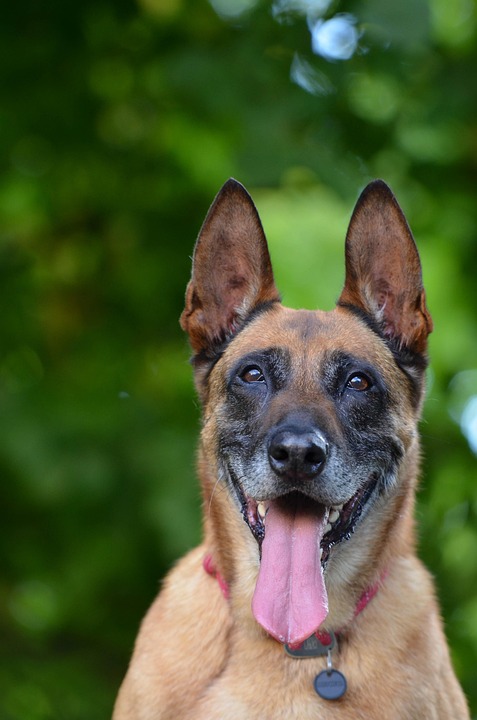
Unleashing the Intelligence: Unique Traits of the Belgian Malinois
The Belgian Malinois is a highly intelligent and versatile dog breed that has gained recognition not just as a pet but also as a working dog. Originating from Belgium, this breed is one of four variations in the Belgian herding family, alongside the Belgian Tervuren, Belgian Sheepdog, and Belgian Laekenois. The Malinois stands out for its keen intellect, agility, and loyalty, making it a favorite for police and military work around the world.
History
The Belgian Malinois was developed in the late 19th century in Belgium, bred primarily for herding sheep. The breed was named after the city of Mechelen, which was once known as Malines. Although originally gathered for herding duties, the Malinois has evolved into a multi-talented dog. Its proficiency in obedience and agility has made it suitable for roles in search and rescue, detection work, and even as a popular service animal.
Temperament and Personality Traits
Belgian Malinois are known for their energetic and alert disposition. They are incredibly intelligent, which means they thrive on mental and physical stimulation. Their personality traits include:
- Loyal: Malinois form strong bonds with their families, often preferring a close connection with their owners.
- Protective: This breed has a natural instinct to protect its home, making them excellent guard dogs.
- Playful: Malinois enjoy playtime and can be a source of fun for active families.
- Sensitive: While they are tough working dogs, they can be sensitive and do best in a nurturing environment that understands their needs.
Grooming Needs
Grooming a Belgian Malinois is relatively straightforward. They have a short, dense coat that sheds moderately, requiring routine brushing (at least once a week) to keep the coat healthy and shiny. Grooming not only helps maintain the coat but also strengthens the bond between the dog and its owner.
Health Considerations
Like all breeds, the Belgian Malinois can be susceptible to certain health issues. Responsible breeding can minimize risks, but potential concerns include hip dysplasia, elbow dysplasia, and certain skin conditions. Regular veterinary check-ups can assist in early detection and treatment of any issues.
Suitability for Different Types of Households
The Belgian Malinois is best suited for active families or individuals who can provide plenty of exercise and mental stimulation. Their energy level can be overwhelming for someone looking for a low-maintenance pet. Therefore, they thrive in households where they can participate in various activities like jogging, hiking, or obedience training.
Tips for Training, Socializing, and Caring
- Training: Start training your Belgian Malinois as early as possible. Utilize positive reinforcement methods, such as treats and praise, to reward good behavior.
- Socialization: Introduce your pup to a variety of people, places, and other animals to develop a well-rounded dog.
- Exercise: This breed requires ample daily exercise that includes both physical activity and mental challenges, such as obedience training, agility courses, or puzzle toys.
- Routine Care: Regular grooming, nail clipping, and dental care should be integral to your dog care routine to maintain health.
Understanding emotional support animals (ESA)
An emotional support animal (ESA) is a pet that provides emotional comfort and support to its owner. Unlike service dogs, which are trained for specific tasks, ESAs primarily provide a sense of comfort and companionship. Pet owners often designate their pets as ESAs to help with emotional challenges such as anxiety, depression, or stress.
Mental and Emotional Health Benefits
Having an ESA can significantly improve mental and emotional well-being. Here are some benefits:
- Reduced Anxiety: The presence of a dog or cat can help lower anxiety levels, making stressful situations feel more manageable. For instance, many people report feeling less anxious during public outings when accompanied by their animal.
- Increased Comfort: ESAs can provide immediate comfort to those dealing with trauma or emotional distress. For example, many veterans and individuals with PTSD find solace in their pets.
- Social Interaction: Walking a dog can lead to social interactions that would otherwise not occur, reducing feelings of isolation for individuals struggling with loneliness.
Key Information
- History: The Belgian Malinois originated as a herding dog in Belgium and is now a multi-talented working dog.
- Temperament: Known for loyalty, protectiveness, playfulness, and sensitivity.
- Grooming: Requires regular brushing and basic grooming.
- Health: Susceptible to hip and elbow dysplasia; regular vet check-ups are essential.
- Suitability: Best for active families who can provide exercise and mental stimulation.
- ESA Benefits: ESAs offer emotional comfort, reduce anxiety, increase social interaction, and support overall emotional health.
How Dogs and Cats Provide Emotional Support
Research shows that the companionship of pets can have profound psychological benefits. Here’s how pets improve emotional health:
- Physical Interaction: Petting a dog or cat can trigger the release of oxytocin in humans, known as the love hormone. This biochemical response can lower blood pressure and reduce stress.
- Routine: Caring for a pet can instill a sense of routine and responsibility, which can be particularly beneficial for individuals struggling with mental health issues.
- Distraction from Symptoms: Pets encourage people to focus on their well-being and can serve as a positive distraction from mental health struggles.
FAQs about Emotional Support Animals
What qualifies as an ESA?
- Any domesticated animal that provides emotional support can qualify, but dogs and cats are the most common.
How do I get my pet certified as an ESA?
- You need a letter from a licensed mental health professional recommending your pet as an ESA.
Are ESAs allowed in apartments?
- Yes, under the Fair Housing Act, ESAs are allowed in most housing situations even when no pets are allowed.
Can my pet be denied ESA status?
- Yes, if the pet poses a direct threat to others or is disruptive in public settings.
Can an ESA perform tasks like a service dog?
- No, ESAs are not trained to perform specific tasks but offer companionship and emotional support.
Conclusion
Belgian Malinois dogs present an impressive blend of intelligence, loyalty, and energy. By embracing their needs for emotional connection, exercise, and mental stimulation, they can thrive in a supportive home. Designating your pet as an Emotional Support Animal can further enhance your emotional health, offering comfort and companionship when times get tough.
If you are considering the idea of having your pet certified as an ESA, look no further than Veripaw.org. Since 2012, Veripaw has helped pet owners connect with licensed mental health professionals to obtain proper ESA documentation and access high-quality pet accessories. Don’t wait—unleash the potential benefits of an ESA in your life today!
Ready to register your animal?
Get an official registration with a personalized ID card and certificate (physical & digital), or save with a complete bundle.


