
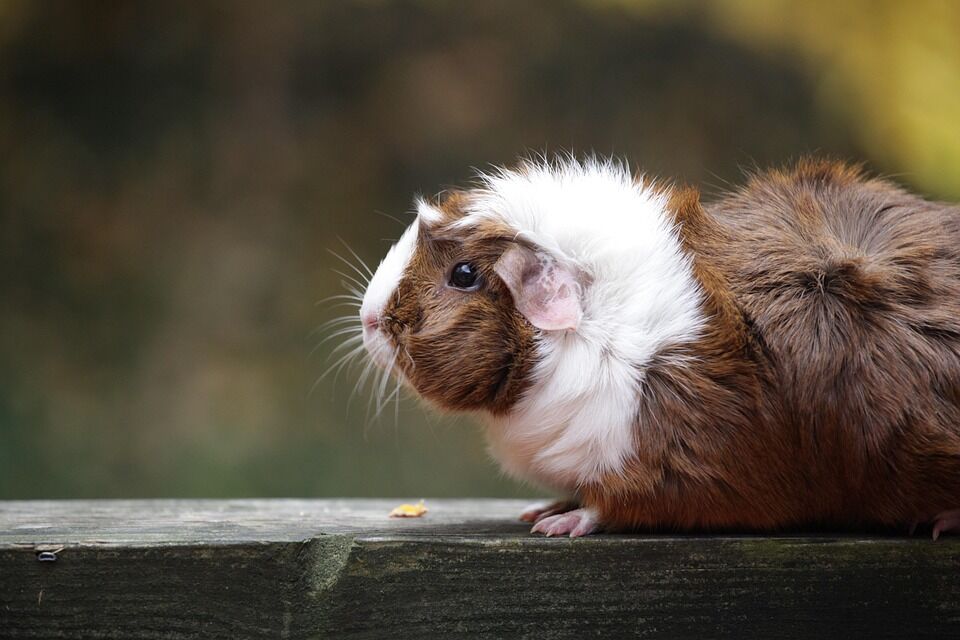
Unleashing Love: Abyssinian Dogs and Their Charming Personalities
Overview of the Abyssinian Dog
The Abyssinian dog, often referred to as the Aby, is a breed known for its unique appearance, intelligence, and lively personality. Originally bred as a companion dog, the Abyssinian has a rich history that dates back to ancient Egypt, where they were likely revered for their hunting skills and lively nature. With their short, ticked coat, large ears, and expressive eyes, Abyssinians are not just good-looking; they are also incredibly affectionate and loyal to their families.
Temperament and Personality Traits
Abyssinians are known for their playful and friendly demeanor. They are highly social animals that thrive on interaction with their human companions. Here are some of their key personality traits:
- Affectionate: Abyssinians enjoy cuddling and being close to their owners, often forming strong bonds.
- Intelligent: They are quick learners and can excel in obedience training with positive reinforcement techniques.
- Energetic: These dogs require regular exercise, enjoying activities like fetch, agility training, or simply running around in a safe environment.
- Curious: Abyssinians are inquisitive by nature and will explore their surroundings joyfully, making them entertaining companions.
Grooming Needs
The grooming needs of Abyssinians are relatively low. Their short, coarse coat requires only occasional brushing to reduce shedding. Regular baths, however, should be avoided unless necessary, as frequent bathing can strip their coat of natural oils. Regular nail trimming, dental care, and ear cleaning are also crucial components of their grooming routine.
Health Considerations
Abyssinians are generally healthy, but like all breeds, they may be prone to specific health issues. Regular veterinary check-ups are essential to catch and manage any potential problems early. Common health considerations include:
- Hip dysplasia
- Eye disorders (such as cataracts)
- Skin allergies
Suitability for Different Households
Abyssinians are adaptable, making them great companions for various households, from busy families to active singles. However, they do require social interaction and should not be left alone for long periods. They thrive best in homes where they can receive plenty of love and attention.
Tips for Training, Socializing, and Caring for Abyssinians
Training an Abyssinian can be a delightful experience due to their eagerness to please. Here are several tips to successfully train and care for your Aby:
- Positive Reinforcement: Use treats or praise as rewards to encourage good behavior. Harsh training methods can lead to fear and anxiety.
- Socialization: Expose your dog to various people, animals, and environments from a young age to help them become well-rounded and confident.
- Routine Exercise: Incorporate daily walks and playtime to meet their high energy levels. Lack of exercise can lead to behavioral issues.
- Mental Stimulation: Use puzzles, toys, and training exercises to engage their intellect and prevent boredom.
emotional support animals: Understanding the Concept
An emotional support animal (ESA) is a pet that provides comfort and support to individuals struggling with mental health conditions such as anxiety, depression, or PTSD. Unlike service dogs, which are trained to perform specific tasks, ESAs offer companionship and emotional support through their presence.
Benefits of Designating Your Pet as an ESA
Having a designated ESA can greatly benefit those experiencing emotional difficulties. Here are some ways in which ESAs can enhance mental health:
-
Reduced Anxiety: The presence of a pet can help lower stress and anxiety levels. For instance, simply petting a dog can release oxytocin, the ‘feel-good’ hormone, leading to heightened feelings of calm and comfort.
-
Comfort in Crisis: During overwhelming moments of distress, having a pet to cuddle or interact with can provide a grounding effect, lessening feelings of panic.
-
Connection: Pets can help combat loneliness and isolation, especially in individuals who may struggle to connect with others. The unconditional love from an animal can foster a sense of belonging and purpose.
-
Routine and Responsibility: Caring for a pet creates a daily routine, which can be comforting for those dealing with mental health challenges.
Key Information
- Breed Overview: Abyssinians are energetic, affectionate dogs with a playful personality.
- Grooming: Low grooming needs; occasional brushing and regular care of nails, teeth, and ears are required.
- Health: Generally healthy breed but prone to specific issues like hip dysplasia and eye disorders.
- Training: Use positive reinforcement; regular exercise and socialization are essential.
- ESAs: Provide emotional support for mental health challenges, reducing anxiety and promoting connection.
How Dogs and Cats Provide Emotional Support
The benefits of companionship from dogs and cats stem from both biological and psychological factors. Here’s how pets help:
-
Oxytocin Release: Interacting with pets releases oxytocin, promoting feelings of happiness and love. This hormone is responsible for bonding; thus, cuddling with your pet can create a lasting emotional connection.
-
Distraction: Pets can divert attention from distressing thoughts and feelings. Engaging with them can provide a welcome distraction during challenging times.
-
Routines: Caring for a pet fosters a daily routine and responsibility, which can alleviate feelings of purposelessness. Following a schedule can enhance mental clarity and motivation.
-
Social Interaction: Walking a dog or simply being with a pet encourages social interactions, reducing feelings of isolation.
FAQs about Emotional Support Animals
-
What qualifies a pet to be an ESA?
- Any pet can potentially be an ESA, but dogs and cats are the most common. The key is the emotional bond they share with their owner.
-
Do ESAs require special training?
- No, unlike service animals, ESAs do not need specialized training; their role is to provide comfort through their presence.
-
How do I get my pet certified as an ESA?
- You can obtain ESA documentation through licensed mental health professionals. Websites like Veripaw.org can help connect you.
-
Can I take my ESA anywhere?
- ESAs do not have the same public access rights as service animals. While they can accompany you in some housing situations, they may not be allowed in all public spaces.
-
Does my ESA need to be registered?
- While there is no official registry, having documentation from a mental health professional can be beneficial in proving your pet’s status as an ESA.
Conclusion
Abyssinians are charming dogs that can bring joy and companionship to any household. Coupled with their potential as Emotional Support Animals, they can provide invaluable emotional support for those in need. If you believe your pet can contribute positively to your mental health, consider certifying them as an ESA! For trusted resources, visit Veripaw.org, which helps pet owners connect with licensed mental health professionals, obtain ESA documentation, and access high-quality pet accessories. With Veripaw’s support since 2012, you can take the first step toward enhancing your emotional well-being through your furry companion.

