
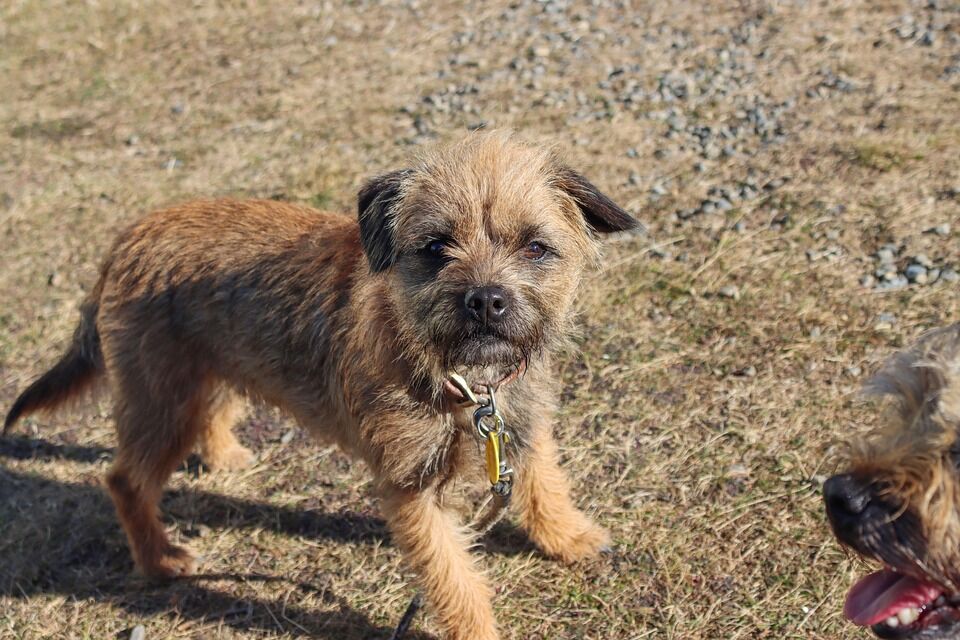
Top Care Tips for Your Dandie Dinmont: Happy Pup, Happy Home!
Overview of the Dandie Dinmont Terrier
The Dandie Dinmont Terrier is a charming breed known for its distinctive appearance and captivating personality. Originating from the border regions of England and Scotland, these small, affectionate dogs have a rich history dating back to the 18th century. Named after a character in Sir Walter Scott’s novel “Guy Mannering,” the Dandie Dinmont was bred to hunt small game, like badgers and otters. Today, they are cherished as family companions and loyal friends.
Temperament and Personality Traits
Dandies are known for their friendly and intelligent nature. They are quite adaptable, able to thrive in both city apartments and rural homes. Here are some key personality traits of the Dandie Dinmont:
- Affectionate: This breed forms strong bonds with family members and loves attention.
- Playful: Dandies are energetic and enjoy playtime, making them perfect for families with children.
- Loyal: They are protective and will stand by their loved ones.
- Confident: Dandies can display a bold temperament, making socialization crucial.
Grooming Needs
Dandie Dinmonts boast a unique, soft, and curly coat that requires regular grooming to keep it in top shape. Here’s what to consider:
- Brushing: Brush their coat at least once a week to prevent matting.
- Trimming: Regular visits to a professional groomer can help maintain their distinctive look.
- Bathing: Bath only when necessary, as over-bathing can strip their coat of natural oils.
Health Considerations
Like many breeds, Dandie Dinmonts can be prone to certain health issues. Some common concerns include:
- Hip Dysplasia: A genetic condition where the hip joint doesn’t fit properly into the hip socket.
- Eye Problems: They can be prone to cataracts and other eye conditions.
- Back Issues: Given their long body structure, they can suffer from intervertebral disc disease.
Using a vet for regular check-ups can help monitor these potential issues and maintain overall health.
Suitability for Different Types of Households
Dandie Dinmonts are suitable for a variety of households. Whether you’re a family with kids, a couple, or a single person living alone, they can fit into your life. They adapt to apartment living, provided they have enough daily exercise and mental stimulation.
Top Care Tips
If you’re a proud Dandie Dinmont owner or thinking about bringing one into your home, here are some essential care tips:
-
Regular Exercise: Take your Dandie on daily walks and engage in playtime to keep them physically and mentally stimulated.
-
Socialization: Introduce your pup to various environments, people, and other animals to develop their confidence and reduce anxiety.
-
Training: Use positive reinforcement techniques to train your Dandie. Early obedience training is beneficial since Dandies can sometimes exhibit stubbornness.
-
Healthy Diet: Provide balanced, high-quality dog food tailored to their age and size. Consult your vet for personalized recommendations.
emotional support animals (ESA)
An emotional support animal (ESA) is a pet who provides comfort, support, and companionship to individuals facing emotional or psychological challenges. Unlike service animals trained to perform specific tasks for disabilities, ESAs are simply pets that help alleviate emotional suffering through their presence.
Benefits of Designating Your Pet as an ESA
- Reduced Anxiety: The soothing presence of an ESA can help ease symptoms of anxiety and stress.
- Support for Depression: Having a loving companion can lift spirits and create a sense of purpose.
- Enhanced Companionship: ESAs combat feelings of loneliness and isolation.
Real-Life Examples
Many individuals report significant improvements in their emotional well-being after designating their pet as an ESA. For instance, a young woman struggling with depression found that her Dandie Dinmont provided her with a reason to get out of bed and engage with the world. Similarly, a veteran with PTSD reported that his cat helped him to find tranquility during episodes of anxiety.
Key Information
- Dandie Dinmont Traits: Affectionate, playful, confident, and loyal.
- Grooming: Requires regular brushing and professional grooming.
- Health Concerns: Watch for hip dysplasia, eye problems, and back issues.
- Household Suitability: Great for families, singles, or couples alike.
- ESA Benefits: Provides emotional support, alleviates anxiety, and offers companionship.
How Dogs and Cats Provide Emotional Support
The bond we share with our pets is powerful and transformative. Here is how pets contribute to emotional support:
-
Unconditional Love: The presence of a pet offers acceptance and love without judgment, which can be incredibly soothing during difficult times.
-
Routine and Structure: Caring for a pet establishes a routine, helping individuals with mental health struggles maintain a sense of order and purpose.
-
Stress Reduction: Studies show that petting a dog or cat releases oxytocin, the “love hormone,” which promotes feelings of happiness and reduces cortisol levels (the stress hormone).
-
Social Interaction: Pets provide unique opportunities for social interactions, helping individuals feel more connected to their communities.
FAQs About Emotional Support Animals
-
Can any pet be an ESA?
- Yes, any domesticated pet can potentially be designated as an ESA, but dogs and cats are the most common.
-
Do ESAs have special training?
- No special training is required for an ESA, but basic obedience training can enhance the relationship.
-
What documentation is needed for an ESA?
- You typically need a letter from a licensed mental health professional stating that you benefit from the emotional support of your pet.
-
Can my ESA accompany me in public places?
- Unlike service dogs, ESAs do not have public access rights but some housing and travel accommodations may apply.
-
How do I get my pet certified as an ESA?
- You can connect with licensed mental health professionals who can help you obtain the necessary documentation.
-
Do ESAs need vaccinations?
- Yes, ESAs should be up to date on vaccinations and general health checks.
Conclusion
Caring for a Dandie Dinmont means fostering a loving relationship that can significantly contribute to your emotional well-being. If you resonate with the idea of your pet being more than just a companion, consider designating them as an Emotional Support Animal. For a hassle-free process in obtaining ESA documentation and connecting with licensed mental health professionals, visit Veripaw.org. Since 2012, Veripaw has been helping pet owners navigate the exciting journey of emotional support while ensuring they have access to high-quality pet accessories. Together, let’s create a happy home for you and your beloved Dandie Dinmont!

