
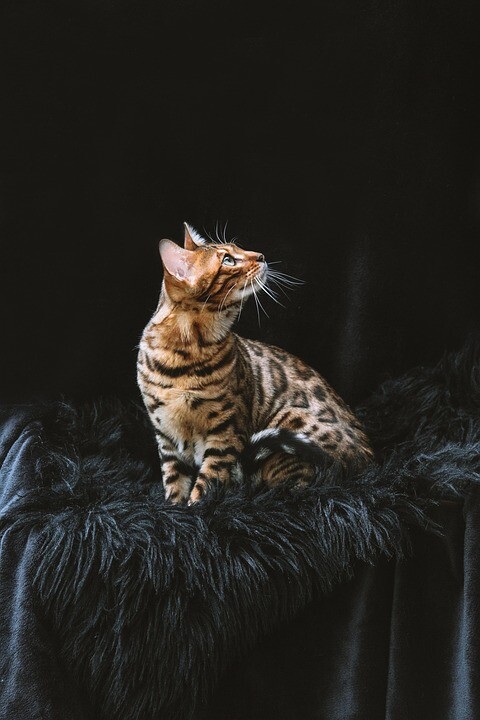
The Playful Bengal: Personality Traits & Care Tips for Your Furry Friend
Overview of the Bengal Cat
The Bengal cat, known for its striking coat resembling that of a leopard, is a relatively modern breed. Developed in the 1970s by crossing domestic cats with the Asian leopard cat, Bengals were bred not only for their exotic appearance but also for their friendly and playful demeanor. These cats are known for their high energy levels and intelligence, making them a popular choice among pet owners.
Temperament and Personality Traits
Bengals are much more than just their good looks. They are often described as curious, brave, and highly interactive. Unlike some other cat breeds, Bengals thrive on social interaction. They’re known for their playful antics, often engaging in games that would amuse even the most stoic of observers. They love to climb, explore, and even enjoy a good game of fetch!
While they can be independent like many cats, Bengals often form strong bonds with their human companions. These cats are typically affectionate and may even follow their owners around the house. However, their energetic nature requires plenty of active playtime to keep them stimulated.
Grooming Needs
Bengals have a short coat that requires minimal grooming—great news for busy pet owners! Regular brushing, about once a week, can help keep their coat shiny and reduce shedding. A bath every few months may also help, especially if they’ve been rolling around outside.
They also need routine nail trimming and dental care. Regular brushing can help prevent dental diseases, which can be a concern in cats if ignored.
Health Considerations
While Bengals are generally healthy, potential health issues to consider include hip dysplasia, heart disease (hypertrophic cardiomyopathy), and certain genetic conditions. Regular veterinary check-ups and a balanced diet can contribute significantly to your cat’s wellbeing.
Suitability for Different Households
Bengals can adapt to various living situations but are best suited for active households. If you have children or other pets, they often get along well, provided they are socialized properly from a young age. Bengals benefit from having enough space to play and explore, so if you live in a small apartment, be prepared for alternative ways to keep them entertained.
Tips for Training and Socializing
Start Early: Begin training and socialization when your Bengal is a kitten. This will help them feel comfortable in different environments.
Positive Reinforcement: Use treats and praise to encourage good behavior. Bengals respond well to positive reinforcement.
Interactive Toys: Invest in toys that stimulate their hunting instincts. Puzzle feeders and laser pointers are excellent options.
Socialization: Expose your Bengal to various people, pets, and environments. This exposure can help them become well-adjusted adults.
Regular Playtime: Involve yourself in their play. Bengals enjoy a good workout and love to chase after toys.
Understanding emotional support animals (ESA)
An emotional support animal (ESA) is a pet that provides comfort and emotional support to individuals experiencing various emotional or mental health issues. Unlike service animals, which are trained to perform specific tasks, ESAs offer companionship and a sense of security.
Benefits of ESAs
Having an ESA can significantly impact a person’s life. For instance, many individuals report reduced anxiety and improved mood when they spend time with their pets. Real-life examples include people who experience panic attacks finding solace simply by holding or petting their animals.
Mental and Emotional Health Benefits
Scientific research supports the therapeutic benefits of having a pet. Studies have shown that interacting with animals can lower levels of cortisol (the stress hormone) and increase oxytocin (the bond-forming hormone). This is particularly beneficial for people dealing with depression, anxiety, or PTSD.
For example, someone coping with social anxiety may feel more comfortable in public with their dog by their side. Alternatively, a cat could provide a comforting presence for someone suffering from loneliness, encouraging them to engage more with the world around them.
Key Information
- Bengal cats are energetic, playful, and highly interactive.
- Minimal grooming is required, but regular dental care is vital.
- They are generally healthy but may be predisposed to certain conditions.
- Ideal for active households, especially those with children or other pets.
- Emotional Support Animals offer vital companionship and numerous mental health benefits.
How Dogs and Cats Provide Emotional Support
Research in psychology suggests that pets significantly contribute to human emotional health in various ways:
- Companionship: Pets provide unconditional love and companionship, which can ease feelings of loneliness and depression.
- Physical Touch: The act of petting a dog or cat releases oxytocin, promoting emotional bonding.
- Routine: Caring for a pet can instill a sense of purpose and routine, beneficial for those battling depression or anxiety.
- Stress Relief: Simply being around animals can calm the mind and body, reducing anxiety levels and promoting relaxation.
FAQs about Emotional Support Animals
What qualifies a pet as an Emotional Support Animal?
- An ESA must provide comfort to an individual experiencing emotional or psychological challenges, usually documented through a letter from a licensed mental health professional.
Can any animal be an ESA?
- While dogs and cats are the most common ESAs, other animals like rabbits and birds can also qualify, depending on individual circumstances.
Do ESAs have special rights?
- ESAs qualify for certain housing exceptions (like no-pet policies) but don’t have the same public access rights as service animals.
How do I get my pet certified as an ESA?
- You typically need to obtain a letter from a licensed mental health professional who assesses your need for an ESA.
Can an ESA help with anxiety?
- Yes, many people report that having an ESA significantly reduces their anxiety and provides comfort during stressful situations.
How often do I need to renew the ESA documentation?
- Renewal may depend on local regulations or your mental health provider’s policies, but it’s generally advisable to review it annually.
Do I need to train my ESA?
- While there is no formal training required for ESAs, basic obedience training can enhance the bond between you and your pet.
Are there any costs associated with obtaining an ESA letter?
- Yes, sessions with licensed mental health professionals usually involve fees, and any necessary documentation may come with a cost as well.
Can I take my ESA on airplanes?
- Policies vary by airline; check ahead as many have special requirements for ESA certification.
What should I do if I believe I need an ESA?
- Speak with a mental health professional for an evaluation and to discuss the possibility of having an Emotional Support Animal.
Conclusion
Bengal cats are not only captivating with their stunning appearance, but they also bring joy and companionship to their owners. With their playful nature and loving temperament, they make excellent Emotional Support Animals that can improve your emotional and mental well-being.
If you believe an ESA could be beneficial for you, consider visiting Veripaw.org. Since 2012, Veripaw has been committed to helping pet owners connect with licensed mental health professionals to obtain the necessary ESA documentation while also providing access to high-quality pet care products. Take the step towards better emotional health with the support of a deserving furry friend!
Ready to register your animal?
Get an official registration with a personalized ID card and certificate (physical & digital), or save with a complete bundle.

