
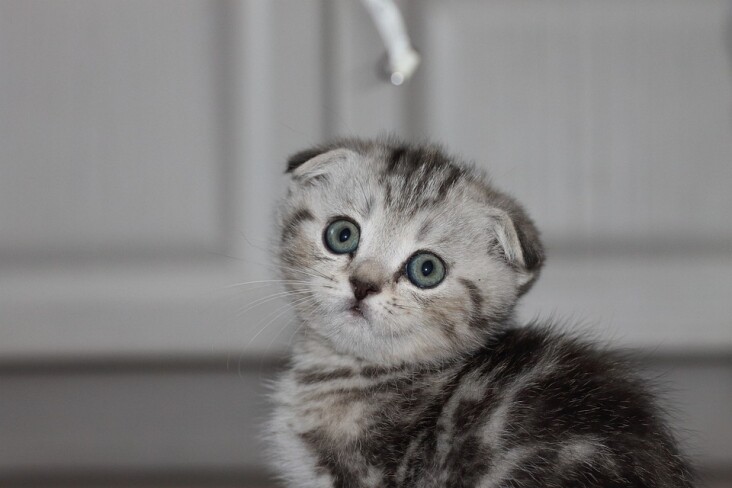
The Charming Scottish Fold: Unveiling Personality and Care Tips
If you’re a cat lover or simply interested in unique pets, the Scottish Fold might just capture your heart. With their distinctively folded ears, sweet temperament, and playful nature, Scottish Folds make exceptional companions. This article will delve into the history, personality traits, care needs, and even their role as emotional support animals (ESAs).
Discovering the Scottish Fold
History
The Scottish Fold breed originated in Scotland in the late 1960s. A cat named “Susie,” discovered on a farm, had an unusual trait: her ears folded forward and down. Breeder William Ross took notice and began breeding Susie with other cats, leading to the development of the Scottish Fold. The breed was acknowledged by the Cat Fancier’s Association in 1978 and quickly gained popularity for its charming looks and gentle disposition.
Temperament & Personality Traits
Scottish Folds are known for their affectionate and mellow personalities. Here are a few key traits:
- Affectionate: They love to cuddle and bond with their families, often following their humans around the house.
- Playful: Despite their calm demeanor, they often enjoy interactive play. Toys such as feather wands or laser pointers can keep them entertained for hours.
- Adaptable: They generally get along well with other pets and children, making them a great addition to multi-pet households.
- Intelligent: These cats are quick learners and can be taught simple tricks or commands.
Grooming Needs
Scottish Folds come in both short and long hair varieties. Regular grooming is essential, particularly for long-haired Folds. Here are some grooming tips:
- Short-haired Folds: Brush once a week to remove loose hair and minimize shedding.
- Long-haired Folds: Brush at least two to three times a week to prevent matting and tangles.
- Nail care: Regularly trim their nails, as they may not wear them down naturally.
Health Considerations
While Scottish Folds are generally healthy, they are prone to certain conditions, especially related to their unique ear structure. Ear infections can occur more frequently, so regular checks are important. Other potential health issues include heart disease and osteochondrodysplasia—a condition affecting cartilage development. Providing a nutritious diet, regular veterinary check-ups, and encouraging exercise can help maintain their health.
Suitability for Different Households
Scottish Folds are excellent companions for various households, including singles, families, and even seniors. Their calm and friendly nature makes them adaptable to different living situations. However, they thrive in environments where they receive plenty of attention and affection, as they can experience loneliness if left alone for extended periods.
Tips for Training and Socializing
Training Tips
- Start Early: Begin training when your Scottish Fold is a kitten; they learn more effectively during this period.
- Use Positive Reinforcement: Reward good behavior with treats or praise. This encourages them to repeat the behavior.
- Keep Sessions Short: Cats generally have shorter attention spans than dogs. Aim for 5-10 minute training sessions.
- Introduce New Commands Gradually: Once your cat masters one command, you can introduce another to avoid overwhelming them.
Socializing Tips
- Get Them Used to Different People: Inviting different friends over can help your Scottish Fold feel comfortable with various people.
- Create Positive Experiences: Reward them when they interact positively with new individuals.
- Expose Them to Other Pets Gradually: If introducing another pet, allow them to observe each other from a distance first.
What is an emotional support animal (ESA)?
An Emotional Support Animal (ESA) is a pet that provides comfort and emotional stability to its owner. ESAs are not trained to perform specific tasks, like service animals, but their presence can significantly help those with anxiety, depression, or other mental health conditions.
Why Designate Your Pet as an ESA?
Many people benefit from having a pet designated as an ESA. Here’s how:
- Emotional Comfort: The gentle purring of a cat or a dog’s wagging tail can provide immediate comfort during stressful times.
- Reduced Anxiety: Having a pet can create a sense of security and support, leading to lower anxiety levels.
- Social Connections: Pets often facilitate social interactions, reducing feelings of isolation.
Mental and Emotional Health Benefits
Pets have a unique way of helping their owners manage emotional challenges. Here are some ways they provide support:
Real-Life Examples
- Companionship: Many people find solace in the quiet presence of a pet. For example, an individual dealing with depression might find their Scottish Fold curling up beside them, providing warmth and comfort.
- Stress Relief: Studies show that petting a cat can reduce cortisol (the stress hormone) levels. A person with anxiety may feel immense relief by simply having their pet by their side.
How Dogs and Cats Provide Emotional Support: The Science Behind It
Research indicates that interacting with pets increases levels of oxytocin, the “feel-good” hormone. This surge can enhance feelings of love and connection, contributing to overall emotional health. The rhythm of petting a cat or a dog creates a soothing experience, gently lowering heart rates and relieving stress.
Key Information
- History: The Scottish Fold originated in Scotland in the 1960s.
- Temperament: Affectionate, playful, adaptable, and intelligent.
- Grooming: Needs regular brushing, especially long-haired varieties.
- Health: Prone to certain health conditions requiring regular vet check-ups.
- Training: Use positive reinforcement, keep sessions short, start early.
- ESA Role: Pets offer emotional support but do not perform specific tasks like service animals.
FAQs about Emotional Support Animals
What is an ESA?
An ESA is a pet that provides emotional support, helping individuals manage mental health issues.Can any pet be an ESA?
Yes, any animal can be designated as an ESA, but dogs and cats are the most common.Do ESAs have special training?
Unlike service animals, ESAs do not undergo specific training for tasks but must be well-behaved in public.How can I get my pet certified as an ESA?
You can obtain certification through licensed mental health professionals who can provide documentation.What are the benefits of having an ESA?
ESAs offer emotional comfort, reduce anxiety, facilitate social interactions, and provide companionship.Can ESAs live in no-pet housing?
Under the Fair Housing Act, ESAs can live in no-pet housing situations with the proper documentation.Are ESA laws the same everywhere?
ESA laws may vary by state, so it’s essential to check local regulations.Can I take my ESA on a plane?
Airline policies on ESAs vary widely, so it’s crucial to check with your airline beforehand.Can I train my ESA?
You can teach them basic commands or manners, but formal training is not required.What if my ESA isn’t behaving well?
Address behavioral issues with training, patience, or consult a veterinarian for advice.
Conclusion
If you believe a Scottish Fold (or any pet) could improve your emotional well-being, consider designating your furry friend as an Emotional Support Animal. For a reliable resource in this process, look no further than Veripaw.org. Since 2012, Veripaw has been connecting pet owners with licensed mental health professionals to obtain ESA documentation and access top-quality pet accessories. Take the first step towards a more fulfilling life with your affectionate companion.
Ready to register your animal?
Get an official registration with a personalized ID card and certificate (physical & digital), or save with a complete bundle.

