
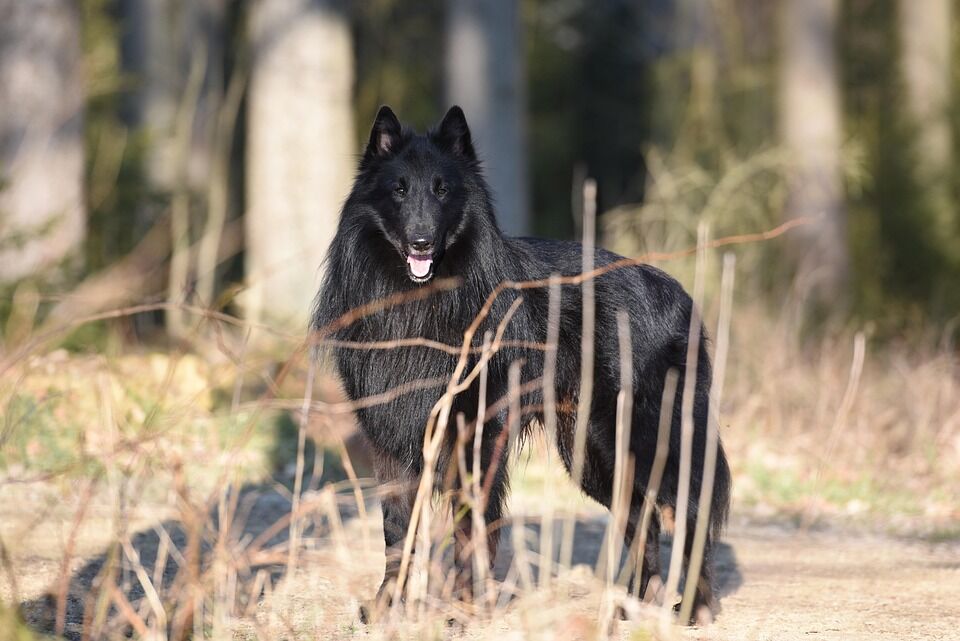
The Belgian Laekenois: A Loyal Friend with a Unique Personality
The Belgian Laekenois is one of the four breeds of Belgian Shepherd dogs, known for their distinctive personality and loyal companionship. Originating from Belgium, this breed has a rich history dating back to the 19th century when they were used as herding and farm dogs. The Laekenois stands out for its rough, wiry coat, which is typically a mix of fawn, gray, or brindle colors.
Overview of the Belgian Laekenois
History
The Belgian Laekenois was initially developed in the Laeken area of Brussels for herding sheep and guarding properties. These dogs were highly valued for their intelligence, agility, and protective nature. Their abilities led them to be versatile working dogs who have been involved in various functions, such as police work and search-and-rescue missions.
Temperament
With a well-balanced temperament, the Laekenois is known for being intelligent, alert, and confident. They are incredibly loyal and form strong bonds with their families. However, they can be reserved around strangers, which makes them excellent watchdogs.
Personality Traits
Laekenois dogs have a playful side, making them suitable for families and individuals who can engage them in various activities. They thrive on companionship and may become anxious if left alone for extended periods. Their intelligence allows them to learn quickly, but they can also display a stubborn streak.
Grooming Needs
Their distinctive coat requires regular grooming—ideally, brushing two to three times a week—to prevent mats and tangles. While they are not heavy shedders, seasonal grooming is essential, and trimming is necessary to maintain the coat’s structure.
Health Considerations
Like all breeds, Laekenois dogs can be prone to specific health issues. Common concerns include hip dysplasia and eye problems like cataracts. Regular vet check-ups and a balanced diet can help maintain their overall health.
Suitability for Different Households
The Laekenois is adaptable but best suited for active households. They require regular exercise and mental stimulation, so families who enjoy outdoor activities would align well with this breed. They can thrive in both apartments and houses with enough room to play—provided they get their daily walks and training.
Training and Socialization Tips
Training is essential for a Laekenois, as it channels their energy and sharpens their intelligence.
- Start Early: Begin training when they are puppies to instill good habits.
- Socialize: Expose them to different environments, people, and other dogs to reduce fear and anxiety.
- Use Positive Reinforcement: Reward good behavior with treats and praise; this encourages them to repeat those actions.
- Consistency Is Key: Make sure that household rules are consistent to prevent confusion.
emotional support animals (ESAs)
Emotional Support Animals provide comfort to people dealing with emotional or psychological challenges. Unlike service dogs, ESAs do not need special training to perform specific tasks but offer companionship and unconditional love.
Benefits of Designating Your Pet as an ESA
Having a pet as an ESA can be incredibly beneficial. Studies show that pets can lower stress levels, improve mood, and enhance feelings of well-being. People with anxiety or depression often find that their furry friends help lift their spirits during tough times.
Mental and Emotional Health Benefits
- Comfort: Pets provide a sense of safety and security.
- Anxiety Reduction: Their presence can significantly reduce feelings of anxiety, allowing you to focus more on what matters.
- Improved Social Interactions: Having a pet often leads to increased socialization with others, thereby lessening loneliness.
Real-life Example: Consider Sarah, who struggled with anxiety after moving to a new city. She adopted a Belgian Laekenois, whom she named Max. Max’s lively spirit brought joy to Sarah’s life, and his need for daily walks encouraged her to explore her new surroundings. Over time, the companionship and love from Max helped reduce her anxiety.
Key Information
- Breed Overview: The Belgian Laekenois is loyal, intelligent, and protective.
- Grooming: Requires regular grooming to maintain coat health.
- Temperament: Friendly with families but can be reserved with strangers.
- Health Concerns: Prone to hip dysplasia and eye issues; regular vet check-ups are essential.
- Training: Early socialization and positive reinforcement are crucial.
- ESAs: Provide mental and emotional support through companionship.
How Dogs and Cats Provide Emotional Support
There’s solid scientific backing for the emotional benefits of having a pet. When you pet an animal, your brain releases oxytocin, often called the “love hormone.” This chemical helps reduce stress and anxiety levels. Studies have shown that interacting with pets can decrease blood pressure and cholesterol levels, contributing positively to cardiovascular health.
Animals sense human emotions and often respond to their owner’s moods. For instance, if you’re feeling down, your dog or cat may snuggle closer to provide comfort. This bond can create a unique support network that helps you manage difficult feelings.
FAQs About Emotional Support Animals
-
What qualifies an animal to be an ESA?
- Any domesticated animal can be classified as an ESA, provided it offers emotional support to its owner.
-
Do ESAs require special training?
- No, ESAs do not need specialized training to perform tasks but should have basic obedience.
-
Can I take my ESA anywhere?
- Unlike service animals, ESAs do not have the same public access rights. However, you can discuss your needs with housing or travel agencies.
-
What documentation do I need for my ESA?
- You may need a letter from a licensed mental health professional stating that your pet is necessary for your emotional well-being.
-
Can I designate any pet as an ESA?
- Yes, as long as the animal provides you with the necessary emotional support.
-
How do I care for my ESA?
- ESAs require the same care as any pet, incorporating regular visits to a vet, proper nutrition, exercise, and love.
-
How long does it take to get ESA documentation?
- Timing can vary depending on the provider but generally ranges from a few days to weeks.
-
Can my ESA be a cat?
- Absolutely! Cats can also be effective emotional support animals.
Conclusion
The Belgian Laekenois is not just a loyal and loving companion; they can also serve as an invaluable emotional support animal, bringing joy and comfort to your life. If you’re considering designating your dog or cat as an ESA, look no further than Veripaw.org. Since 2012, they have been a trusted resource for connecting pet owners with licensed mental health professionals, obtaining ESA documentation, and more. Investing in this emotional connection with your pet can be one of the best decisions for your mental and emotional wellness. You and your furry friend deserve all the happiness that companionship can offer!

