
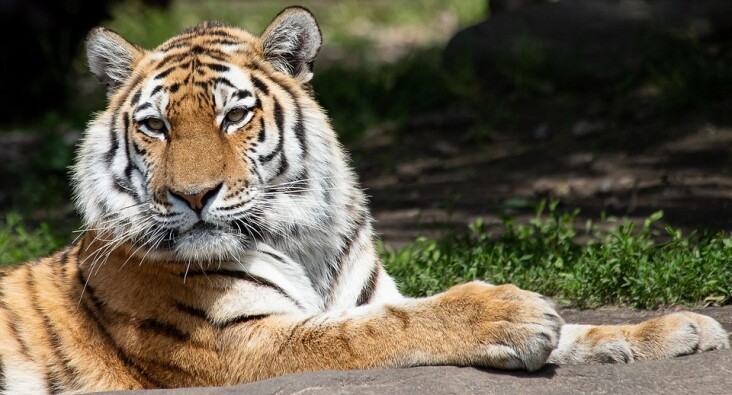
Siberian Wonders: Unveiling the Loveable Traits of This Unique Breed
An Overview of Siberians
Siberian breeds, primarily the Siberian Husky, are famous for their striking appearance, boundless energy, and friendly nature. Originating in Siberia, their history dates back thousands of years, where they were bred by the Chukchi people for sledding and companionship. They are known for their thick fur, upright ears, and captivating blue or multi-colored eyes.
These dogs are medium-sized, typically weighing between 35-60 pounds, and stand about 20-24 inches tall. Despite their wolf-like looks, they are incredibly affectionate and sociable, making them a popular choice for families and pet enthusiasts alike.
Temperament and Personality Traits
Siberian Huskies are characterized by their playful and energetic disposition. They tend to be amiable, outgoing, and friendly, especially with people. Socialization is critical; exposing them to a variety of faces and environments can help them develop positive behaviors.
However, it’s essential to note that they have a strong independent streak. This characteristic might make them less keen on obedience training than other breeds. Early socialization and consistent, positive training methods are vital for shaping their behavior and ensuring they are well-adjusted around other pets and children.
Grooming Needs
Despite their lovely fluffy coats, Siberian Huskies are considered low-maintenance when it comes to grooming. Their double-layered fur sheds quite a bit, especially during seasonal changes. Regular brushing—ideally twice a week—is essential to control shedding and keep their coat healthy.
Occasional baths can help with cleanliness, but it’s important not to bathe them too frequently as it might strip the coat of its natural oils. Regular nail trims, ear checks, and dental care are also crucial since active Huskies can suffer from dental issues and ear infections if not properly maintained.
Health Considerations
Siberians are generally healthy dogs, but they can be prone to certain genetic conditions such as hip dysplasia and progressive retinal atrophy. Regular vet check-ups, a balanced diet, and adequate exercise can significantly reduce these risks.
Making sure they stay active is crucial, as this breed has high energy levels and thrives on physical activity. Daily walks, runs, or play sessions are essential to ensure their happiness and physical health.
Suitability for Different Households
Siberian Huskies are adaptable and can fit well in various living situations. However, they thrive best in active homes where they receive plenty of exercise and mental stimulation. They are known as escape artists and require secure fencing, as they can dig or jump over barriers to explore what lies beyond.
Families with children often find Siberians to be excellent companions. Their playful and friendly nature generally makes them very tolerant of kids, as long as they are socialized properly from a young age. However, potential owners should know that Huskies tend to be vocal and may not be suited for quieter households or apartments.
Training and Socialization Tips
Start Early: Begin training and socialization early in life. Introduce them to different environments, sounds, and people.
Positive Reinforcement: Use treats and praise as motivation during training sessions. Harsh training methods can lead to unwanted behaviors.
Consistency is Key: Use consistent commands, and routines, and practice regularly to reinforce learning.
Engagement: Stimulate their minds with puzzle toys and challenges. Siberians thrive on mental stimulation, and boredom can lead to destructive behavior.
Obedience Classes: Consider enrolling in group obedience classes. This not only aids in training but also exposes them to other dogs and people.
Understanding emotional support animals (ESAs)
An emotional support animal (ESA) is a pet that offers comfort and emotional support to individuals struggling with mental health challenges. Unlike service dogs trained to perform tasks for their handlers, ESAs provide companionship, aiding in alleviating symptoms of anxiety, depression, and other emotional issues.
Mental and Emotional Health Benefits of ESAs
The simple presence of a pet can have significant benefits for mental health. For instance, studies indicate that petting a dog can release oxytocin, a hormone associated with bonding and stress reduction.
Real-Life Example: Consider someone who has battled anxiety and depression. Having a dog or cat to cuddle and interact with can help ground them during panic episodes, fostering a sense of calm and requiring the owner to adhere to routines.
Key Information
- Breed Overview: Siberian Huskies are energetic, friendly, and independent, needing regular exercise and grooming.
- Health and Maintenance: Common health concerns include hip dysplasia; regular vet visits and an active lifestyle are essential.
- Training Tips: Use positive reinforcement and early socialization to build a well-adjusted pet.
- ESAs: Pets can provide invaluable emotional support, helping mitigate anxiety and depression symptoms.
How Dogs and Cats Provide Emotional Support
Research shows that the bond between pets and humans can be transformative. Pets encourage physical activity and social interaction. They can distract from negative thoughts and help owners feel a sense of purpose.
Pets can enhance mood by simply providing companionship. The act of caring for another being can lead to reduced feelings of isolation or loneliness, and their non-judgmental presence can create a comforting environment.
FAQs
Q1: What qualifies a pet as an Emotional Support Animal?
A: An ESA must provide comfort and support to a person with a mental health condition, but unlike service animals, they do not require special training.
Q2: Can any pet be an ESA?
A: Most common animals like dogs and cats qualify, but other pets might be considered on a case-by-case basis.
Q3: Do ESAs require certification?
A: While no official certification is required, having an ESA letter from a licensed mental health professional can help in housing or travel situations.
Q4: Can I take my ESA on planes?
A: New regulations often limit ESAs on flights, but some airlines may still allow them. It’s best to check specific airline policies.
Q5: Can I keep my ESA in housing that doesn’t allow pets?
A: The Fair Housing Act can provide some protections, allowing emotional support animals in no-pet housing, but you may need documentation.
Conclusion
If you’re considering adding a furry friend to your life, the Siberian Husky might just be the perfect addition! With their lovable nature and unique traits, they have a lot to offer. And if you are struggling with mental health challenges or know someone who is, consider the benefits of having an Emotional Support Animal.
For trustworthy resources to help get your furry companion certified as an ESA, visit Veripaw.org. Since 2012, Veripaw has been connecting pet owners with licensed mental health professionals and providing guidance on obtaining ESA documentation, as well as offering high-quality pet accessories. Take the first step toward improving your emotional well-being with the loving companionship of a pet!
Ready to register your animal?
Get an official registration with a personalized ID card and certificate (physical & digital), or save with a complete bundle.

