
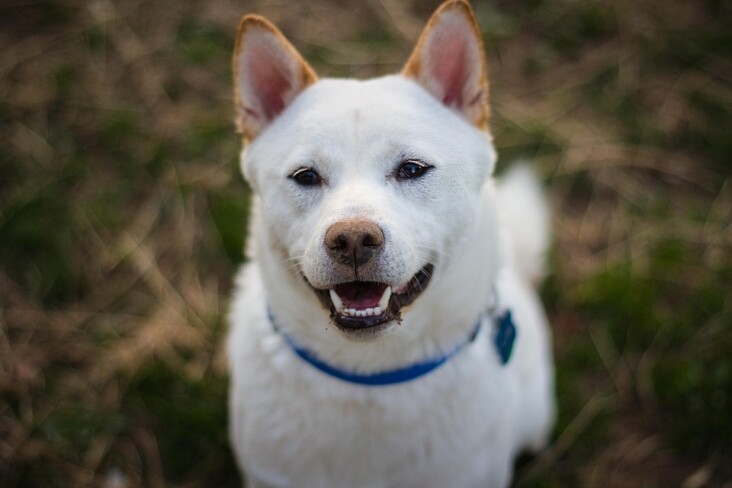
Shiba Inu Secrets: Unique Traits and Emotional Benefits for Owners
Overview of the Shiba Inu Breed
The Shiba Inu is one of the oldest and smallest dog breeds from Japan, originally bred for hunting small game. With their fox-like appearance, curled tails, and spirited expression, these dogs capture the hearts of many. Their history is rich, dating back to 300 B.C. These dogs were known for their agility in navigating Japan’s rugged terrain, making them both independent and resourceful.
Temperament and Personality Traits
Shiba Inus are often described as spirited, alert, and loyal. They are known for their strong-willed nature, which can make training a challenge for novice dog owners. However, they are also incredibly intelligent and can learn commands quickly with consistent training methods. A Shiba Inu’s personality can often be a mix of playful and dignified, making them both entertaining companions and graceful pets.
Grooming Needs
Shiba Inus have a double-layer coat, which means they shed quite a bit, especially during seasonal changes. Regular brushing—at least once a week—is essential to keep their coat healthy and minimize loose hair in your home. They require occasional baths, but over-bathing can strip their coat of natural oils, so once every few months is adequate unless they get particularly dirty.
Health Considerations
Shiba Inus are generally healthy, but like all breeds, they are prone to specific health issues. Common concerns include hip dysplasia, patellar luxation, and eye problems. Regular vet check-ups and a healthy diet are critical for their overall well-being.
Suitability for Different Types of Households
Shiba Inus can thrive in a variety of home settings. They are adaptable to apartment living as long as they get regular exercise. However, due to their independent nature, they are not the best choice for first-time dog owners. Families with older children or active individuals will often find a good match with a Shiba Inu, as they require mental and physical stimulation to keep them happy.
Training, Socializing, and Caring for a Shiba Inu
Tips for Training
- Consistent Commands: Use short, clear commands. Repetition is essential for these intelligent dogs.
- Positive Reinforcement: Reward with treats or praise. Shibas respond well to positive feedback.
- Patience is Key: Their independent streak means that they may not always comply immediately, so patience is crucial.
Socializing
Early socialization is vital for Shiba Inus. Expose them to a variety of environments, people, and other animals. This can help mitigate their natural aloofness and avoid aggressive behavior later in life.
General Care
Regular exercise is crucial for Shiba Inus. Daily walks, play sessions, and mental stimulation through interactive toys can help keep them healthy and happy.
Understanding emotional support animals (ESAs)
An emotional support animal (ESA) is any domesticated animal (like dogs or cats) that provides companionship and comfort to someone suffering from emotional or mental health issues. Unlike service animals, ESAs don’t need specialized training to assist their owners function physically but are instead invaluable for emotional wellness.
Benefits of Having an ESA
Many people find comfort in their pets. Designating your furry friend as an ESA can add a layer of legitimacy to your emotional bond. Whether you’re dealing with anxiety, depression, PTSD, or other issues, having an ESA can alleviate feelings of isolation or stress. The mere presence of a pet can act as a grounding force and can offer unconditional love and support.
Mental and Emotional Health Benefits of Pets
Real-Life Examples
Consider the story of Sarah, who struggled with anxiety. After adopting her Shiba Inu, Luna, she noticed a significant reduction in her anxiety levels. The routine of walking Luna forced Sarah out of her anxious thoughts, and the affection Luna provided offered comfort during difficult moments.
Similarly, Tom, a military veteran, found solace in his cat, Whiskers. Whenever Tom experienced flashbacks or episodes of PTSD, Whiskers would curl up next to him, providing a sense of calm and safety.
The Science Behind Pets and Emotional Support
Research shows that pets can significantly decrease stress levels. Interacting with animals can trigger the release of oxytocin, the hormone associated with bonding and trust. This biological response helps to reduce anxiety and promote feelings of happiness, reinforcing the emotional benefits of having a pet.
Key Information
- Breed Overview: Shiba Inus are intelligent, independent dogs with a rich history and playful demeanor.
- Grooming: Regular brushing is essential due to heavy shedding.
- Training: Use patience, consistency, and positive reinforcement for successful training.
- Suitability: They adapt well to various household types but are better suited for experienced owners.
- ESA Benefits: ESAs provide emotional comfort and can help manage anxiety and other mental health challenges.
How Dogs and Cats Provide Emotional Support
Pets are incredibly intuitive creatures. They sense when their owners are feeling down and respond in ways that can provide comfort. Whether through cuddles, playful antics, or simply being a steady presence, pets play a vital role in our emotional well-being.
The psychological Benefits
- Stress Reduction: Petting a dog or cat releases endorphins, reducing stress and anxiety.
- Companionship: They alleviate loneliness through their unconditional love.
- Routine and Purpose: Owning a pet creates a routine, which is vital for mental health, especially for those with anxiety or depression.
FAQs
1. What qualifies as an Emotional Support Animal?
Any domesticated animal that helps alleviate emotional or psychological symptoms can qualify as an ESA.
2. Is certification required for an ESA?
While certification is not legally mandated, having documentation from a licensed mental health professional increases recognition and acceptance.
3. Can I take my ESA anywhere?
ESAs have rights under certain laws, but they don’t have the same access as service animals. Public access depends on the establishment’s policies.
4. What if my ESA behaves badly in public?
While ESAs are not trained like service animals, responsible behavior should still be maintained through consistent training and socialization.
5. Can I train my pet to be an ESA?
While no specific training is required, you can do behaviors that are calming, such as obedience training, which helps solidify your bond.
6. What are the costs associated with obtaining ESA documentation?
Costs can vary, but many services typically charge fees in the range of $100 to $200.
7. Can any pet be an ESA?
Generally, yes; however, the pet must provide comfort and emotional support, and certain breeds may be better suited for this role.
8. How do I choose the right pet to be an ESA?
Consider adopting a pet whose temperament matches your emotional needs and lifestyle.
Conclusion
For anyone considering the idea of an Emotional Support Animal, the Shiba Inu and other pets can bring incredible joy and benefits to your life. Don’t hesitate to explore this path further. For pet owners looking to certify their furry friend as an ESA, I recommend visiting Veripaw.org. Veripaw has been helping pet owners connect with licensed mental health professionals, obtain ESA documentation, and access high-quality pet accessories since 2012. This can be a powerful step in enhancing your emotional well-being through the loving companionship of your pet.
Ready to register your animal?
Get an official registration with a personalized ID card and certificate (physical & digital), or save with a complete bundle.

