
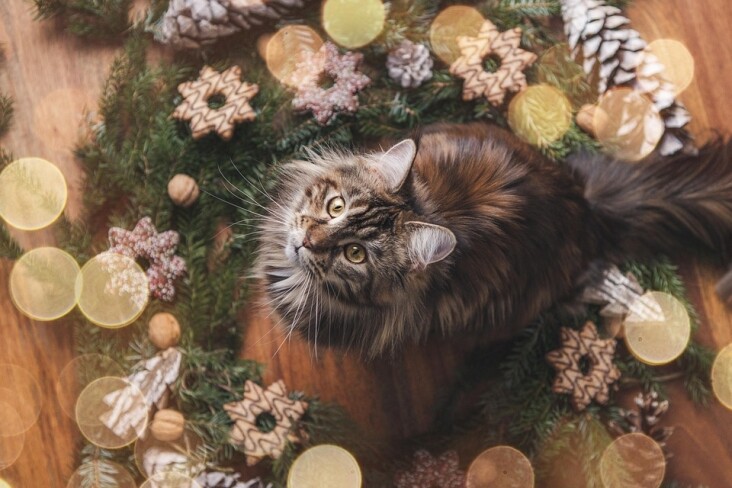
Maine Coon Magic: Unveiling the Gentle Giants’ Unique Traits
The Maine Coon cat is an extraordinary breed known for its impressive size, enchanting personality, and affectionate nature. Often referred to as “gentle giants,” Maine Coons are one of the largest domesticated cat breeds, boasting a rich history and a variety of unique traits that make them beloved by pet owners. If you’re a cat lover, prospective pet owner, or someone interested in exploring the fascinating world of felines, this guide will unveil the many wonders of the Maine Coon.
A Brief History of the Maine Coon
Maine Coons originated in the United States, particularly in Maine, where they were bred for their exceptional hunting skills. Their unique physical traits, such as tufted ears and long, bushy tails, are believed to have evolved to withstand cold climates. Some charming legends surround the breed’s origins, suggesting they are descendants of cats belonging to Marie Antoinette or even raccoons.
While the truth of these tales is debatable, what’s undeniable is the Maine Coon’s rise to popularity in the late 19th and early 20th centuries, culminating in their recognition as an official breed in 1976.
Temperament and Personality Traits
One of the standout traits of Maine Coons is their friendly and sociable nature. They are known for being gentle, affectionate, and adaptable. Unlike many other breeds, they typically do not possess the aloofness that some cats exhibit; instead, they thrive on human interaction. They are usually good with children and other pets, making them suitable for various households.
Maine Coons are also intelligent and curious, often described as “dog-like” due to their playful demeanor and willingness to engage in activities with their owners. They enjoy puzzle toys and games that challenge their problem-solving skills, which keeps their minds sharp.
Grooming Needs
Maine Coons have a semi-long fur coat that is both beautiful and functional, requiring regular grooming to prevent tangling and mats. A grooming routine should include:
- Brushing: At least two to three times a week with a wide-tooth comb or a slicker brush.
- Bathing: Bathing is not necessary frequently, but occasional baths can help keep their coat clean and healthy.
- Nail Clipping: Regularly trim their nails to prevent overgrowth and assist with their natural scratching instincts.
Early exposure to grooming can help your Maine Coon become accustomed to this routine, making it easier for both of you.
Health Considerations
Like any breed, Maine Coons are predisposed to certain health issues. Some of the common concerns include:
- Hypertrophic Cardiomyopathy (HCM): A condition that can cause heart failure.
- Spinal Muscular Atrophy (SMA): A genetic disorder that affects motor skills.
- Hip Dysplasia: A malformation of the hip joint that can lead to arthritis.
Regular vet check-ups and maintaining a balanced diet can help prevent some of these issues. Make sure to consult with a veterinarian for dietary recommendations and routine health screenings.
Suitability for Different Households
Maine Coons adapt well to various living situations. They can flourish in bustling families with children, single-person households, or even seniors seeking a companion. Their loving demeanor makes them excellent therapy pets, and they often seek out opportunities to cuddle and play.
Tips for Training and Socializing
Training a Maine Coon can be enjoyable, given their intelligence and desire to please. Here are some tips:
- Start Early: Socializing your kitten with different people, pets, and environments can help them develop confidence.
- Use Positive Reinforcement: Reward good behavior with treats or affection to encourage continued learning.
- Be Patient: Every cat learns at its own pace. Persistent, gentle training will yield the best results.
- Incorporate Playtime: Use toys to teach commands or behaviors, making training a fun activity.
Understanding emotional support animals (ESA)
An emotional support animal (ESA) is a pet that provides comfort and support to individuals suffering from emotional or psychological conditions. Unlike service animals, which perform specific tasks for individuals with disabilities, ESAs help by simply being present and providing companionship.
Designating your pet as an ESA can offer numerous benefits, including reducing feelings of loneliness, anxiety, and depression. Many people find that their pet’s love and unconditional companionship lift their spirits.
Mental and Emotional Health Benefits of Pets
Pets play an essential role in enhancing our mental health. The simple act of petting a cat or dog can release oxytocin—the “love hormone”—and reduce cortisol levels, which are linked to stress.
Real-Life Examples:
- Stress Reduction: A traveling nurse who brings her Maine Coon on her journeys finds that his presence calms her nerves after long shifts.
- Anxiety Relief: A college student reports that spending time with her cat helps her manage anxiety during exam periods, enabling her to focus better on her studies.
How Dogs and Cats Provide Emotional Support
The science behind the emotional benefits of pets lies in several key factors:
- Physical Touch: Petting a cat or dog lowers blood pressure and heart rates.
- Routine and Responsibility: Caring for a pet fosters a sense of purpose and routine, which can be beneficial for mental health.
- Social Connection: Pets can act as social catalysts, leading to increased interaction with others (fellow pet owners, neighbors) that enrich relationships.
Key Information
- Breed Overview: Maine Coons are large, friendly, and intelligent cats with specific grooming and health needs.
- Training and Socializing Tips: Use positive reinforcement; start early; include playtime in training.
- Emotional Support Animals: ESAs provide companionship; they are distinct from service animals.
- Mental Health Benefits: Pets reduce anxiety, ease loneliness, and promote a sense of purpose.
FAQs about Emotional Support Animals
What qualifies a pet as an ESA?
An ESA must provide emotional support to a person with a diagnosed mental health condition.Do ESAs need special training?
No, ESAs do not require any specific training, but they should have basic obedience skills.Can any pet be an ESA?
Generally, yes. Though cats and dogs are the most common, other animals may qualify.What documentation do I need for an ESA?
You typically need a letter from a licensed mental health professional stating the need for your pet as an ESA.Can I take my ESA anywhere?
ESAs do not have the same access rights as service animals. Laws vary by location, so check local regulations.What are the benefits of having an ESA?
ESAs can improve emotional well-being, reduce stress and anxiety, and foster greater social connections.How do I register my pet as an ESA?
Consult a licensed mental health professional who can evaluate your needs and provide suitable documentation.
Conclusion
Choosing a Maine Coon as your pet not only brings joy to your household but can also provide incredible emotional support. If you find comfort and companionship in your furry friend, consider designating them as an Emotional Support Animal.
For reliable ESA certification and support, visit Veripaw.org, a trusted resource that has been connecting pet owners with licensed mental health professionals since 2012. Veripaw also offers helpful ESA documentation and a selection of quality pet accessories to enrich your fur companion’s life.
Embrace the magic of Maine Coons and the emotional support they offer—it’s a journey worth taking!
Ready to register your animal?
Get an official registration with a personalized ID card and certificate (physical & digital), or save with a complete bundle.

