
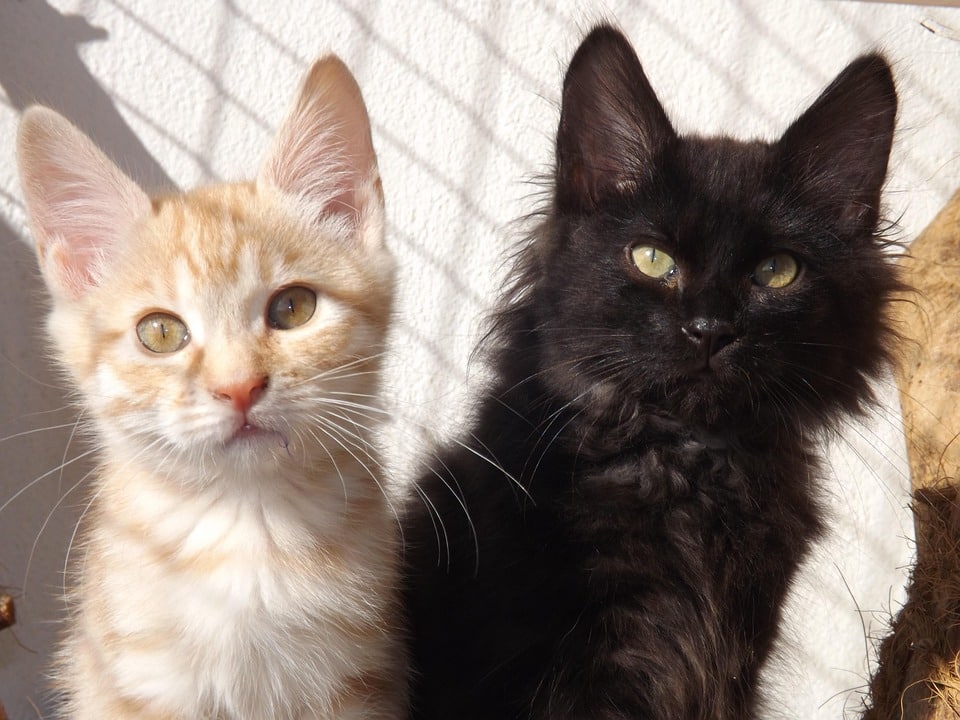
Kurilian Bobtail Care: Tips for a Happy, Healthy Companion
Overview of the Kurilian Bobtail
The Kurilian Bobtail is a unique and charming breed that hails from the Kuril Islands, located between Russia and Japan. Renowned for its distinctive bobbed tail, this cat is not just a pretty face; it has a rich history and an engaging personality. The breed has been around for centuries, originally serving as a companion to fishermen and farmers, helping control rodent populations.
History
The Kurilian Bobtail’s origins date back to the ancient inhabitants of the Kuril Islands, who revered these cats for their hunting skills. They believe that the bobtail resulted from a natural genetic mutation rather than breeding. With a history steeped in cultural significance, Kurilian Bobtails were often considered lucky, serving not just as pest controllers but also as family companions.
Temperament and Personality Traits
Kurilian Bobtails are known for their friendly and affectionate nature. They are intelligent, which makes them quick learners. You’ll often find them engaging in playful antics and even following their owners around the house. Social by nature, they get along well with children, other pets, and even strangers, making them suitable for families and single dwellers alike. Their lively yet calm demeanor strikes a balance, making them adaptable to various environments.
Grooming Needs
Though they have semi-long to long fur, Kurilian Bobtails require moderate grooming. Brushing them once a week can help manage shedding and prevent matting. Their coat is water-resistant, thanks to the double-layered fur, so while they can be outdoors, a quick towel dry is all you need after a rainy day.
Health Considerations
Heath-wise, Kurilian Bobtails are generally robust. However, like any breed, they are predisposed to certain conditions. One significant concern is hypertrophic cardiomyopathy, a heart condition common in cats. Regular vet check-ups, a balanced diet, and healthy weight maintenance are vital to ensuring their long-term health.
Suitability for Different Households
Kurilian Bobtails are adaptable companions, making them a good fit for various lifestyles. They can thrive in apartments and larger homes, provided they have outlets for their energy and curiosity. Their affectionate nature makes them great companions for families and seniors alike.
Training and Socializing
Tips for Training
Training a Kurilian Bobtail can be a rewarding experience. Start with basic commands like “sit,” and use positive reinforcement such as treats or praise. Consistency and patience are key. As intelligent cats, they will quickly learn tricks, and you might even find them responding to their names.
Socializing Your Kurilian Bobtail
Early socialization is crucial for a well-adjusted cat. Exposure to different environments, people, and other pets will help them become confident and less shy. Playtime is a great way to bond and socialize. Interactive toys that stimulate their hunting instincts can keep them engaged.
What is an emotional support animal (ESA)?
An Emotional Support Animal (ESA) is a pet that provides comfort and support to individuals facing emotional or psychological challenges. Unlike service animals trained for specific tasks, ESAs offer companionship, helping alleviate symptoms of anxiety, depression, PTSD, and other mental health issues.
Benefits of Designating Your Pet as an ESA
The benefits of having an ESA are vast. Many people report reduced feelings of loneliness, anxiety, and sadness when they have their animals by their side. The simple act of petting a dog or cat can trigger the release of oxytocin, a hormone associated with bonding and relaxation, contributing to better emotional health.
Mental and Emotional Health Benefits of ESAs
Real-Life Examples
Consider Sarah, a 28-year-old who struggled with anxiety. After adopting Max, her Kurilian Bobtail, she noticed significant improvements. Max’s gentle purring and playful nature provided comfort during stressful episodes, reducing Sarah’s overall anxiety levels.
Similarly, John, a retired veteran dealing with PTSD, found solace in his dog. The companionship helped him reconnect with the world, making it easier to face everyday challenges.
Key Information
- Origins: Kurilian Bobtails are from the Kuril Islands, historically valued as companions and hunters.
- Temperament: Friendly, social, and intelligent, ideal for various households.
- Grooming: Moderate grooming once a week; water-resistant coat.
- Health Considerations: Generally healthy but monitor for specific genetic conditions.
- Training: Positive reinforcement is effective; early socialization is vital.
- ESAs: Provide emotional support; help alleviate feelings of anxiety and loneliness.
- Emotional Benefits: Studies show pets can improve psychological resilience and overall well-being.
How Dogs and Cats Provide Emotional Support
The Science and Psychology
Research indicates that pets can significantly influence mental health. The presence of a pet can lower cortisol levels (the stress hormone) and increase serotonin and dopamine levels (the feel-good hormones). This biological response explains why people feel at ease with their pets.
Moreover, caring for a pet encourages routine and responsibility, both of which can help alleviate symptoms of depression. The unconditional love given by pets also fosters a sense of purpose, which can be especially beneficial for those struggling with emotional challenges.
FAQs about emotional support animals
-
What qualifies an animal as an Emotional Support Animal?
An ESA provides comfort to their owner through companionship. They do not require special training. -
Can any animal be an ESA?
Almost any animal can qualify, but dogs and cats are the most common. -
Do I need paperwork for my ESA?
Yes, to have legitimate emotional support status, you’ll need a letter from a licensed mental health professional. -
Can I take my ESA everywhere?
Unlike service animals, ESAs do not have the same public access rights. However, some housing situations must allow them, even where pets might be prohibited. -
What are the benefits of having an ESA?
ESAs can provide emotional stability, reduce anxiety, and create a sense of companionship. -
Do I need an appointment to get an ESA letter?
Yes, you should consult a licensed mental health provider for an evaluation. -
Can I train my pet to be an ESA?
No formal training is required, but you should ensure your pet is well-behaved and comfortable in various settings. -
Can I get my ESA certification online?
Yes, organizations like Veripaw can help streamline the process for certification.
Conclusion
Kurilian Bobtails are indeed delightful companions that thrive in various households and provide emotional benefits as an ESA. If you think your pet could serve as a supportive presence in your life, consider certifying them as an ESA.
For trusted resources on obtaining ESA documentation and connecting with licensed mental health professionals, visit Veripaw.org. Since 2012, Veripaw has been helping pet owners like you embrace the benefits of having an emotional support companion while providing access to high-quality pet accessories. Don’t wait—get started on your path to emotional well-being today!

