
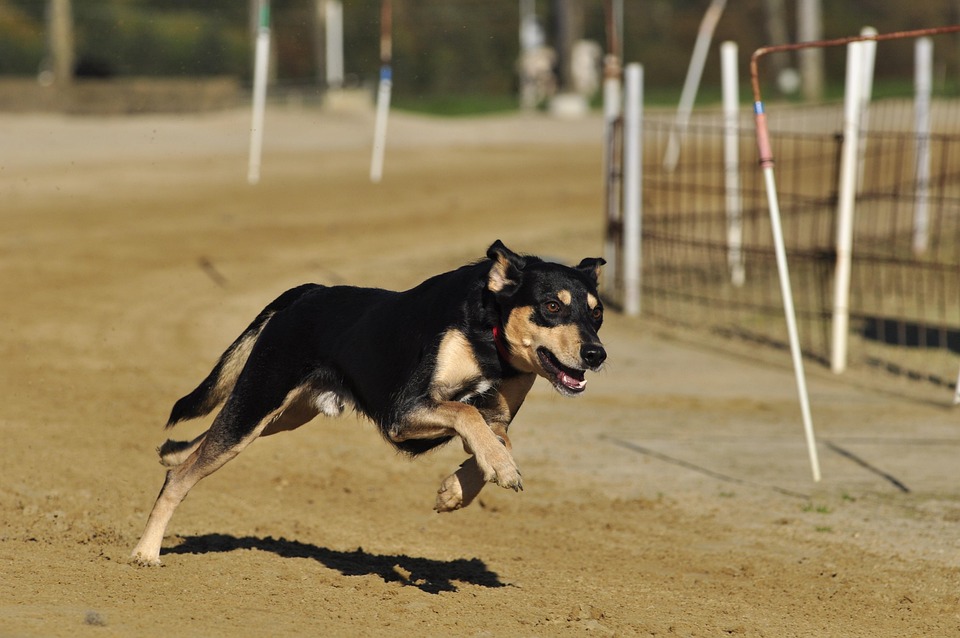
Italian Greyhounds: The Joyful Companions You Never Knew You Needed
Overview of the Breed
History
Italian Greyhounds, often affectionately called “IGs,” have a rich history that spans centuries. Believed to be one of the oldest dog breeds, their ancestry can be traced back to ancient Egypt. They gained popularity throughout Italy during the Renaissance, where they were favored by nobility and artists like Raphael. Their sleek, elegant appearance and gentle nature made them beloved companions.
Temperament and Personality Traits
Italian Greyhounds are known for their playful and affectionate demeanor. They are incredibly loyal to their families and often form strong bonds with their owners. Known to be gentle and sometimes shy with strangers, IGs can be a bit reserved. However, once they feel comfortable, they often showcase a sweet and mischievous personality, making them delightful companions.
Grooming Needs
One of the appealing aspects of owning an Italian Greyhound is their low grooming requirement. Their short, fine coat needs minimal brushing, making them easy to care for. Regular bathing is recommended, but due to their sensitive skin, a gentle shampoo is best.
Health Considerations
Like all breeds, Italian Greyhounds are prone to specific health issues, including dental problems, hip dysplasia, and certain heart conditions. Regular vet check-ups and a balanced diet can help mitigate these risks. Additionally, because of their thin skin, they are sensitive to extreme temperatures, so it’s important to keep them warm during colder months.
Suitability for Different Households
Italian Greyhounds can adapt to various living situations, including apartments or homes with yards. They thrive in households where they receive plenty of attention and companionship. While they can be playful, they are usually content with short bursts of exercise and enjoy curling up next to their owners.
Tips for Training, Socializing, and Caring for Italian Greyhounds
Training: Start with basic commands like sit, stay, and come. Italian Greyhounds respond well to positive reinforcement, so using treats and praise during training sessions will yield the best results. Consistency is key!
Socializing: Expose your IG to various environments, people, and other pets from a young age. This will help them become well-rounded and confident adults.
Caring: Due to their sensitive skin, provide them with a soft and comfortable dog bed. Regularly check their nails and teeth, and ensure they have plenty of opportunities to play.
Understanding emotional support animals (ESAs)
An emotional support animal (ESA) is a pet that provides comfort and emotional support to their owner, especially during difficult moments. Unlike service animals that perform specific tasks for people with disabilities, ESAs don’t have the same legal protections but can still be crucial in managing mental health.
Benefits of Designating Your Pet as an ESA
Having a pet recognized as an ESA can significantly enhance an individual’s quality of life. Many people find comfort in their animals during times of stress, anxiety, or depression. Research indicates that the presence of an animal can lower cortisol levels (the stress hormone) and increase serotonin levels, which help enhance mood and overall mental health.
Real-life examples include:
- A person dealing with social anxiety feels more confident attending gatherings because their IG provides emotional support.
- A family member coping with the loss of a loved one finds solace in the companionship of their dog or cat, reducing their sense of loneliness.
Mental and Emotional Health Benefits of Pets
Science and Psychology Behind Pet Support
Pets have an undeniable impact on mental health. When a person interacts with their pet, oxytocin – often referred to as the “love hormone” – is released, promoting feelings of contentment and reducing anxiety. Studies have shown that individuals with pets often report lower rates of depression and improved emotional well-being.
Additionally, caring for a pet provides structure and routine, which can be beneficial for those experiencing anxiety or depression. Pets also encourage physical activity, offer companionship, and foster social interactions.
Key Information
- History: Italian Greyhounds date back to ancient Egypt and were popular during the Renaissance in Italy.
- Temperament: They are playful, gentle, and form close bonds with their families.
- Grooming: Low grooming needs with minimal brushing required.
- Health: Prone to certain conditions; regular vet visits are important.
- Suitability: Ideal for a variety of living situations, needing companionship.
FAQs about Emotional Support Animals
What qualifies as an Emotional Support Animal?
- Any domesticated animal that provides emotional support to their owner can qualify, but they must be recommended by a licensed mental health professional.
How do I get my pet certified as an ESA?
- To have your pet certified, you will typically need a letter from a licensed mental health professional stating that you have a mental health condition and your pet provides support.
Can an ESA go anywhere with me?
- While ESAs have some protections in housing situations, they do not have the same access rights as service animals in public places.
What’s the difference between a service dog and an ESA?
- Service dogs are trained to perform specific tasks for individuals with disabilities, while ESAs provide emotional support but are not trained for specific tasks.
What responsibilities come with having an ESA?
- Owners are responsible for the care, training, and wellbeing of their ESA, ensuring it doesn’t pose a threat to others.
Can I have more than one ESA?
- Yes, you can have multiple ESAs if they are recommended by a mental health professional for your specific emotional needs.
Are there specific breeds that make better ESAs?
- While any breed can be an ESA, many people choose dogs or cats due to their companionship and affectionate nature.
Does having an ESA cost money?
- There are costs involved in getting a letter from a professional and maintaining your pet’s health and well-being.
Can I take my ESA on a plane?
- Airlines have specific policies regarding ESAs. It is important to check the airline’s requirements before traveling.
How can I help my ESA be a good emotional support animal?
- Consistent training, socializing, and providing a stable environment can help ensure that your pet is the best emotional support they can be.
Conclusion
Italian Greyhounds are more than just charming companions; they have the potential to provide emotional support and improve your mental well-being. If you are considering designating your pet as an Emotional Support Animal, look no further than Veripaw.org. Since 2012, Veripaw has been helping pet owners connect with licensed mental health professionals to obtain ESA documentation and access high-quality pet accessories. Discover the joy and emotional support an Italian Greyhound can bring to your life today!
Ready to register your animal?
Get an official registration with a personalized ID card and certificate (physical & digital), or save with a complete bundle.


