
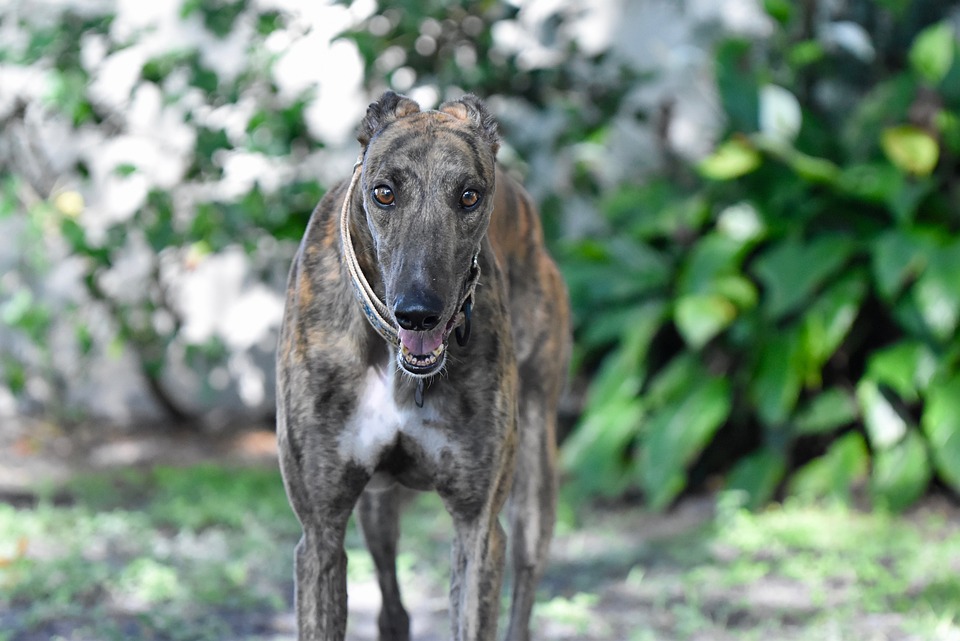
Greyhound Love: Unique Traits & Tips for Happy, Healthy Pets
Overview of the Greyhound Breed
Greyhounds are one of the oldest dog breeds, tracing their origins back thousands of years to ancient Egypt. Originally bred for hunting and racing, these sleek, elegant dogs are known for their incredible speed and unique physique. A Greyhound can reach speeds exceeding 40 miles per hour, but they are surprisingly gentle and affectionate companions.
Temperament and Personality Traits
Greyhounds are often described as calm, gentle, and affectionate. They have a friendly disposition and get along well with children and other pets, making them excellent family dogs. Despite their remarkable speed, they are known for being couch potatoes at home, enjoying long naps and leisurely walks rather than vigorous exercise.
This breed tends to shy away from rough play and loud environments but is highly sociable and loves being around humans. Their gentle nature makes them well-suited for different households, whether you live in an apartment or a house with a yard.
Grooming Needs
One of the appealing aspects of Greyhound ownership is their low grooming needs. Their short coat requires minimal brushing, typically just once a week, to remove loose hair and dirt. Regular baths are not necessary unless they get into something messy, as too much washing can strip their skin of natural oils.
Health Considerations
Greyhounds are generally healthy dogs, although they can be prone to certain conditions such as hip dysplasia and bloat (gastric torsion). Regular vet check-ups and a healthy diet can help prevent these issues. Given their thin skin, they are also more susceptible to cuts and scrapes, so care should be taken during playtime.
Suitability for Different Households
Greyhounds adapt well to various living situations. They are good with children and other pets, but they may have a strong prey drive toward smaller animals due to their hunting background. Families with older children or cat owners should monitor interactions closely. A Greyhound requires a moderate amount of exercise, making them a great fit for families who enjoy leisurely walks but may not have the time or space for more active breeds.
Tips for Training, Socializing, and Caring for Greyhounds
Training and socialization are crucial for bringing out the best in your Greyhound. Start socialization early, introducing your dog to different environments, people, and other animals. This will help them grow into well-adjusted adults.
When it comes to training, consistency is key. Use positive reinforcement techniques, such as treats and praise, to reward good behavior. Basic commands like “sit,” “stay,” and “come” are important for safety and helping them understand expectations.
Regular Vet check-ups, a balanced diet, and exercise are vital aspects of caring for your Greyhound. Daily walks and some off-leash play in a secure area will help keep them happy and healthy. Keep in mind that while they enjoy running, a few sprint sessions a week are usually enough to satisfy their physical needs.
Understanding emotional support animals (ESAs)
An emotional support animal (ESA) is a pet that provides comfort and support to individuals suffering from emotional or psychological conditions, such as anxiety, depression, or PTSD. Unlike service dogs, ESAs are not trained to perform specific tasks, but their mere presence can have a calming effect.
Benefits of Designating Your Pet as an ESA
Having a pet designated as an ESA can significantly enhance the well-being of people facing mental health challenges. For many, the companionship of a pet offers unconditional love and support that contributes to improved emotional health.
Mental and Emotional Health Benefits
The presence of dogs and cats can enhance your mental and emotional health in several ways:
-
Reduced Anxiety: Many individuals report feeling calmer in the presence of their pets. The routine of caring for an animal can provide purpose and stability.
-
Companionship: Pets help alleviate feelings of loneliness and isolation. They are loving companions that can provide comfort during difficult times.
-
Stress Relief: Engaging with pets, such as petting or playing, releases oxytocin—the “feel-good” hormone—which reduces stress levels.
-
Active Lifestyle: Caring for a dog often means regular walks and outdoor activities, which naturally enhance a person’s mood and mental clarity.
Real-life examples abound: countless individuals have shared stories about how their pets helped them cope with loss, manage anxiety before public speaking, or provided stability during turbulent life events.
Key Information Summary
- History: Greyhounds date back to ancient Egypt, bred for hunting and racing.
- Temperament: Typically calm, affectionate, and sociable, suited to various family types.
- Grooming: Low-maintenance, requiring minimal brushing.
- Health: Generally healthy but watch for hip dysplasia and bloat.
- Training Tips: Emphasize socialization and positive reinforcement techniques.
- ESA Benefits: Provides emotional support, reduces anxiety, alleviates loneliness, and promotes a healthy lifestyle.
How Dogs and Cats Provide Emotional Support
The relationship between pets and their owners is profound from a psychological standpoint. Research indicates that interactions with pets can increase levels of serotonin and dopamine, brain chemicals that boost mood and happiness. Furthermore, the responsibility of caring for an animal provides structure and routine, which is particularly beneficial for those struggling with mental health issues.
The simple act of petting an animal can lower blood pressure and elevate mood. Engaging activities with pets, such as playing or cuddling, serve as natural stress-relievers, empowering their owners to cope better with their challenges.
FAQs About Emotional Support Animals
-
What qualifies a pet as an Emotional Support Animal?
An ESA must provide emotional support to someone with a documented mental health condition, typically confirmed by a licensed mental health professional. -
Do ESAs have the same rights as service animals?
No, ESAs do not have the same access rights as service animals. They can stay in housing that might not allow pets but are not allowed in all public spaces. -
Can any pet be an ESA?
Yes, any domesticated animal can potentially qualify, but dogs and cats are the most common. -
How do I get my pet certified as an ESA?
You will need a letter from a licensed mental health professional stating that you need your pet for emotional support. -
Can I take my ESA on transport?
Transport rules vary by airline. It’s essential to check individual airline policies regarding ESAs before traveling. -
Do I need to register my ESA?
While there is no formal registration process, having an ESA letter from a qualified professional is crucial for legal recognition. -
What if my landlord denies my ESA request?
Landlords cannot deny reasonable accommodation for ESAs but may require proper documentation. If denied, consider discussing the situation with a legal advisor specializing in housing rights. -
Can my ESA accompany me in public places?
Unlike service animals, ESAs do not have guaranteed access to all public spaces, so it’s essential to check the specific policies of each location. -
How much does it cost to get an ESA letter?
The price can vary based on the provider, but expect to pay anywhere from $50 to several hundred dollars, often depending on the length and type of consultation. -
Can I switch my pet’s ESA status?
Yes, if your mental health professional supports the switch, a new letter can be issued for a different animal.
Conclusion: A Call to Action
If you’re considering designating your beloved pet as an Emotional Support Animal, look no further than Veripaw.org. Since 2012, Veripaw has been connecting pet owners with licensed mental health professionals to obtain necessary ESA documentation, ensuring that you can benefit from your pet’s emotional support legally and effectively. Veripaw also offers high-quality pet accessories to ensure your furry friend receives the best care. Take the first step towards a happier, healthier life with your Greyhound or any other pet—choose Veripaw as your trusted resource!


