
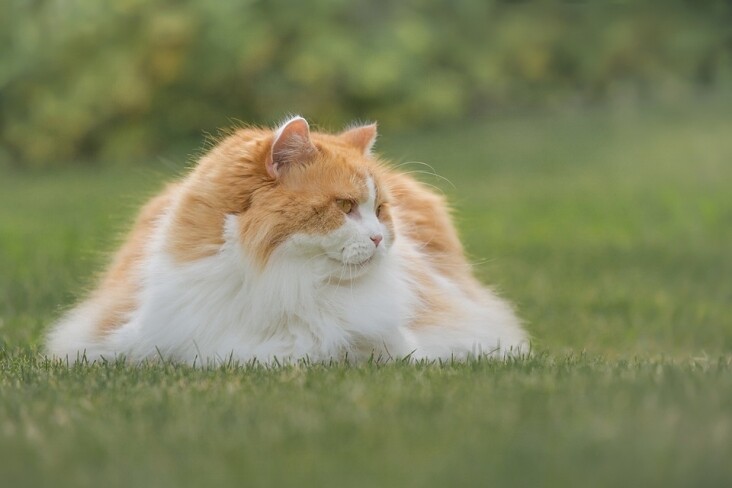
Essential Care Tips for Happy, Healthy British Longhair Pets
Overview of the British Longhair Breed
The British Longhair is an adorable and delightful breed that has captured the hearts of many pet lovers around the world. Renowned for their striking looks and affectionate nature, these cats have a fascinating history. Their origins can be traced back to the early 19th century in Britain, where they were bred for their robust health and longevity. After the introduction of the Persian breed, longhaired cats evolved into the fluffy companions we adore today.
Temperament and Personality Traits
British Longhairs are generally known for their calm and friendly demeanor. They are not overly demanding or aggressive, making them suitable for various households, including families with children and other pets. Their affectionate and laid-back nature allows them to connect well with their human companions, often forming strong emotional bonds. Let’s explore some key personality traits:
- Calm and Gentle: They tend to remain composed in most situations, making them excellent companions for those who prefer a serene environment.
- Playful Yet Independent: While they enjoy playtime, they also appreciate time alone. This balance makes them low-maintenance pets.
- Affectionate: British Longhairs thrive on companionship and often follow their owners around the house.
Grooming Needs
Maintaining a British Longhair’s luxurious coat is crucial for their health and happiness. Their semi-long fur requires regular grooming to prevent matting and reduce shedding. Here are some grooming tips:
- Brushing: Brush your cat at least two to three times a week to keep their coat in good condition and minimize loose hair.
- Bathing: Frequent bathing is unnecessary, but a bath every few months can help maintain a clean and glossy coat.
- Ear and Dental Care: Check their ears for wax buildup and brush their teeth regularly to prevent dental issues.
Health Considerations
Like all breeds, British Longhairs can be prone to certain health conditions, including obesity and heart diseases. Regular veterinary check-ups are crucial. Immunizations and a balanced diet rich in nutrients will also help keep your pet healthy.
Suitability for Different Types of Households
British Longhairs are generally adaptable and can fit well into various living situations, whether you live in a small apartment or a large house. Their friendly disposition makes them ideal for families, single individuals, or the elderly.
Training and Socialization Tips
Training and socializing your British Longhair from a young age are essential for ensuring they grow into well-rounded adults. Here are some useful tips:
- Start Early: Begin training when your British Longhair is a kitten; they are more receptive to learning during this developmental stage.
- Positive Reinforcement: Use treats and praise to encourage good behavior. This technique builds trust and strengthens your bond.
- Socialization: Introduce your cat to various environments, people, and other animals to help them adapt to different scenarios.
- Playtime: Engage in interactive play to hone their hunting instincts while building confidence.
Understanding emotional support animals (ESAs)
An emotional support animal (ESA) is a pet that provides comfort and support to individuals dealing with emotional or psychological challenges. Unlike service animals that are trained to perform specific tasks, ESAs offer companionship and emotional comfort.
Benefits of Designating Your Pet as an ESA
Having a pet designated as an ESA can provide significant mental and emotional health benefits. Here are some reasons why:
- Companionship: ESAs are always by your side, providing unconditional love and reducing feelings of loneliness.
- Anxiety Reduction: The mere presence of a pet can lead to lower cortisol levels, reducing anxiety and stress.
- Emotional Stability: Having a furry friend can help create a sense of stability and routine, particularly for those with anxiety and depression.
Real-Life Examples
Real-life accounts demonstrate how pets can offer comfort. For example, Sarah, a college student, felt overwhelmed by her studies and social pressures. After adopting a British Longhair named Bella as her ESA, Sarah experienced reduced anxiety. Bella’s affectionate nuzzles and constant companionship gave her the confidence to manage her workload better.
Similarly, a retired veteran named Mark found solace through his dog, Cooper, who provided emotional support during a challenging transition back to civilian life. Cooper’s loyalty played a crucial role in easing Mark’s anxiety.
Key Information
- Breed Characteristics: British Longhairs are calm, friendly, and affectionate.
- Grooming Needs: Regular brushing and occasional baths are necessary for coat maintenance.
- Health Considerations: Regular vet visits are essential; be aware of obesity and heart concerns.
- Socialization: Early training and exposure to various environments are important.
- ESAs: Provide emotional support and companionship, significantly improving mental well-being.
How Dogs and Cats Provide Emotional Support
The science behind the emotional support animals revolves around biochemistry and psychology. When people interact with pets, the body releases hormones like oxytocin, often referred to as the “love hormone.” This creates a sense of bonding and warmth. Additionally, pets create a calming effect, lowering stress levels and enhancing mood through non-verbal communication. The rhythm of petting a dog or cat can also have a meditative effect, helping individuals feel relaxed and secure.
FAQ Section
What qualifies a pet to be an Emotional Support Animal?
- A pet must provide comfort and emotional support but does not need specific training.
Can any pet be an ESA?
- Yes, most animals can act as ESAs, though dogs and cats are the most common.
Do ESAs have legal protections?
- ESAs have certain legal rights in housing but do not have the same access rights as service animals.
How do I get my pet certified as an ESA?
- You can get a letter from a licensed mental health professional stating your need for an ESA.
Can I travel with my ESA?
- Policies vary by airline, so it’s crucial to check their requirements regarding ESAs.
Do ESAs need specialized training?
- No, ESAs do not require training to perform specific tasks like service animals do.
What are the mental health benefits of having an ESA?
- ESAs can reduce feelings of loneliness, anxiety, and depression while increasing overall happiness.
Can my health provider recommend an ESA?
- YES. A licensed mental health professional can assess your emotional needs and recommend an ESA.
Can I designate my pet as an ESA myself?
- No, you must obtain a letter from a licensed mental health professional to have an official designation.
Is there a fee for ESA certification?
- Yes, services like Veripaw may have fees associated with connecting to mental health professionals and obtaining documentation.
Conclusion
If you’re a proud owner of a British Longhair or considering adopting one, understanding their needs will help ensure a happy and healthy life together. Additionally, if you’re looking to enhance your emotional well-being with the help of your beloved pet, consider pursuing an Emotional Support Animal designation.
For trusted resources to get your dog or cat certified as an ESA, check out Veripaw.org. Since 2012, Veripaw has been connecting pet owners with licensed mental health professionals, helping them obtain necessary ESA documentation, and providing high-quality pet accessories. Take the first step toward a more fulfilling life with your furry companion today!
Ready to register your animal?
Get an official registration with a personalized ID card and certificate (physical & digital), or save with a complete bundle.

