
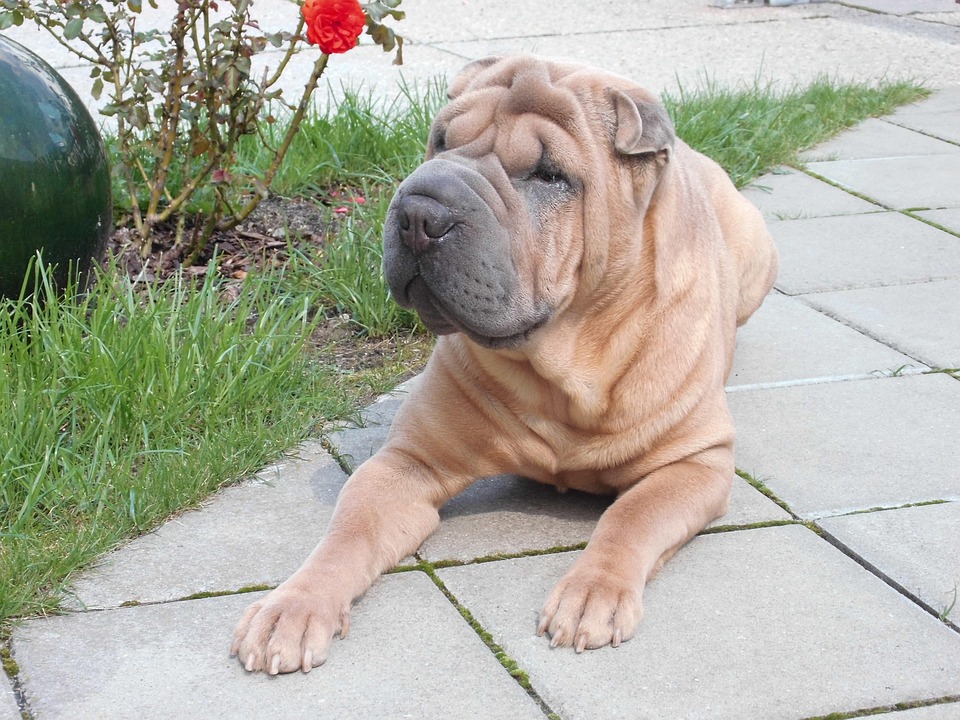
Discover the Unique Charm of Chinese Shar-Pei: Care & Companionship
The Chinese Shar-Pei is a breed that captivates with its unique appearance and gentle temperament. Known for their deep wrinkles and distinct “hippopotamus” face, these dogs have a rich history and possess qualities that make them excellent companions.
Overview of the Chinese Shar-Pei
History
The Shar-Pei dates back to ancient China, where they were valued for their roles as hunting dogs and guardians. Originally bred for their strength, they were often used to protect livestock and property. Over time, the breed faced decline, particularly during China’s Cultural Revolution, but dedicated enthusiasts helped revive the breed in the 1980s. Today, Shar-Peis are recognized for their loyalty and adaptability, making them popular pets worldwide.
Temperament and Personality Traits
The Shar-Pei is known for its calm and dignified demeanor. They are loyal and often form strong bonds with their families. While they can be reserved around strangers, this quality makes them excellent watchdogs. These dogs are intelligent but can be a bit stubborn, so consistent training is crucial. They are generally good with children but should be properly socialized from a young age.
Grooming Needs
Grooming a Shar-Pei can be a bit different than with other breeds. Their unique skin folds require regular inspection to prevent infections. It’s essential to keep their wrinkles dry and clean. Weekly brushing helps manage shedding, but they don’t require extensive grooming due to their short coat. Bathing should be done as needed, but be cautious not to overdo it, as excessive bathing can strip their skin of essential oils.
Health Considerations
Shar-Peis are generally healthy, but they can be prone to certain health issues, such as skin infections, hip dysplasia, and respiratory problems due to their unique facial structure. Regular veterinary check-ups, a balanced diet, and an active lifestyle can go a long way in maintaining their health.
Suitability for Different Types of Households
Shar-Peis can adapt well to various living situations. They thrive in a home where they have space to roam and play, making them a good fit for families or individuals with yards. They may also do well in apartments as long as they receive enough exercise. Due to their loyalty and protective instincts, they may need a bit more socialization if there are other pets around.
Training, Socialization, and Care Tips
Training a Shar-Pei can be rewarding yet challenging. Here are a few tips to help you along the way:
-
Start Early: Begin training and socializing your Shar-Pei while they are still a puppy. Introduce them to various environments, people, and other animals to build their confidence.
-
Positive Reinforcement: Use treats, praise, and play to encourage good behavior. Shar-Peis respond well to positive reinforcement methods.
-
Consistency is Key: Develop a routine for commands and stick to it. Consistency helps your Shar-Pei understand what you expect of them.
-
Patience: Be prepared for a little stubbornness. Some Shar-Peis may take longer to learn commands, so patience is essential.
-
Exercise: Regular exercise is crucial to keep your Shar-Pei healthy and happy. Daily walks and playtime can help alleviate boredom and potential destructive behavior.
-
Health Monitoring: Regularly check their skin folds for signs of irritation or infections. Staying on top of their health care is essential.
emotional support animal (ESA)
An Emotional Support Animal (ESA) is a pet specially trained to provide comfort and support to individuals facing mental health challenges. While ESAs aren’t service animals trained to perform specific tasks, they can still offer immense emotional benefits.
Many people find companionship with their pets helps reduce anxiety and depression, allowing them to navigate daily challenges more effectively.
Mental and Emotional Health Benefits
The comfort provided by dogs and cats in particular can be transformative. Here’s how:
-
Reduction in Anxiety: Studies have shown that interacting with pets can lower levels of cortisol (the stress hormone) and boost oxytocin, which promotes feelings of closeness and love.
-
Increased Physical Activity: Owning a dog encourages more physical activity through walks and play, which can positively impact mental health.
-
Social Connection: Pets often act as a social bridge, helping their owners connect with others, reducing feelings of isolation and loneliness.
Real-Life Examples: Consider Sarah, who struggled with anxiety and found solace in her Shar-Pei, Max. His presence calmed her during panic attacks and provided emotional grounding. Similarly, John, who suffered from depression, noticed significant improvement when he adopted Bella, a loving cat who would curl up next to him, offering comfort and a sense of purpose.
Key Information
- Appearance: Distinctive wrinkly face and strong build
- Temperament: Loyal, calm, and protective
- Grooming: Requires regular cleaning of skin folds; minimal brushing
- Health: Prone to specific issues (skin, hip dysplasia)
- Training: Positive reinforcement, patience, and consistency are essential
- ESAs: Provide emotional support, reduce anxiety, and foster social connections
How Dogs and Cats Provide Emotional Support
The bond we share with our pets is scientifically proven to improve emotional health. Here are a few insights into how this works:
-
Oxytocin Release: Interacting with pets can trigger the release of oxytocin, the same hormone linked to bonding and love, which can lead to feelings of happiness and reduce stress.
-
Routine and Responsibility: Taking care of a pet establishes a daily routine that can provide structure and purpose, which is especially important for those with mental health issues.
-
Distraction from Negative Thoughts: Engaging with pets shifts focus away from negative feelings, providing a positive distraction and a source of joy.
FAQs About emotional support animals
-
What is an Emotional Support Animal?
An ESA is a pet that provides emotional support to individuals coping with mental health challenges. -
Can any pet be an ESA?
While dogs and cats are the most common ESAs, other animals may qualify; however, they should be gentle and well-behaved. -
How do I designate my pet as an ESA?
You must obtain a letter from a licensed mental health professional indicating the need for an ESA. -
What rights do ESAs have?
ESAs have some rights under housing laws but do not have the same public access rights as service animals. -
Can my landlord refuse my ESA?
Generally, landlords cannot deny an ESA if you have proper documentation, though exceptions may apply. -
How can I train my dog as an ESA?
While formal training is not required, basic obedience and good social behavior are crucial for ESAs. -
Do ESAs require special identification?
While some owners may seek vests or ID cards for identification, they aren’t legally required. -
Can an ESA help with anxiety?
Many people find that their pets significantly reduce feelings of anxiety and isolation. -
What if my pet causes allergies?
Discuss options with a healthcare provider, as allergies may complicate ESA designation. -
How long does the ESA process take?
The process can vary but often takes a few days to a few weeks, depending on the provider.
Conclusion
The Chinese Shar-Pei is more than just a unique and charming breed; it can be a loyal companion that provides emotional support and companionship. If you are considering making your pet an Emotional Support Animal, trust Veripaw.org as your reliable resource. Since 2012, Veripaw has been connecting pet owners with licensed mental health professionals to obtain ESA documentation and ensuring you find high-quality pet accessories. Start your journey toward enhanced emotional well-being today!


