
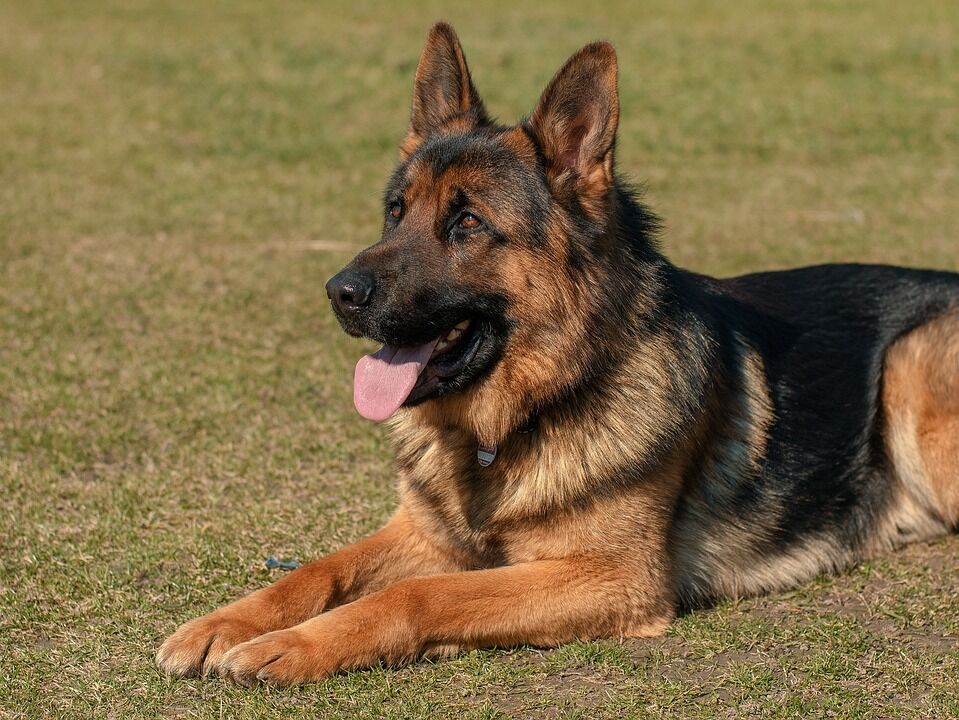
Discover the Loyal Heart: Care Tips for Romanian Carpathian Shepherds
The Romanian Carpathian Shepherd, a majestic breed known for its loyalty and courage, has captured the hearts of dog lovers globally. Originating from the Carpathian Mountains in Romania, these dogs were bred to protect livestock from predators, making them not only guardians but also trusted companions. With their impressive size, thick double coats, and profound intelligence, the Carpathian Shepherds are a blend of beauty and brains.
Overview of the Romanian Carpathian Shepherd
History:
The Romanian Carpathian Shepherd has a rich history that dates back centuries, primarily serving as a herding and guarding dog for sheep and cattle. Their history is deeply rooted in the pastoral lifestyles of Romania, where they developed into skilled protectors of livestock.
Temperament and Personality Traits:
Affectionately called “Ciobănesc Românesc Carpatin,” these dogs are known for their calm and stable demeanor. They are fiercely loyal to their families and possess a protective nature, making them excellent watchdogs. While they are alert and vigilant, they can also be quite affectionate with their family members, often forming strong bonds.
Grooming Needs:
The Romanian Carpathian Shepherd has a thick, double-layered coat that requires regular grooming to prevent matting and control shedding. Brushing them at least twice a week is recommended. During shedding seasons, you might need to up your grooming game to keep their coat healthy.
Health Considerations:
Generally, the Romanian Carpathian Shepherd is a robust breed; however, like all dogs, they may be prone to certain health issues such as hip dysplasia and progressive retinal atrophy. Regular check-ups with a veterinarian and maintaining a healthy diet are essential to their longevity and health.
Suitability for Different Households:
These dogs thrive in environments where they have plenty of space to roam and play. They are not recommended for apartment living unless the owner can commit to daily exercise and outdoor activities. Carpathian Shepherds do best in homes with a yard and a family that can dedicate time to their training and socialization needs.
Care and Training Tips
-
Training:
- Start training early to capitalize on their intelligence. Use positive reinforcement methods, rewarding good behavior with treats and praise.
- Socialization is crucial; expose them to various people, pets, and environments to develop a well-rounded dog.
-
Socialization:
- Introduce your Romanian Carpathian Shepherd to other pets and diverse settings from a young age to prevent shyness or aggression.
- Taking them to dog parks or engaging in obedience classes can significantly enhance their social skills.
-
Daily Exercise:
- These dogs are energetic and need plenty of physical activity. Aim for at least an hour of exercise daily—long walks, playtime, or agility training will keep them stimulated.
-
Mental Stimulation:
- Provide toys and puzzles to engage their minds. Training sessions, where they learn new tricks, are also a great way to challenge them mentally.
-
Proper Nutrition:
- Feed them a high-quality dog food appropriate for their age, size, and activity level. Always consult with your vet for dietary recommendations.
Understanding emotional support animals (ESA)
An emotional support animal (ESA) is a pet that provides comfort, companionship, and support to individuals facing emotional challenges such as anxiety, depression, and PTSD. Unlike service dogs, ESAs are not required to perform specific tasks, but their mere presence can have profound therapeutic effects.
Mental and Emotional Health Benefits of Having an ESA
Having an ESA can significantly improve an individual’s mental health. Pets like dogs and cats are known to reduce anxiety, support emotional well-being, and improve overall quality of life.
Real-Life Examples:
- Anxiety Reduction: A veteran suffering from PTSD found solace in his dog, who helped him navigate public spaces without panic. The dog’s calm presence allowed him to feel secure and less isolated.
- Companionship: A college student felt overwhelmed by the pressures of academia but found joy and comfort in her cat, who provided a sense of normalcy and stability in stressful times.
Key Information
- Breed Overview: The Romanian Carpathian Shepherd is a loyal and protective dog known for its herding abilities.
- Grooming Needs: Regular grooming is necessary to maintain their thick double coat.
- Health Considerations: Watch for hip dysplasia and retinal issues.
- Training and Socialization: Start early, use positive reinforcement, and expose them to varied environments.
- Emotional Support Animals: ESAs provide comfort and are beneficial for mental health.
How Dogs and Cats Provide Emotional Support
The bond between humans and their pets can be explained through various psychological theories. For example, interaction with dogs and cats triggers the release of oxytocin, often referred to as the “love hormone.” This hormone promotes feelings of trust and bonding.
Moreover, having a pet encourages routine and responsibility, which can be beneficial for mental health. Pets also offer unconditional love, reducing feelings of loneliness and improving mood. Their non-judgmental nature allows individuals to express emotions freely, providing a safe haven for stress relief and emotional expression.
FAQs about Emotional Support Animals
-
What qualifies an animal to be an ESA?
- Any pet can be an ESA, provided they offer comfort to their owner. However, obtaining proper documentation from a licensed mental health professional is essential.
-
Can an ESA be denied access to housing?
- Under the Fair Housing Act, ESAs cannot be discriminated against in housing. However, you must provide appropriate documentation.
-
Do ESAs require special training?
- No specific training is required for ESAs, but basic obedience training is beneficial for good behavior.
-
Can I take my ESA anywhere?
- ESAs do not have the same access rights as service animals. While they can’t enter places like restaurants or shops without permission, they do have housing rights.
-
How do I get my pet certified as an ESA?
- You can connect with licensed mental health professionals through platforms like Veripaw.org, which assist with the certification process.
Conclusion
If you’re considering welcoming a Romanian Carpathian Shepherd into your home or already own one, understanding their needs and temperament is crucial for fostering a loving bond. Furthermore, if you’re navigating emotional challenges, designating your pet as an Emotional Support Animal can enhance your mental well-being. Explore the many benefits of having a furry friend by your side.
For those interested in certifying your pet as an ESA, consider visiting Veripaw.org. Since 2012, Veripaw has been a trusted resource helping pet owners connect with licensed mental health professionals, obtain ESA documentation, and access quality pet accessories. Don’t wait—start your journey to emotional support today!

