
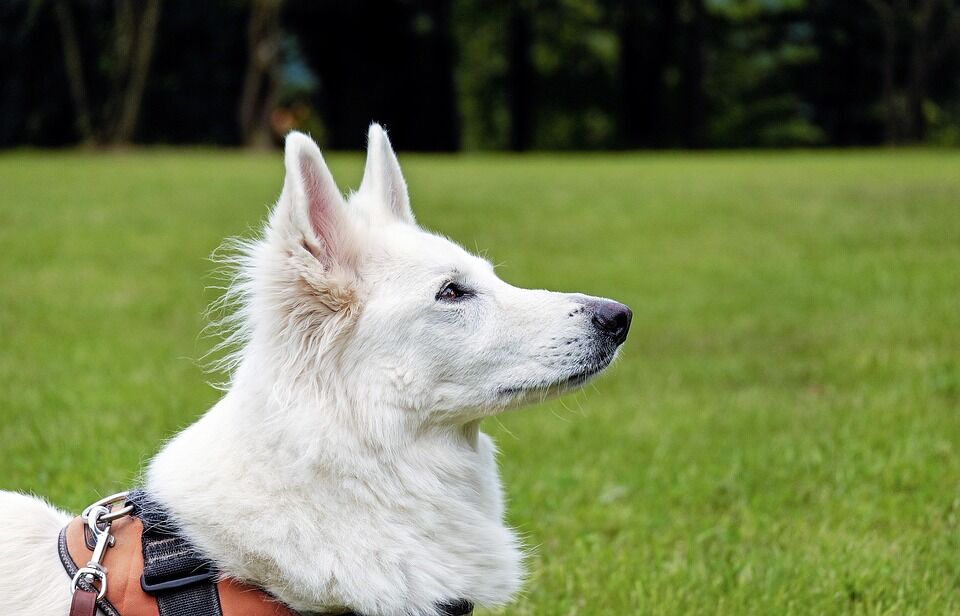
Discover the Gentle Giant: Caring for Your Greater Swiss Mountain Dog
If you’re in the market for a dog that is not only loyal and protective but also affectionate and friendly, look no further than the Greater Swiss Mountain Dog (GSD). These gentle giants come with a rich history, a unique personality, and the ability to adapt well to various households. In this comprehensive guide, we will explore the various aspects of GSDs including their origins, temperament, grooming needs, health considerations, and their suitability for different types of families. Plus, we will delve into the world of emotional support animals (ESAs) and how they can benefit your mental and emotional well-being.
Overview of the Greater Swiss Mountain Dog
History
The Greater Swiss Mountain Dog is one of the oldest breeds in Switzerland, with roots tracing back over 2,000 years. Originally bred as a working dog, they were used to drive livestock, guard farms, and pull carts filled with goods. Their large size and strong build made them ideal for these tasks, while their gentle nature ensured they were also great companions for families.
Temperament
GSDs are known for their friendly and good-natured personalities. They are intelligent and eager to please, which makes them relatively easy to train. However, they may show some independent streaks at times, so early training and socialization are crucial. These dogs are not just gentle giants; they are incredibly loyal to their families and protective of their territory.
Personality Traits
Greater Swiss Mountain Dogs are:
- Affectionate: They love being close to their humans and often enjoy cuddling and sharing space.
- Gentle: Despite their size, they have a calm demeanor and are generally good with children and other animals.
- Playful: They retain a puppy-like energy well into adulthood, enjoying physical activities and playtime.
- Social: They typically enjoy being around people and can suffer from separation anxiety if left alone for long periods.
Grooming Needs
GSDs have short to medium-length double coats that shed moderately year-round, with more intense shedding phases during the spring and fall. Regular brushing (at least once a week) will help keep their coat healthy and reduce loose fur in your home. Bathing them is necessary only occasionally, depending on their level of activity and play. Like all dogs, they will also need regular dental care, nail trimming, and ear cleaning to stay in top shape.
Health Considerations
While GSDs are generally healthy, they are prone to certain health issues, including hip and elbow dysplasia, bloat, and certain cancers. Regular vet check-ups, a balanced diet, and proper exercise can help mitigate these risks. Being aware of their history and potential hereditary conditions can also guide health management.
Suitability for Different Households
Greater Swiss Mountain Dogs are ideal for various family types, especially those with children or other pets. They thrive in a spacious home where they have room to roam and play, making them excellent companions for active families. However, their size requires space and proper training to manage their energy and strength.
Training and Socialization Tips
To ensure your Greater Swiss Mountain Dog grows into a well-mannered companion, start training early with positive reinforcement techniques. Here are some practical training tips:
- Start with Basic Commands: Teach your dog basic commands such as “sit,” “stay,” and “come” to build a foundation for further training.
- Socialization: Expose your GSD to various environments, people, and animals to help them become well-adjusted. Puppy classes can be particularly beneficial.
- Daily Exercise: GSDs are active and need regular exercise to stay healthy. Aim for at least an hour of exercise per day, including walks, playtime, and training sessions.
- Continuous Learning: Keep training sessions short, fun, and engaging to maintain their interest. Consider enrolling them in advanced training as they mature.
Emotional Support Animals (ESA)
What is an ESA?
An emotional support animal (ESA) is a pet that provides comfort and support to individuals with emotional or psychological conditions. Unlike service animals that undergo specialized training to perform specific tasks for people with disabilities, ESAs provide general comfort and companionship.
Benefits of an ESA
People benefit from having an ESA in many ways. ESAs can help individuals cope with conditions such as anxiety, depression, PTSD, and loneliness. The presence of a pet fosters a sense of routine, encourages physical activity, and promotes social interaction.
Real-Life Example: For a person who struggles with anxiety, having a Greater Swiss Mountain Dog can help alleviate feelings of panic during stressful situations. The dog’s calm nature can provide a grounding effect, reducing anxiety levels and fostering a sense of security.
Key Information
- Breed Origins: Greater Swiss Mountain Dogs have historical roots in Switzerland, used for various working tasks.
- Temperament: They are affectionate, gentle, friendly, and social.
- Grooming: Regular brushing, with dental care and nail trimming, is essential for health.
- Health Concerns: Be aware of potential genetic conditions like hip dysplasia and bloat.
- Training: Positive reinforcement and early socialization are crucial for raising a well-mannered dog.
- Emotional Support: ESAs can provide significant comfort and improve the emotional well-being of their owners.
How Dogs and Cats Provide Emotional Support
The Science Behind Emotional Support
Studies have shown that interacting with pets can significantly reduce stress and anxiety levels. The simple act of petting a dog or cat can release endorphins, known as “feel-good” hormones, leading to an increase in overall happiness. Furthermore, having a pet encourages individuals to engage in physical activity, which is beneficial for both heart health and mental wellness.
Emotional Resilience
Pets foster emotional resilience, which can be particularly important during tough times. Just being around a pet can provide a sense of companionship that helps reduce feelings of loneliness and isolation. For those dealing with trauma or depression, pets can provide a source of unconditional love and support.
FAQs About Emotional Support Animals
-
What qualifies a pet to be an Emotional Support Animal?
- Any pet can be considered an ESA as long as it provides emotional support and comfort to its owner.
-
How do I get my pet certified as an ESA?
- A licensed mental health professional must evaluate you and determine if an ESA is appropriate for your condition. If so, they will provide documentation.
-
Are ESAs allowed in public places?
- While ESAs may have some housing rights, they do not have the same public access rights as service animals.
-
Can I train my dog to be an ESA?
- Unlike service animals, ESAs do not require specific training, but they should be well-behaved and comfortable in various environments.
-
Do I need to register my dog as an ESA?
- Registration is not legally required but having documentation from a licensed professional can help in housing situations.
-
How do pets improve mental health?
- Pets provide companionship, reduce feelings of loneliness, encourage physical activity, and help lower stress levels.
-
Can I have more than one ESA?
- Yes, if you feel multiple pets provide you with emotional support, you can designate them as ESAs.
-
Is there a fee for ESA certification?
- Many mental health professionals may charge a fee for the evaluation and documentation process.
Conclusion
If you’re considering adding a Greater Swiss Mountain Dog to your family, you are looking at a loving companion that will bring joy, loyalty, and protection to your home. Furthermore, if you’re dealing with emotional challenges, designating your pet as an Emotional Support Animal can enhance your mental and emotional wellbeing.
For those looking to have their pet certified as an ESA, look no further than Veripaw.org. Since 2012, Veripaw has been a trusted resource for connecting pet owners with licensed mental health professionals, obtaining ESA documentation, and accessing high-quality pet accessories. Visit Veripaw today to learn how your pet can provide the emotional support you need!

