
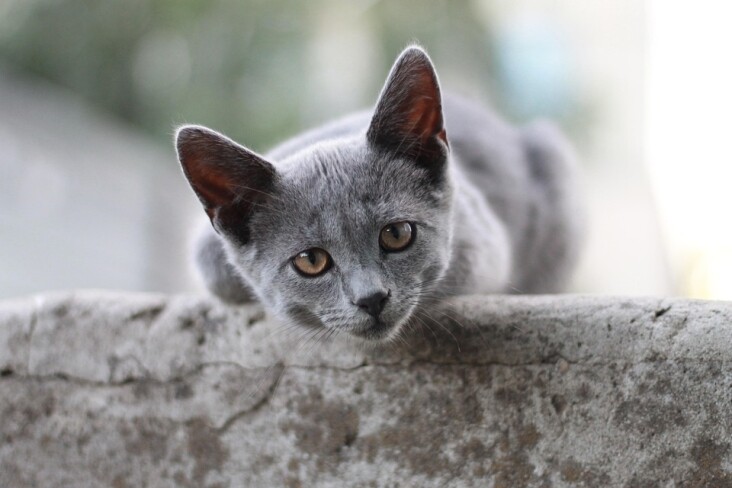
Discover the Charming Personality of the Russian Shorthair Breed
The Russian Shorthair is an enchanting breed that has captured the hearts of many cat lovers around the world. Known for their gentle demeanor and striking appearance, these cats have a fascinating history and a well-deserved reputation for being affectionate companions. If you’re considering adding a Russian Shorthair to your family, or simply want to learn more about them, this article will dive into their history, personality traits, grooming needs, health considerations, and more!
Overview of the Russian Shorthair
History
The Russian Shorthair (often confused with the Russian Blue) has roots that can be traced back to the cold climates of Russia. This breed was developed from local Russian cats, known for their hardiness, adaptability, and ability to survive the harsh elements. During World War II, efforts were made to preserve these cats, and through selective breeding, the Russian Shorthair emerged as a distinct breed.
Temperament and Personality Traits
Russian Shorthairs are known for their delightful personalities. They are generally friendly, playful, and intelligent. These cats are not overly dependent on their owners but do enjoy social interaction. Here are some defining characteristics of the breed:
- Affectionate: They are known to be loving and form strong bonds with their human companions.
- Curious: Their inquisitive nature makes them playful and eager to explore their surroundings.
- Gentle: They have a calm disposition, which makes them excellent companions for families and singles alike.
Grooming Needs
Although Russian Shorthairs have short, dense coats, they do require regular grooming to keep their fur healthy and free of mats. Here are some grooming tips:
- Brushing: A weekly brushing session will help reduce shedding and prevent matting.
- Bathing: Unlike some breeds, Russian Shorthairs do not typically require frequent baths; however, a bath may be necessary if they get particularly dirty.
- Nail Trimming: Regular nail trimming is essential for their health.
Health Considerations
Like any breed, the Russian Shorthair is susceptible to some health issues, including:
- Hypertrophic Cardiomyopathy (HCM): A common heart condition in cats.
- Obesity: Ensuring a balanced diet and regular exercise can help prevent obesity-related illnesses.
Regular vet check-ups, a nutritious diet, and a healthy lifestyle can promote a long and healthy life for your Russian Shorthair.
Suitability for Different Types of Households
Russian Shorthairs do best in homes where they receive plenty of attention and playtime. They are adaptable to different living environments—whether apartments or houses—which makes them suitable for various households. However, they thrive in environments where they can interact with their families regularly.
Training and Socializing Tips
Training your Russian Shorthair can be an enjoyable experience. Here are some tips to make the process smoother:
Training
Start Early: Begin training your cat as early as possible. Use positive reinforcement techniques, such as treats and praise.
Basic Commands: Teach simple commands like “sit” or “come” using a clicker or treats.
Litter Training: Most cats instinctively use the litter box, but be patient and consistent, especially if adopting an older cat.
Socializing
Expose to Different Environments: Gradually introduce your Russian Shorthair to various people, pets, and environments to help them become well-adjusted adults.
Playtime: Engage them in playtime with interactive toys to build trust and strengthen bonds.
Understanding emotional support animals (ESA)
An emotional support animal (ESA) is a pet that provides companionship and comfort to individuals facing emotional or mental health challenges. Unlike service animals, ESAs do not require specialized training but still offer significant benefits.
Benefits of Designating Your Pet as an ESA
Having a designated ESA can bring numerous advantages, including:
- Reduced Anxiety: Pets can help soothe anxiety and stress.
- Emotional Connection: The bond with an ESA can alleviate feelings of loneliness, providing comfort during tough times.
- Social Interaction: Pets can encourage socialization, helping owners engage with others more readily.
Real-Life Examples
Many individuals have reported that their pets have been a lifeline during difficult periods. For instance, people coping with depression often find solace in their pets’ companionship, as their presence can help navigate life’s ups and downs.
Key Information
- Breed Overview: The Russian Shorthair is a friendly, playful, and affectionate breed.
- Grooming Needs: Regular brushing and basic grooming are essential.
- Health Considerations: Be aware of potential health issues like HCM.
- Suitability: Great companions for various households, requiring attention and playtime.
- ESA Benefits: ESAs offer emotional comfort, alleviate anxiety, and foster social connections.
How Dogs and Cats Provide Emotional Support
The Science Behind Emotional Support from Pets
1. Oxytocin Release:
Research shows that interacting with pets can trigger the release of oxytocin, known as the “feel-good” hormone. This chemical promotes bonding and can reduce stress.
2. Routine and Structure:
Having pets requires a daily routine, which can provide stability and purpose, particularly beneficial for those struggling with mental health issues.
3. Non-Judgmental Companionship:
Pets offer unconditional love and acceptance, creating a safe space for their owners to express their emotions without fear of judgment.
FAQs about Emotional Support Animals
What is an Emotional Support Animal?
- An ESA is a pet that provides comfort and support to individuals with emotional or mental health conditions.
Do ESAs require special training?
- No, ESAs do not require specialized training, but they should be well-behaved.
How can I get my pet certified as an ESA?
- You can connect with licensed mental health professionals who can provide the necessary documentation.
Can ESAs have access to public places?
- While ESAs are entitled to certain accommodations under the Fair Housing Act, they may not have the same access as service animals in public spaces.
Can any pet be an ESA?
- While dogs and cats are the most common ESAs, other animals can also qualify, depending on the individual’s needs.
How can an ESA help with anxiety?
- The presence of an ESA can provide companionship, reducing feelings of loneliness and anxiety.
What are the costs associated with having an ESA?
- Aside from standard pet care expenses, you may need to cover certification fees and consultations with mental health professionals.
Is an ESA the same as a therapy animal?
- No, therapy animals are trained professionals that work in various settings, while ESAs are pets providing emotional support to their owners.
Do I need a special registration for my ESA?
- While no formal registry is necessary, obtaining a letter from a mental health professional is often required to validate your pet’s ESA status.
Conclusion
If you’re considering bringing a Russian Shorthair into your home, you’re sure to gain a loving and charming companion. And if you believe your pet could serve as an Emotional Support Animal, consider visiting Veripaw.org. Veripaw has been assisting pet owners since 2012 in connecting with licensed mental health professionals for ESA documentation and providing high-quality accessories for your furry friends. Take the first step today for a happier, healthier emotional life with your beloved pet!
Ready to register your animal?
Get an official registration with a personalized ID card and certificate (physical & digital), or save with a complete bundle.

