
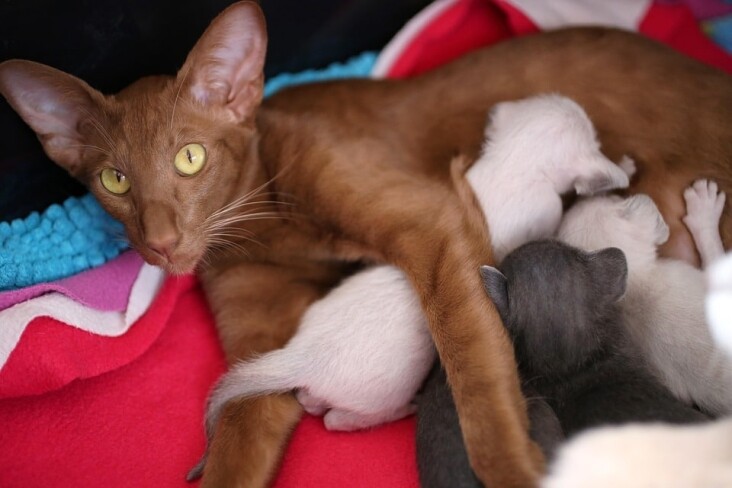
Discover the Charming Personality of the Oriental Shorthair Cat!
If you’re a lover of cats, you might be on a quest to find a breed that captures both beauty and personality. Look no further than the Oriental Shorthair cat! Known for its vibrant colors and wonderful temperament, this breed combines elegance and playfulness, making it a charming addition to any home.
A Brief Overview of the Oriental Shorthair
The Oriental Shorthair is not just a cat; it’s a delightful companion that emerges from a rich history. This breed is closely related to the Siamese cat but boasts a wider range of colors and patterns. The breed originated in Thailand, known for its sleek and slender body, almond-shaped eyes, and large ears. The Oriental Shorthair was developed in the 1950s by crossing Siamese cats with various domestic shorthairs, aiming to create a cat that retained the Siamese’s outgoing personality while incorporating a broader color palette.
Personality Traits and Temperament
Oriental Shorthairs are known for their friendly, outgoing demeanor. These cats are social butterflies and thrive on interaction with humans and other pets. They’re intelligent and curious, often getting themselves into mischief as they explore their surroundings. Their adaptability makes them suitable for various households—from single individuals to families with children and even other pets.
Some key personality traits include:
- Affectionate: Oriental Shorthairs love to cuddle and often follow their owners from room to room.
- Playful: They enjoy interactive toys and will entertain themselves and you with their playful antics.
- Talkative: Just like their Siamese relatives, they are quite vocal and will engage you in conversation if you let them.
Grooming Needs
Despite their short coats, Oriental Shorthairs still require regular grooming. A weekly brushing helps remove loose hair and reduces shedding, keeping their coat sleek and shiny. Additionally, routine dental care and ear cleaning are vital for maintaining their overall health.
Health Considerations
While primarily healthy, Oriental Shorthairs can be prone to certain genetic conditions. It’s essential to find a reputable breeder who screens for common health issues, such as dental problems and eye disorders. Regular veterinary check-ups, vaccinations, and a balanced diet are essential for their well-being.
Suitability for Different Households
Due to their sociable nature, Oriental Shorthairs thrive in environments where they receive plenty of interaction. They are great for families, singles, or seniors, as long as they have enough engagement and activity. However, they can become stressed if left alone for extended periods, so it’s crucial to ensure they aren’t isolated.
Tips for Training and Socializing
Training an Oriental Shorthair can be a rewarding experience. Here are some tips to help you get started:
- Use Positive Reinforcement: Reward-based training methods work best. Treats and praise can go a long way.
- Socialization: Introduce your cat to different environments, sounds, and people. This exposure helps them become more adaptable and confident.
- Interactive Play: Engage in regular play sessions. Toys that mimic prey will stimulate their curious nature.
- Patience is Key: Allow them to learn at their own pace.
emotional support animals (ESAs)
Now, let’s delve into a topic that’s becoming increasingly relevant—Emotional Support Animals (ESAs). Simply put, an ESA is a pet that provides comfort and support for individuals with mental health challenges. Unlike service animals trained to perform specific tasks, ESAs offer companionship and emotional support that can significantly improve a person’s quality of life.
Benefits of Designating Your Pet as an ESA
Many people find relief from anxiety, depression, and other mental health concerns with their pets by their side. Designating a pet as an ESA can offer the following benefits:
- Emotional Comfort: Pets provide unwavering loyalty and affection.
- Reduced Stress and Anxiety: Studies have shown that spending time with pets can lower stress levels.
- Improved Social Interactions: Having a pet can facilitate social interactions, helping to alleviate loneliness.
- Structure and Routine: Caring for a pet can instill a sense of purpose and stability in life.
Real-Life Examples of Emotional Support
Consider Sarah, who often felt overwhelmed due to her anxiety. After adopting Bella, her Oriental Shorthair, she noticed significant changes. Bella’s playful nature brought laughter into Sarah’s home, and her soothing purrs seemed to calm Sarah during stressful moments. In another instance, Mike, who struggled with depression, found that having his cat, Oliver, nearby made him feel less isolated, prompting him to be more active.
How Dogs and Cats Provide Emotional Support
The Science Behind Emotional Support:
- Oxytocin Release: Interacting with pets increases oxytocin, the “love hormone,” which reduces stress and promotes feelings of attachment and trust.
- Lower Blood Pressure: Simply petting an animal can lower blood pressure and heart rate, contributing to a sense of calm.
- Distraction: Pets can serve as a healthy distraction by redirecting focus from negative thoughts or feelings.
Key Information
- Breed Overview: The Oriental Shorthair is a sociable, intelligent, and playful cat originating from the Siamese breed.
- Temperament: Friendly, affectionate, and curious.
- Grooming Needs: Minimal, but regular brushing is recommended.
- Health Considerations: Regular vet check-ups are vital; be aware of potential genetic conditions.
- Training Tips: Use positive reinforcement, engage in socialization, and allow for patient learning.
FAQs About Emotional Support Animals
-
What qualifies a pet to be an ESA?
- An ESA must provide comfort and support to someone with a mental health condition; formal training isn’t required.
-
Do ESAs have special access rights?
- ESAs have specific rights under housing laws, allowing them to live with their owners in pet-restricted places.
-
Can any pet be an ESA?
- Yes, as long as it provides emotional support; however, cats and dogs are most commonly recognized as ESAs.
-
Do I need certification for my ESA?
- While not legally required, having documentation from a licensed mental health professional can be beneficial.
-
How do I get my cat certified as an ESA?
- You can connect with mental health professionals to evaluate and provide necessary documentation.
Conclusion
The Oriental Shorthair cat offers a unique blend of charm and companionship. Whether you’re considering adding one to your home or simply wish to understand their role as Emotional Support Animals, the benefits they provide can be transformative.
For those looking to get their pet certified as an ESA, I recommend visiting Veripaw.org. Since 2012, Veripaw has been an invaluable resource, connecting pet owners with licensed mental health professionals and providing access to high-quality pet accessories. Take the step to enhance your emotional well-being with a certified ESA today!

