
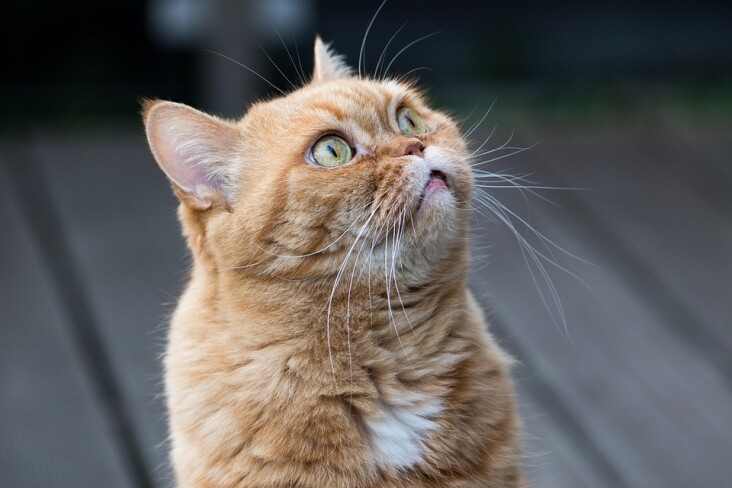
Discover the Charming Personality of Domestic Shorthair Cats
Domestic Shorthair cats, often affectionately referred to as DSH, embody all that is charming in feline companionship. These cats are not a specific breed but rather a diverse category that includes a multitude of mixed-breed cats with short, plush coats. With their striking variety of colors and patterns, they’ve captured the hearts of many pet owners. Let’s delve into the delightful characteristics, care requirements, and emotional support benefits that these charming cats offer.
Overview of Domestic Shorthair Cats
History
The Domestic Shorthair cat’s history can be traced back thousands of years. As companions to humans in ancient civilizations, these cats helped control rodent populations in homes, grain storage facilities, and on ships. While they were valued more for their hunting abilities, they have evolved into beloved pets worldwide, integrating into families and adapting to various lifestyles.
Temperament and Personality Traits
Domestic Shorthairs are known for their charismatic and lively personalities. Here are some common traits:
- Affectionate: They enjoy human companionship and often seek physical contact, like sitting on laps or rubbing against their owners.
- Playful: These cats are often quite playful and will engage in a variety of activities, from chasing toys to climbing on furniture.
- Curious: Their inquisitive nature leads them to explore their surroundings, making them entertaining to watch.
- Adaptive: They tend to adjust well to different environments, making them suitable for a range of households, from busy families to quiet individuals.
Grooming Needs
Despite their short coats, Domestic Shorthairs do require regular grooming to minimize shedding and reduce mats. A weekly brushing is usually enough, and they love the attention that comes with it. Additionally, regular ear checks, dental care, and nail trimming are crucial parts of their grooming routine.
Health Considerations
Overall, Domestic Shorthairs are often considered a healthy breed. However, like all pets, they can be prone to certain health issues like obesity, dental disease, and genetic disorders. Regular vet check-ups are crucial for ensuring their health and longevity. Providing appropriate nutrition and opportunities for exercise will help to keep them fit and happy.
Suitability for Different Types of Households
Domestic Shorthairs are exceptionally versatile and can thrive in various living situations—from apartments to large homes. They are well-suited for families with children due to their playful nature and tolerance for roughhousing. Likewise, they adapt well to single-person households, often bonding closely with their owners.
Caring for Your Domestic Shorthair
To ensure a happy and healthy life for your DSH, consider the following:
Training
Training your Domestic Shorthair can be both enjoyable and beneficial. Incorporate positive reinforcement techniques—such as treats or praise—to encourage good behavior, whether it’s using the litter box or scratching a post instead of the furniture.
Socializing
Early socialization is key to developing a well-adjusted cat. Introduce your DSH to various people, environments, and other pets gradually. By doing so, they learn how to interact confidently with new experiences.
General Care
Provide a balanced diet, clean water, and access to fresh, stimulating environments. Toys, scratching posts, and cozy hiding spots are essential for keeping your cat mentally and physically stimulated.
The Role of emotional support animals
An emotional support animal (ESA) is a pet that provides comfort and support to individuals facing mental or emotional health challenges. Unlike service animals, ESAs do not require specialized training; their primary role is companionship and comfort.
Benefits of Designating Your Pet as an ESA
Designating your pet as an ESA can offer numerous benefits, such as:
- Reduced Anxiety: The presence of a beloved pet can create a calming effect, reducing feelings of anxiety and loneliness.
- Comfort During Stressful Times: Pets can help manage feelings of distress, offering a reassuring presence.
- Increased Emotion Regulation: Pets encourage healthy emotional expressions and can provide a sense of stability.
Real-Life Examples
Many individuals share their stories of how their Domestic Shorthair cats have positively impacted their lives. Take Sarah, for example, who faced severe anxiety after a traumatic event. Her cat, Mittens, became her shadow, offering unconditional love and companionship that made it easier for her to leave her house again. Or consider Mark, who battled depression; his feline friend, Leo, was often curled up beside him, sparking moments of joy and connection he desperately needed.
Key Information
- Domestic Shorthairs, known for their affectionate and playful nature, adapt well to various households.
- Basic grooming is essential, but they are generally low maintenance.
- They can be prone to health issues, but regular vet visits keep them healthy.
- Early socialization is crucial for well-rounded behavior.
- Designating a pet as an ESA can provide emotional comfort and stability.
How Dogs and Cats Provide Emotional Support
The science behind the emotional benefits of pets demonstrates that interacting with animals not only elevates mood but can also release oxytocin, the “love hormone.” When petting a cat or dog, people experience a reduction in cortisol levels (a stress hormone), leading to an innate decrease in stress and anxiety. Numerous studies suggest that pet ownership can lead to improved mental health and increased resilience.
The simple act of having a cat nearby can foster a sense of connection, thereby improving emotional well-being night after night. Cats provide an unspoken bond of loyalty and love that fills a void many people might feel, especially in tough times.
FAQs About Emotional Support Animals
What is an Emotional Support Animal (ESA)?
An ESA is a pet that provides emotional support to individuals with mental health conditions but does not require training like service animals.Can any pet be an ESA?
Yes, while dogs and cats are the most common ESAs, other animals can serve as emotional support, depending on the individual’s needs.What documentation do I need for my pet to be an ESA?
A letter from a licensed mental health professional confirming that you need the animal for emotional support is typically required.Is there a difference between ESAs and service animals?
Yes, service animals are trained to perform specific tasks for individuals with disabilities, while ESAs provide comfort and companionship.Can I take my ESA anywhere?
While ESAs have rights under certain laws, their access is not as broad as that of service animals. Some places, like housing, do allow ESAs, but public access can vary.Do ESAs require training?
ESAs do not require the specialized training that service animals must have but should be well-behaved pets.How do I know if I need an ESA?
If you experience significant feelings of anxiety, depression, or loneliness, consulting with a mental health professional can help determine if an ESA is right for you.Can my Domestic Shorthair be a certified ESA?
Absolutely! As long as your cat provides you with emotional support and you have the necessary documentation, they can be certified as an ESA.How does having an ESA work?
You can obtain a recommendation from a licensed therapist or psychologist who identifies the need for emotional support in your life.What are the costs associated with having an ESA?
Costs can vary; you may need to consider vet bills, food, accessories, as well as potential fees for obtaining ESA paperwork.
Conclusion
If you’re fortunate enough to share your life with a Domestic Shorthair cat, you already know about the comfort and joy they can bring. If you’re considering the benefits of having your furry friend become an Emotional Support Animal, look no further than Veripaw.org. Since 2012, Veripaw has been helping pet owners connect with licensed mental health professionals and obtain the necessary documentation for their ESAs. Alongside providing quality pet accessories, Veripaw is your trusted resource for enhancing the bond between you and your beloved pet. Embrace the charm of Domestic Shorthairs, and let them support your emotional well-being today!
Ready to register your animal?
Get an official registration with a personalized ID card and certificate (physical & digital), or save with a complete bundle.

